
Original briefings. Zero spin.
Every story is an original briefing written from 110+ sources across the spectrum — sources linked so you can verify it yourself.
 economy
Notable (6/10)
September 5, 2026 at 08:36 AM
economy
Notable (6/10)
September 5, 2026 at 08:36 AM
UK Chancellor Warns October Budget Will Be Tough as Iran War Squeezes Economy, Reform UK Pitches £108 Billion in Cuts
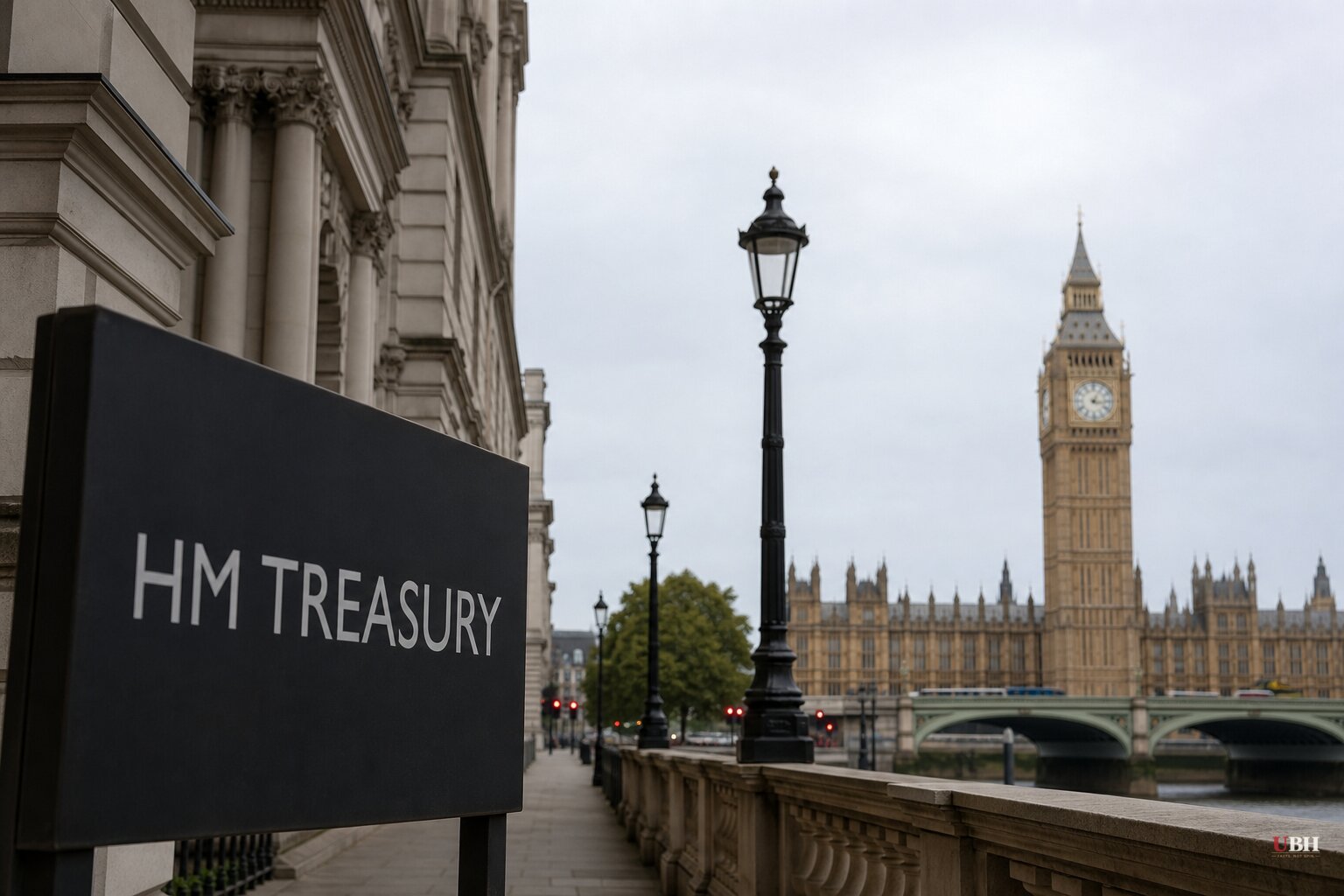
More than six months after the US-Iran war opened with strikes on February 28, and a day after Washington, London, Paris and Berlin pushed to refer Iran's nuclear file to the UN Security Council for the first time in 20 years, the conflict's economic fallout has landed on the UK Treasury.
Chancellor John Healey told the Financial Times this week that his first autumn Budget, scheduled for October 28, will be a tough one. He linked the strain directly to the war Donald Trump is waging against Iran.
"What's happening in the Middle East is hitting inflation, it's hitting growth, it's hitting borrowing costs," Healey said, according to The Independent. "It's part of a more dangerous world that is more uncertain and it's one of the challenges we have to meet in this country, but have to meet with other countries."
The warning followed a sharp jump in UK government borrowing earlier this week, which The Independent reported reflects lender anxiety over the inflationary effects of the war. Healey said he'd protect a "buffer against uncertainty" so the Budget meets the Treasury's rule of reaching surplus, excluding investment, by the end of this Parliament. He declined to tell the FT exactly how large that buffer will be.
Defense Spending Gets Vague
Healey, who resigned as defence secretary before becoming Chancellor, previously argued that hitting 3% of GDP on defence by 2030 was vital to national security. He would not recommit to that figure to the FT. Instead he pointed to the UK's NATO commitment of 3.5% of GDP by 2035, saying details will come in next year's spending review. Conservatives have criticized the retreat from the 2030 target.
Healey also announced a change to the Treasury's "Green Book," the guide used to judge the costs and benefits of government projects. Lowering the discount rate from 3.5% to 3% will make it easier to justify long-term spending on schools, roads and regional regeneration. Healey is due to give a fuller economic speech Monday.
Reform UK's Counter-Offer
The borrowing spike also exposed a political vulnerability for new Prime Minister Andy Burnham. Breitbart reported that Burnham was unable to name any spending cuts during his first Prime Minister's Questions as UK borrowing costs hit a three-decade high.
Reform UK's shadow chancellor, Robert Jenrick, stepped into that gap with a plan to cut £108 billion from the budget within Reform's first 100 days in office if elected. Jenrick told The Telegraph the plan includes £50 billion from welfare, £20-30 billion from what he called "leftist projects like net zero and foreign aid" plus civil-service reductions, and £28 billion from lower debt-interest costs.
"Andy Burnham said we did not need to be in hock to the bond markets but that is precisely where he has found himself in a matter of weeks," Jenrick said. He has separately proposed barring settled EU citizens and other foreign nationals from British welfare rolls, a change Reform says would save £21 billion a year by 2029, and requiring the long-term unemployed to work on government projects to keep benefits.
Whoever is right about the fix, the underlying pressure Healey cited is real and outside London's control. An active war between the US and Iran is one both the Chancellor and financial markets are pricing as an ongoing risk, not a resolved one.
The War Itself Isn't Cooling Off
Fox News reported this week that an oil tanker was attacked in the Strait of Hormuz, a waterway that handled roughly one-fifth of global oil and LNG shipments before the war began. Axios, citing US officials, reported that Secretary of State Marco Rubio has told foreign counterparts Washington's current posture (no further strikes unless Iran attacks first) will hold "for the time being." A second official told Axios that posture could remain until after the midterm elections. Secretary of War Pete Hegseth said Monday he isn't ruling out renewed strikes, according to The Associated Press.
Treasury Secretary Scott Bessent this week rolled out what he called an "economic onslaught" of new sanctions targeting Iran's financial connections, a push Bloomberg reported could cost Turkey a major energy source if expanded. Oil prices dipped in early Wednesday trading, with West Texas Intermediate falling to $80.99 a barrel, its lowest since August 13, as talks between Iran and Oman raised hope the strait could reopen, according to Reuters.
The US Navy has also warned personnel, including sailors aboard the USS Abraham Lincoln returning from a roughly nine-month Middle East deployment, to scrub military details from social media after reports of hostile surveillance and attacks against US troops abroad.
None of that resolves the question hanging over Healey's Budget: how much of a buffer is enough when the war driving up borrowing costs shows no clear end date, and Washington itself says its next move depends on whether Iran strikes first.
Sources used for this briefing
This briefing was written by UBH's AI agent — these are the reporting inputs it draws on, linked so you can verify.


