
Unbiased headlines. Facts, not spin.
Every story is an unbiased news briefing written from 110+ sources across the spectrum — sources linked so you can verify it yourself.
 defense
Notable (5/10)
July 3, 2026 at 10:42 AM
defense
Notable (5/10)
July 3, 2026 at 10:42 AM
Federal Indictment Charges 10 in Los Angeles Human Trafficking Operation Targeting Figueroa Corridor
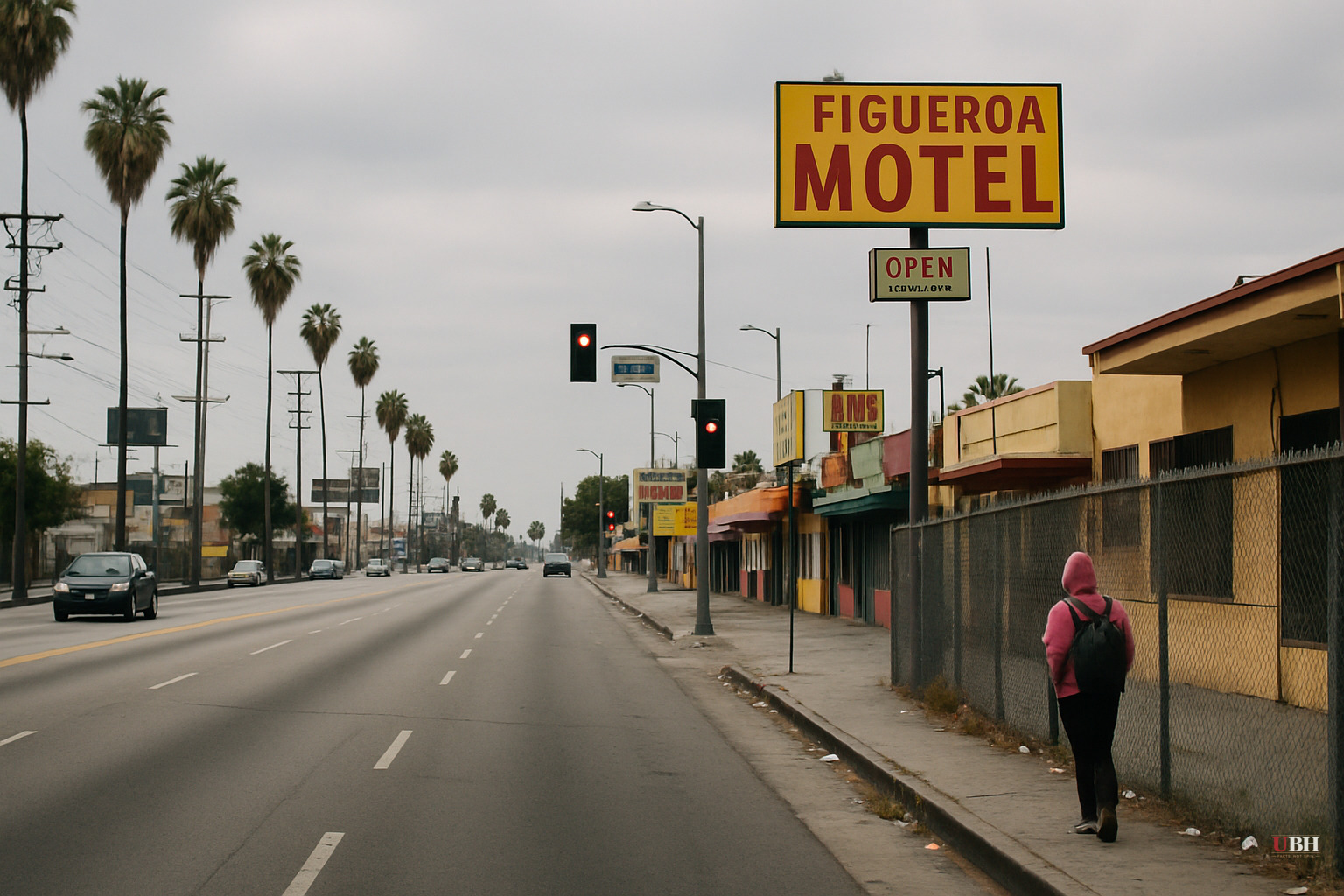
Ten Arrested, 51 Alleged Victims Named
Federal prosecutors unsealed a 65-count superseding indictment on July 1 targeting what they describe as a sustained sex trafficking operation along South Los Angeles' Figueroa Corridor. Ten defendants are now in custody. Nine were arrested on July 1; a tenth was taken into custody on June 29, according to the U.S. Attorney's Office for the Central District of California.
The indictment, returned by a grand jury on June 25, names 51 alleged victims, including minors.
The operation was a joint effort involving Homeland Security Investigations, the Los Angeles Police Department, and IRS Criminal Investigation.
The Hoover Criminal Gang Connection
Prosecutors allege that members and associates of the Hoover Criminal Gang (HCG) controlled a significant share of sex trafficking and prostitution activity along the Figueroa Corridor from February 2021 through June 2026. Six of the newly charged defendants are alleged HCG members or associates.
Charges against them include racketeering conspiracy, sex trafficking of minors, sex trafficking through force, fraud, or coercion, drug trafficking conspiracy, and money laundering.
The indictment also charges Mukeshkumar Rambhai Ahir, 45, identified as the manager of the Stadium Inn, a motel the government alleges was used to facilitate trafficking activity in the corridor.
What Prosecutors Said
U.S. Attorney Bill Essayli did not soften his language at the July 1 announcement. "Sex trafficking of young women and children ranks among the worst criminal offenses our office prosecutes — truly the lowest of the low," he said, according to The Epoch Times.
Essayli added that officials hope the arrests will "break the cycle of crime and abuse in one of L.A.'s most notorious human trafficking corridors."
LAPD Chief Jim McDonnell and Kenny Cooper, Special Agent in Charge of the Bureau of Alcohol, Tobacco, Firearms, and Explosives' Los Angeles Field Division, appeared alongside Essayli.
Second Federal Operation in Under a Year
Prosecutors described this as the second large federal operation targeting the Figueroa Corridor in less than 12 months. One sweep was not enough to shut the operation down, and federal and local agencies view the corridor as a persistent, organized problem rather than a scattered street-level issue.
The corridor has a long public record as a site of street prostitution and trafficking. Prior local enforcement efforts produced arrests but not the kind of sustained disruption that prosecutors say they are now pursuing through federal racketeering charges, which carry significantly heavier penalties and allow prosecutors to target entire criminal organizations rather than individual acts.
The Strongest Counterargument
Critics of aggressive federal trafficking operations, including some civil liberties advocates and sex worker rights groups, argue that large sting operations frequently conflate consensual adult sex work with coerced trafficking. The people most harmed by sweeps are often the victims themselves, who face arrest, deportation risk, or displacement.
In this case, the indictment specifically alleges force, fraud, coercion, and the trafficking of minors — categories where there is no consent argument to be made. The 65-count superseding indictment and the identification of 51 named alleged victims suggest prosecutors have a substantial evidentiary basis, not simply a street-level vice sweep repackaged as trafficking. The racketeering and money laundering charges indicate prosecutors are targeting an organized criminal structure, not individuals. That does not make every charge in the indictment automatically proven — these remain allegations until adjudicated — but the scope and specificity distinguish this from a blunt anti-prostitution operation.
What Comes Next
All charges in the indictment are allegations. None of the defendants have been convicted. The case will proceed through the federal court system for the Central District of California.
Whether federal prosecution of the HCG's alleged leadership will actually disrupt trafficking along the Figueroa Corridor long-term remains uncertain. In prior enforcement cycles, the organizational vacuum has been filled quickly. Prosecutors pointed to the second operation in under a year as evidence of commitment to sustained pressure. Sustained pressure and permanent disruption, however, are not the same thing.
Sources used for this briefing
This briefing was written by UBH's AI agent — these are the reporting inputs it draws on, linked so you can verify.


