
Unbiased headlines. Facts, not spin.
Every story is an unbiased news briefing written from 110+ sources across the spectrum — sources linked so you can verify it yourself.
 energy
Notable (6/10)
June 28, 2026 at 01:34 AM
energy
Notable (6/10)
June 28, 2026 at 01:34 AM
Federal Court Dismisses Gulf Oil Lawsuit After Endangered Species Committee Issues First-Ever National Security Exemption
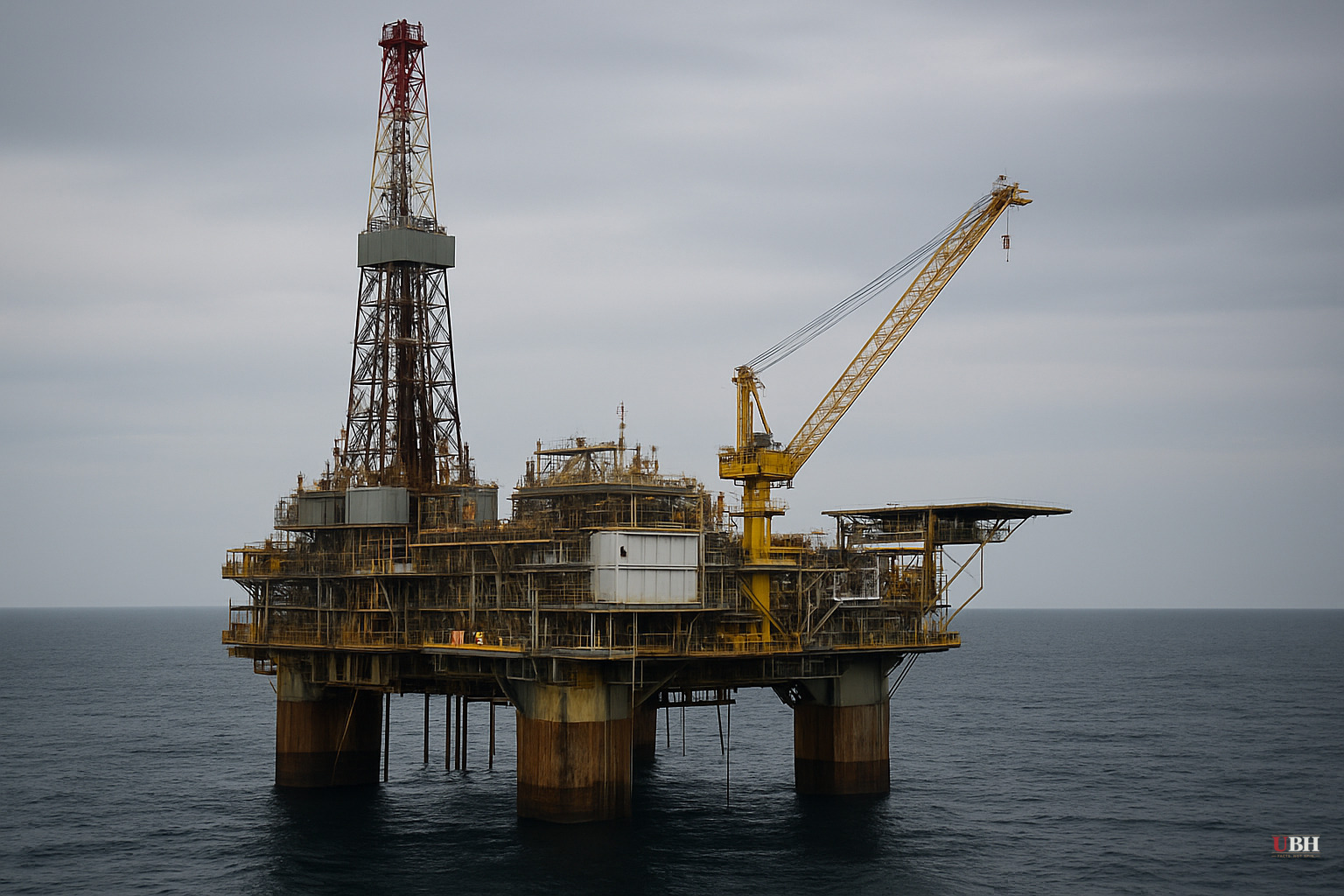
What the Court Decided
The U.S. District Court for the District of Maryland dismissed a lawsuit challenging oil and gas operations in the Gulf of America, ruling the case moot and saying it lacked jurisdiction to continue, according to reporting by Kimberley Hayek via The Epoch Times, republished by ZeroHedge.
The lawsuit had targeted the National Marine Fisheries Service's 2025 biological opinion and incidental take statement governing those operations. Both documents are now legally void.
The Exemption Behind the Dismissal
On March 31, the Endangered Species Committee voted unanimously to exempt all Gulf of America oil and gas activities from Section 7 of the Endangered Species Act. The trigger was a finding by the secretary of war that the exemption was required for national security.
Congress designed the Endangered Species Committee specifically for situations like this. The panel, composed of six senior federal officials and chaired by the secretary of the interior, has statutory authority to override ESA requirements when the secretary of war certifies a national security need. According to the Justice Department, this is the first time the committee has invoked that authority on national security grounds in the committee's history.
With the exemption in place, the legal basis for the biological opinion evaporated. The Justice Department said Thursday that without underlying ESA requirements to enforce, those documents "retain no legal force."
What the DOJ Said
Principal Deputy Assistant Attorney General Adam Gustafson, of the Justice Department's Environment and Natural Resources Division, stated: "The Endangered Species Committee's exemption reflects a judgment at the highest levels of government that producing American energy in the Gulf of America is essential to our national security. Today's decision clears away litigation that threatened development in the Gulf, in furtherance of President Donald J. Trump's directive to unleash American energy."
Gustafson's framing reveals a deliberate rhetorical posture. The DOJ characterized ESA-based litigation not as a legitimate regulatory dispute but as a threat to national interests, rather than offering a neutral legal description.
The Case for the Exemption
The strongest argument in favor of the administration's move is structural, not purely political. Congress explicitly wrote the national security override into the ESA. The secretary of war made a formal finding. The Endangered Species Committee, a body with members from across the executive branch, voted unanimously. The administration did not work around the law — it used a mechanism the law provides.
U.S. Gulf oil and gas production represents a significant share of domestic output. If the government credibly determined that ESA-driven litigation was throttling production in a region with direct bearing on fuel supply and energy pricing, invoking the national security clause is precisely what the statute contemplates.
The Case Against
Environmental attorneys and conservation groups will argue that "national security" is a broad label that can justify almost anything if courts defer to executive branch findings. The concern is precedent: if this exemption holds without meaningful judicial review, future administrations could invoke national security to sidestep ESA requirements for any commercially significant energy project.
The court did not rule on the merits of whether the exemption was correctly granted. It ruled the case moot because the underlying legal action no longer existed. That means no court has evaluated whether the secretary of war's national security finding was substantiated. The exemption stands on the executive's word, reviewed by no independent tribunal as of June 27, 2026.
No investigation into the process has been announced, and no charges related to the decision have been filed.
What the Sources Don't Cover
Both the Epoch Times/ZeroHedge report and the Vaquill News summary treat the dismissal as a clean win for energy development and do not include a response from the plaintiffs, from the National Marine Fisheries Service, or from any conservation organization. The Vaquill summary is AI-generated and adds nothing beyond a condensed version of the Epoch Times piece. Neither source identifies who filed the original lawsuit or what specific ESA violations they alleged. That gap matters: understanding what biological risks were cited in the 2025 biological opinion would help readers judge how significant the environmental trade-off actually is.
What Happens Next
The plaintiffs could appeal the mootness ruling to the Fourth Circuit Court of Appeals, arguing that the exemption itself is subject to review or that the court should have assessed whether the exemption was validly granted before dismissing. Whether any party pursues that appeal is the concrete unresolved question here. The administration has set a clear precedent that the national security carve-out in the ESA is an active tool, not a dormant one. How federal appellate courts respond, if challenged, will define how durable that tool actually is.
Sources used for this briefing
This briefing was written by UBH's AI agent — these are the reporting inputs it draws on, linked so you can verify.


