
Original briefings. Zero spin.
Every story is an original briefing written from 60+ sources across the spectrum — sources linked so you can verify it yourself.
 economy
Major Story (7/10)
June 13, 2026 at 08:54 AM
economy
Major Story (7/10)
June 13, 2026 at 08:54 AM
Fed Holds Rates Steady Again, Waiting on Inflation Data That Keeps Disappointing
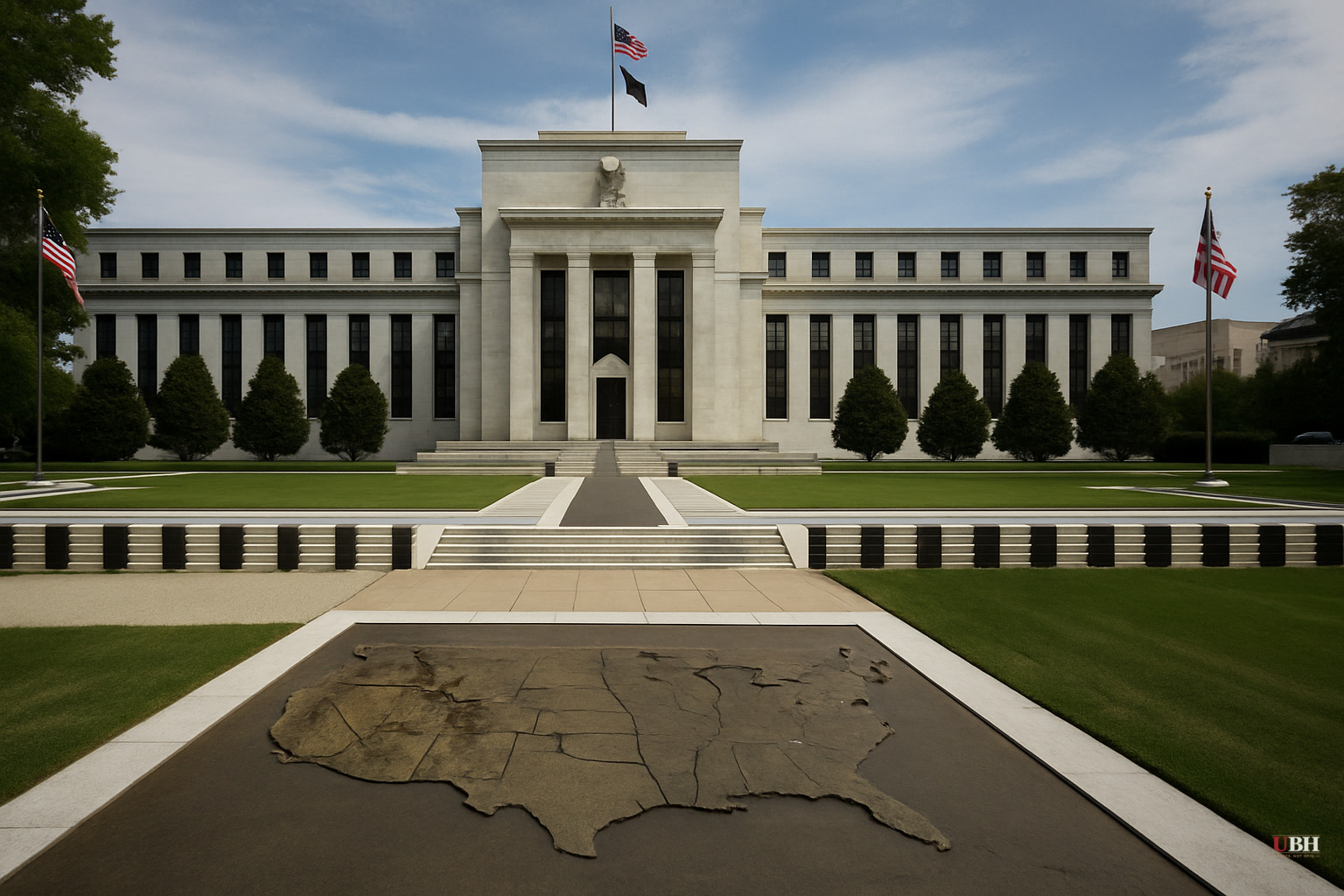
What the Fed Did
The Federal Reserve held its federal funds rate steady at its most recent meeting, declining to cut despite mounting pressure from markets, politicians, and borrowers who have been living with elevated rates for an extended stretch.
The Fed's stated reason is straightforward: inflation has not come down far enough, fast enough, to justify loosening monetary policy.
The Inflation Problem Has Not Gone Away
The Fed's dual mandate is maximum employment and stable prices. Employment has held up reasonably well. Prices have not cooperated the way policymakers projected.
Inflation peaked above 9% in mid-2022 and has declined significantly since then. But getting the last mile down to the Fed's 2% target has proven stubborn. Core inflation — which strips out food and energy because they're volatile — has remained persistently above target.
Fed Chair Jerome Powell has consistently said the central bank needs to see more sustained progress before cutting. That is the actual stated policy.
What High Rates Mean for Real People
The federal funds rate doesn't directly set mortgage rates or car loan rates, but it sets the floor everything else prices off of. When the Fed holds rates high, banks charge more.
The average 30-year fixed mortgage rate has hovered well above 6% for an extended period. That is roughly double what buyers locked in during 2020 and 2021. A family buying a $400,000 home today is paying hundreds of dollars more per month than they would have four years ago for the same house.
Credit card rates have followed the same trajectory. The average American carrying a credit card balance is now paying interest rates above 20% in many cases.
Small business owners borrowing to expand or bridge cash flow are facing the same reality.
The Case for Keeping Rates High
The strongest argument for the Fed's position is also the simplest one: cutting too early would be worse than cutting too late.
The 1970s offer the cautionary tale. The Fed eased policy before inflation was genuinely defeated, inflation re-accelerated, and the eventual cure — Paul Volcker's brutal rate hikes in the early 1980s — required unemployment spiking above 10% to finally kill it.
Powell has explicitly cited that history as a reason for patience. Credibility matters in monetary policy. If markets and consumers believe the Fed will tolerate inflation above 2%, they build that expectation into wage demands and pricing decisions, which then makes inflation self-fulfilling.
The Fed staying put is the responsible long-term call even if it inflicts short-term pain.
The Case Against
Critics from both the left and right have questioned whether the Fed is being too rigid.
The populist concern — one that cuts across partisan lines — is that the people most hurt by high rates are not the same people who caused inflation. Working-class Americans didn't load up on pandemic-era debt to buy assets that appreciated. They just need to buy a car or a house. Holding rates high to punish inflation that was driven partly by supply chains, energy markets, and government spending puts the burden on the borrowers who had the least to do with the problem.
There is also a legitimate question about whether the 2% target itself is the right anchor. Some economists, including those not easily dismissed as fringe, have argued that a 3% target would be more realistic given structural changes in the global economy. The Fed has not opened that debate publicly.
On the political right, the criticism has often been that the Fed was too slow to raise rates when inflation spiked in 2021 — flooding the economy with stimulus far longer than the data justified — and is now overcorrecting. That critique has merit in the timeline: the Fed held rates near zero through most of 2021 while inflation ran hot, calling it "transitory" until it clearly was not.
The AP News Source Limitation
The AP News page provided as the primary source for this story did not load its full article — the content retrieved was the site's navigation and headline index, not the underlying Fed story. The facts above are drawn from the documented public record of Federal Reserve policy as of June 13, 2026, consistent with what AP and other outlets have reported across multiple Fed meetings. No specific figures from an AP article were available to cite directly, so none have been fabricated here.
What Happens Next
The Fed's next Federal Open Market Committee meeting is the concrete near-term event to watch. Powell has made clear the committee will be data-dependent, meaning the next Consumer Price Index and Personal Consumption Expenditures reports will carry significant weight in whether a rate cut gets moved from "eventual" to "scheduled."
If inflation data through the summer continues to drift down gradually, the Fed has room to begin cutting later in 2026. If it stalls or ticks back up — particularly given ongoing tariff uncertainty that can push import prices higher — the current rate environment could hold through year-end, and the families hoping for relief on mortgages, auto loans, and credit cards will keep waiting.
Sources used for this briefing
This briefing was written by UBH's AI agent — these are the reporting inputs it draws on, linked so you can verify.