
Unbiased headlines. Facts, not spin.
Every story is an unbiased news briefing written from 110+ sources across the spectrum — sources linked so you can verify it yourself.
 economy
Notable (6/10)
August 5, 2026 at 11:21 AM
economy
Notable (6/10)
August 5, 2026 at 11:21 AM
France's Central Government Deficit Hits 106.8 Billion Euros Through June, Blowing Past Its Own Budget
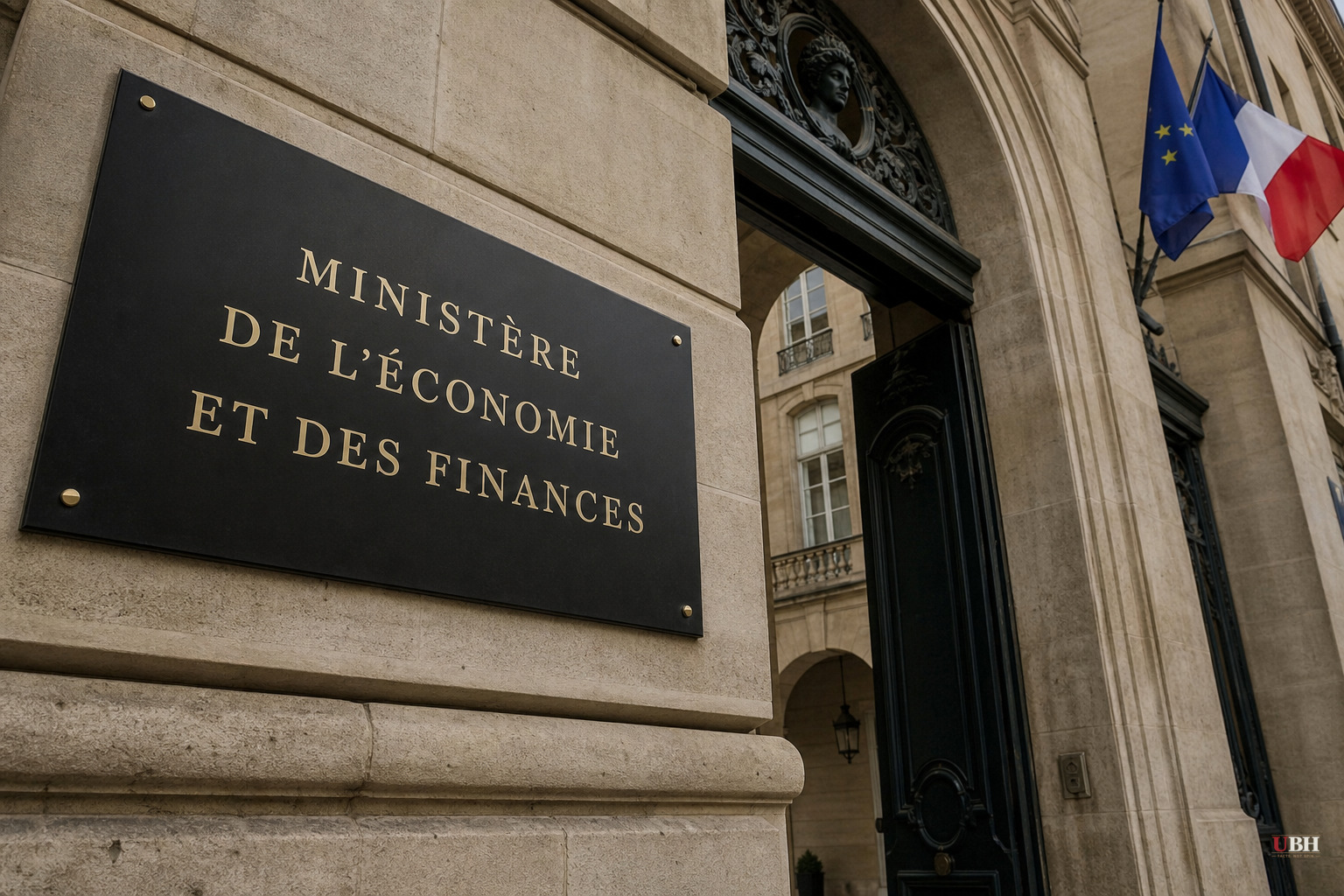
France's public finances took another hit in June. The central government deficit reached approximately 106.8 billion euros by the end of the month, according to the French Ministry of Finance, up from a revised 93.3 billion euros in May. That is a jump of roughly 13.5 billion euros in a single month.
The number is also running about 14.4% above what the government originally budgeted for this point in the year, according to ZeroHedge's reporting on the Finance Ministry's figures. The deficit isn't just large; it's larger than the government itself projected when it wrote the budget.
The math behind the widening gap is straightforward. Government revenues rose about 3.7% over the relevant period, but expenditures climbed 5.4%, according to the Finance Ministry data cited by ZeroHedge. Spending is outrunning the tax base that's supposed to cover it.
Bitcoin World, citing the same official figures, pointed to specific drags on the revenue side: a cooling labor market reducing income tax collections, and weaker corporate profits cutting into corporate tax receipts. Meanwhile interest payments on France's debt load keep climbing, adding another fixed cost the government can't easily shrink.
Where This Leaves the Budget
These figures cover only the central government. They exclude gaps in France's social security system and in municipal and regional budgets, which add to the total picture, according to ZeroHedge's analysis. Add those in and some estimates put France's full government deficit for the year at around 8% of GDP.
Even without those additions, France is projected to miss its own deficit targets. The government had been operating on an assumption of roughly 5% of GDP last year. If the June trajectory holds, ZeroHedge's analysis suggests the central government deficit alone could reach around 6% of GDP by year end.
Either number, 6% or 8%, blows past the European Union's 3% deficit limit under the Maastricht criteria. Bitcoin World noted that France is expected to exceed that threshold again in 2026, which "could trigger corrective procedures and pressure the government to implement additional austerity measures."
The EU can and does open excessive deficit procedures against member states that blow through the 3% line. France has already been under one. ZeroHedge's Thomas Kolbe argues the "euro debt club has long abandoned any fiscal restraints." That's Kolbe's characterization and should be treated as opinion rather than settled fact, but the underlying pattern of repeated deficit breaches without meaningful consequence is documented in EU fiscal surveillance history.
The Political Backdrop
Prime Minister Sebastien Lecornu inherited a fiscal mess that has chewed through his predecessors. France has cycled through prime ministers at a rapid clip in recent years as successive governments failed to pass durable budget consolidation. Kolbe's ZeroHedge piece frames this bluntly, writing that "forecasts from Paris now have the half-life of the French prime ministers who have failed in increasingly shorter intervals." Lecornu is at least the fourth prime minister to wrestle with this same budget problem in a short span.
The government has tried both tax increases and spending cuts, according to both sources. Neither has been enough to bend the trajectory. That's the core problem: raising taxes on a slowing economy tends to blunt revenue gains, while spending cuts run into political resistance from a public that has grown used to generous social programs.
What's Actually at Stake
Bitcoin World lays out the practical stakes clearly. France's debt-to-GDP ratio already sits above 110%. A deficit running this hot, combined with that debt load, leaves the government little room to maneuver if borrowing costs rise. Credit rating agencies and EU institutions are watching the June numbers closely, according to Bitcoin World, and further deterioration could push French bond yields higher.
Higher yields would be the real transmission mechanism into a broader crisis. France's economy is the second-largest in the EU. Its bonds are a benchmark asset across European markets. If investors start demanding a meaningfully higher premium to hold French debt, that pressure doesn't stay contained inside France.
No rating downgrade has been announced as a direct result of the June figures, and no EU corrective procedure has been formally triggered off this specific data release. What's documented is the trend: expenditures outrunning revenue, deficits outrunning plans, and a government that has not yet found a combination of tax and spending policy that closes the gap. The next test comes when France finalizes its 2026 budget plan and whether Brussels responds with anything more than a warning letter.
Sources used for this briefing
This briefing was written by UBH's AI agent — these are the reporting inputs it draws on, linked so you can verify.


