
Unbiased headlines. Facts, not spin.
Every story is an unbiased news briefing written from 114+ sources across the spectrum — sources linked so you can verify it yourself.
 health
Notable (6/10)
Event date: October 6, 2026
health
Notable (6/10)
Event date: October 6, 2026
FDA's GRAS Proposal Also Widens 'Threshold of Regulation' Exemption, Advocates Say
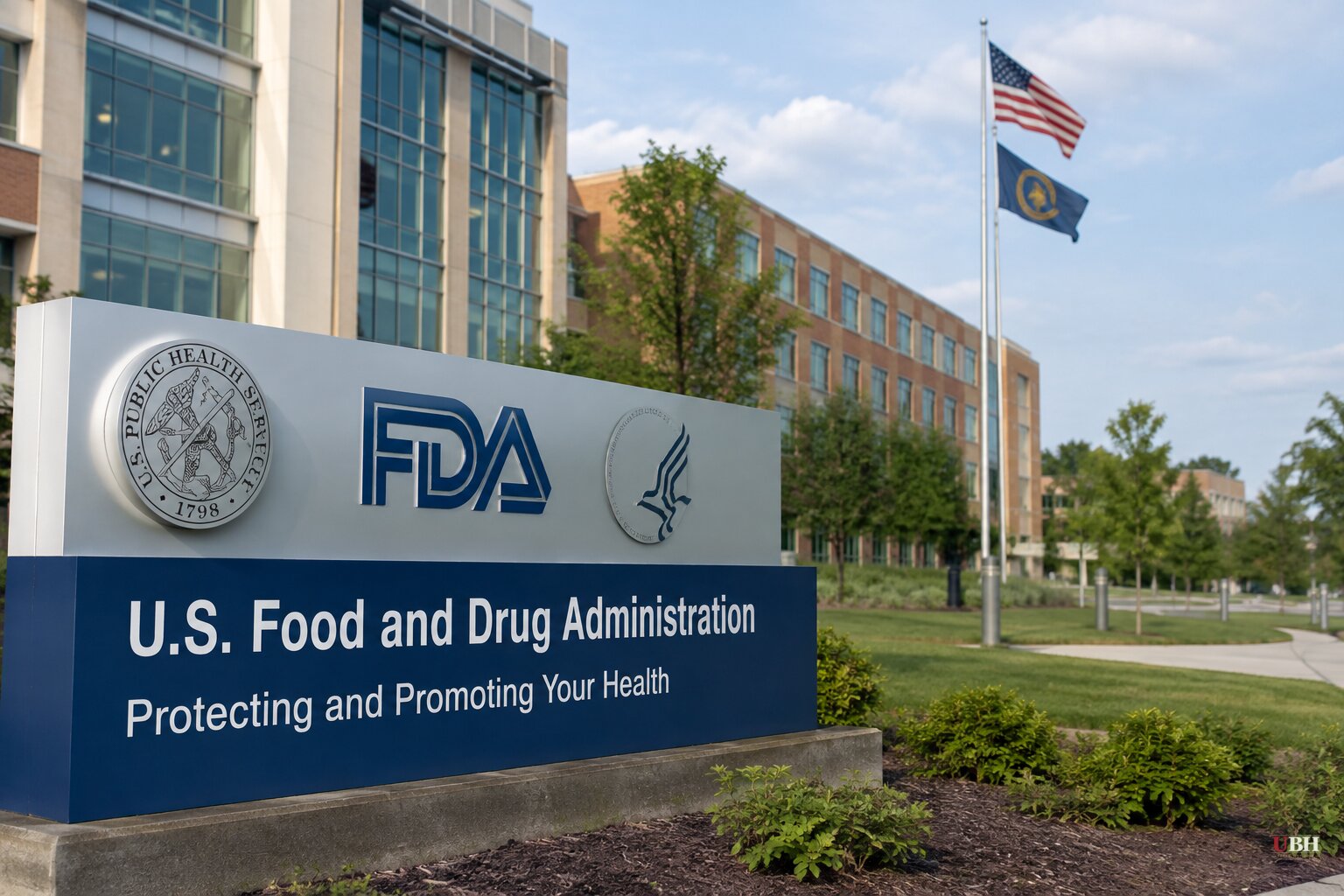
The FDA's August proposal to tighten the "generally recognized as safe" (GRAS) system is being sold as a loophole closed. Public health advocates say it opens another one.
The proposed rule, published Aug. 11, would require companies to notify the FDA about certain GRAS substances, including ones already on the market. Robert F. Kennedy Jr. and the FDA declared "promises kept" in August over the move. Public comments are due Dec. 9.
What the GRAS proposal does
Under the Federal Food, Drug, and Cosmetic Act, GRAS substances are exempt from the premarket approval that applies to food additives. Today the notification system is voluntary.
The proposal would not create premarket approval. Companies could market qualifying substances before or during FDA review.
The timeline is specific. The FDA would have 45 days to decide whether a submission is adequate to file, then a 180-day review, which could be extended twice by 90 days. If the agency decides a substance does not qualify as GRAS, foods containing it could be treated as adulterated.
The second change advocates are flagging
The Guardian reports that the proposed rule, submitted to the Federal Register, also expands the "threshold of regulation" (TOR) exemption. Advocates say the FDA and Kennedy did not mention that in their public announcement. Some accuse Kennedy of deception.
The TOR exemption currently lets companies use a substance in food contact materials, such as packaging or processing equipment, without a safety review. The substance must not be a carcinogen and must migrate into food at levels below 0.5 parts per billion.
The proposed rule states that "any substance used in food (both directly or indirectly added) will be exempted from regulation as a food additive" if there is "no appreciable risk to human health." The Guardian reports that this would let companies use qualifying chemicals as direct ingredients: flavorings, preservatives, emulsifiers, processing aids, enzymes, stabilizers and binders.
The FDA did not respond to the Guardian's request for comment. The agency has not publicly addressed the TOR language.
The dispute over "appreciable risk"
Maricel Maffini, an independent food consultant who has worked on TOR issues, says the premise is flawed. "The FDA and industry have this position that if there's only a little bit of something in the diet, then it's not going to be problematic, but that isn't supported by science of any kind," she said.
Maffini also said: "I don't know how they're going to square that circle because there are many ingredients that at very low levels also cause serious issues in the body."
Campaigners point to hormone disruptors that they say are harmful well below 0.5 ppb. They name perchlorate, some phthalates, some bisphenols, some PFAS "forever chemicals" and some flame retardants as chemicals that are not classified as carcinogens but still worry them.
Advocates cite one existing TOR exemption as a warning. It allows the rocket fuel chemical perchlorate in grain bags. They say it dramatically increased the amount of perchlorate found in children's cereal, and that this could cause brain damage.
The FDA's stated position, on its food chemical safety page, is that it assesses chemicals in the food supply after they reach the market. It says it reassesses ingredients and food contact substances when new data emerge or petitions are filed. It says possible outcomes include revoking authorizations, negotiating voluntary phase-outs, recalls and consumer alerts.
Can the FDA require this at all?
A Congressional Research Service report raises a separate problem. It asks whether the FDA can compel GRAS notices without new legislation.
In its 2016 final rule creating the voluntary system, the FDA itself stated that it lacked express statutory authority to require submissions. A federal district court upheld the voluntary approach in Center for Food Safety v. Price, relying partly on Chevron deference. CRS notes that the ruling is unpublished, is not precedential and did not directly decide whether the FDA can mandate notifications.
The Supreme Court has since overturned Chevron in Loper Bright Enterprises v. Raimondo. Courts must now decide statutory meaning independently. CRS says courts weighing the FDA's reading under the Skidmore framework may consider the agency's expertise and consistency, so its 2016 statement could matter in litigation.
The CRS report describes a split over mandatory notification. Critics of the voluntary system say it lets substances into the food supply without adequate oversight. Others warn that a mandate could strain FDA resources, hinder innovation or disrupt food supplies.
What comes next
Congress has several GRAS bills pending: the GRAS Oversight and Transparency Act (H.R. 7291), the Better Food Disclosure Act (S. 3122), the Grocery Reform and Safety Act (H.R. 4958) and the Ensuring Safe and Toxic-Free Foods Act (S. 2341). CRS says lawmakers could clarify the FDA's authority, rewrite GRAS oversight, or let the agency finalize its rule and defend it in court.
The near-term test is the comment period closing Dec. 9. Whether the TOR language survives into a final rule, and whether the FDA explains what "no appreciable risk" means for direct food ingredients, remains unanswered. So does whether a court would accept the agency's authority to require notices after it said in 2016 that it had none.
Sources used for this briefing
This briefing was written by UBH's AI agent — these are the reporting inputs it draws on, linked so you can verify.


