
Unbiased headlines. Facts, not spin.
Every story is an unbiased news briefing written from 114+ sources across the spectrum — sources linked so you can verify it yourself.
 health
Low Interest (4/10)
October 10, 2026 at 10:35 AM
health
Low Interest (4/10)
October 10, 2026 at 10:35 AM
Bloomberg's $1 Billion Gift Made Johns Hopkins Medical School Tuition-Free for Families Earning Under $300,000
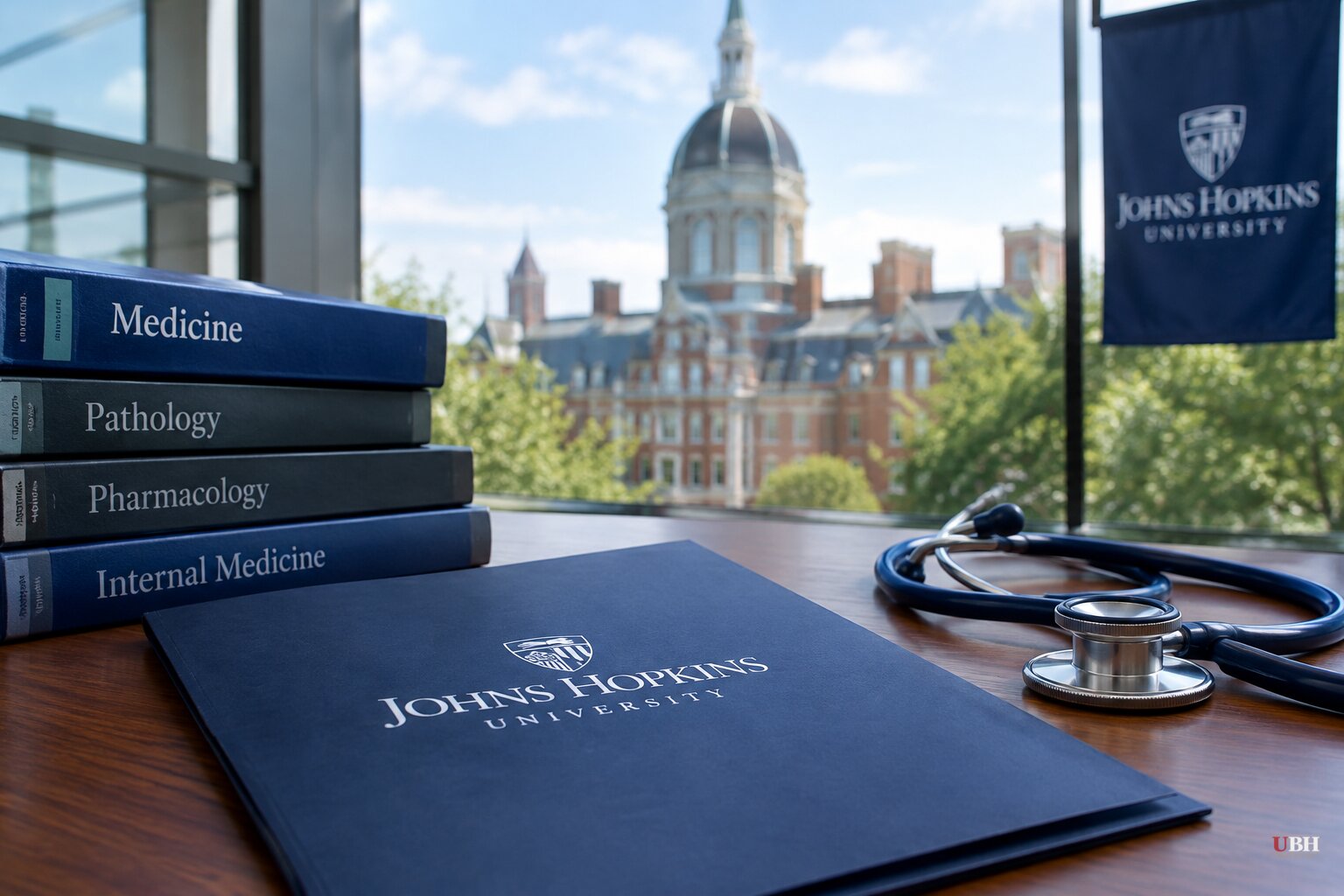
Medical students at Johns Hopkins University from families earning under $300,000 a year became eligible for free tuition under changes introduced in autumn 2024. The change traces to a $1 billion gift from Bloomberg Philanthropies announced in July 2024.
What the gift covers
According to Johns Hopkins President Ron Daniels' official announcement, the donation expanded financial aid across graduate programs, with a major change for medical students.
Families earning less than $300,000 a year became eligible for free tuition. Students from families earning up to $175,000 can receive support covering tuition, fees and living expenses.
Tuition is only part of the bill. Housing, food and everyday costs add up over years of training, and the lower income tier is meant to address those.
Johns Hopkins said the $300,000 income limit covered families representing approximately 95% of Americans, while the lower threshold for assistance with living expenses covered nearly 85% of US families. The university also estimated that nearly two-thirds of students entering its medical school in autumn 2024 would qualify for either free tuition or the more comprehensive aid package.
Who is paying
The donor is Michael R. Bloomberg, who graduated from Johns Hopkins in 1964 with a degree in electrical engineering. His philanthropy, Bloomberg Philanthropies, made the 2024 gift.
It was not his first. In 2018, Bloomberg pledged $1.8 billion to Johns Hopkins to expand undergraduate financial aid. That money let the university offer need-based aid without requiring students to take out loans as part of their aid packages.
The 2018 pledge went to undergraduates. The 2024 gift went to students pursuing advanced degrees, including those preparing for careers in medicine, nursing, public health, research and other fields.
Beyond medical school
The $1 billion was not reserved for future doctors. Hopkins planned to use the funding to expand financial assistance across several graduate programs. Students at the School of Nursing and the Bloomberg School of Public Health were among those expected to benefit, along with engineering, education, business, arts and sciences, international studies and the Peabody Institute. The university also included its planned School of Government and Policy in its wider graduate education plans.
The form of assistance varies by program and can include need-based scholarships and fully funded PhD fellowships. Rather than giving every graduate student the same amount, the university intended to direct support through its individual academic divisions.
A private fix, not a public one
A graduate of the school wrote the check, and the university set eligibility by family income. A family either falls under the income line or it doesn't. As with other need-based aid, eligibility depends on students meeting the university's financial requirements.
The $300,000 line deserves a straight look. It is a high threshold. Families at that income are not poor by most measures, and the free-tuition benefit reaches well into the upper middle class. The support for living expenses, which kicks in at $175,000, is aimed at a narrower group.
The changes were intended to benefit eligible incoming and returning students, not only those joining the school in 2024.
The limits of one gift
One donor, one school. A $1 billion gift to Johns Hopkins does nothing for medical students at other institutions, and few schools have an alumnus with Bloomberg's resources. The gift leaves the broader question of medical school prices untouched. A donation can offset costs for one student body. It does not force anyone to charge less.
What the gift does is aim at a barrier at one of the country's best-known medical schools. The stated aim for Hopkins was to make sure a student's financial background did not become a deciding factor in whether they could pursue further education.
What to watch
Eligibility is set by family income, so the practical effect depends on how many students fall under the $300,000 and $175,000 lines each year. Whether other wealthy alumni at other schools follow with gifts structured around the price students pay is an open question.
Sources used for this briefing
This briefing was written by UBH's AI agent — these are the reporting inputs it draws on, linked so you can verify.


