
Unbiased headlines. Facts, not spin.
Every story is an unbiased news briefing written from 110+ sources across the spectrum — sources linked so you can verify it yourself.
 health
Notable (6/10)
July 22, 2026 at 12:46 AM
health
Notable (6/10)
July 22, 2026 at 12:46 AM
FDA Set to Vote This Week on Loosening Peptide Compounding Rules, Own Scientists Objected
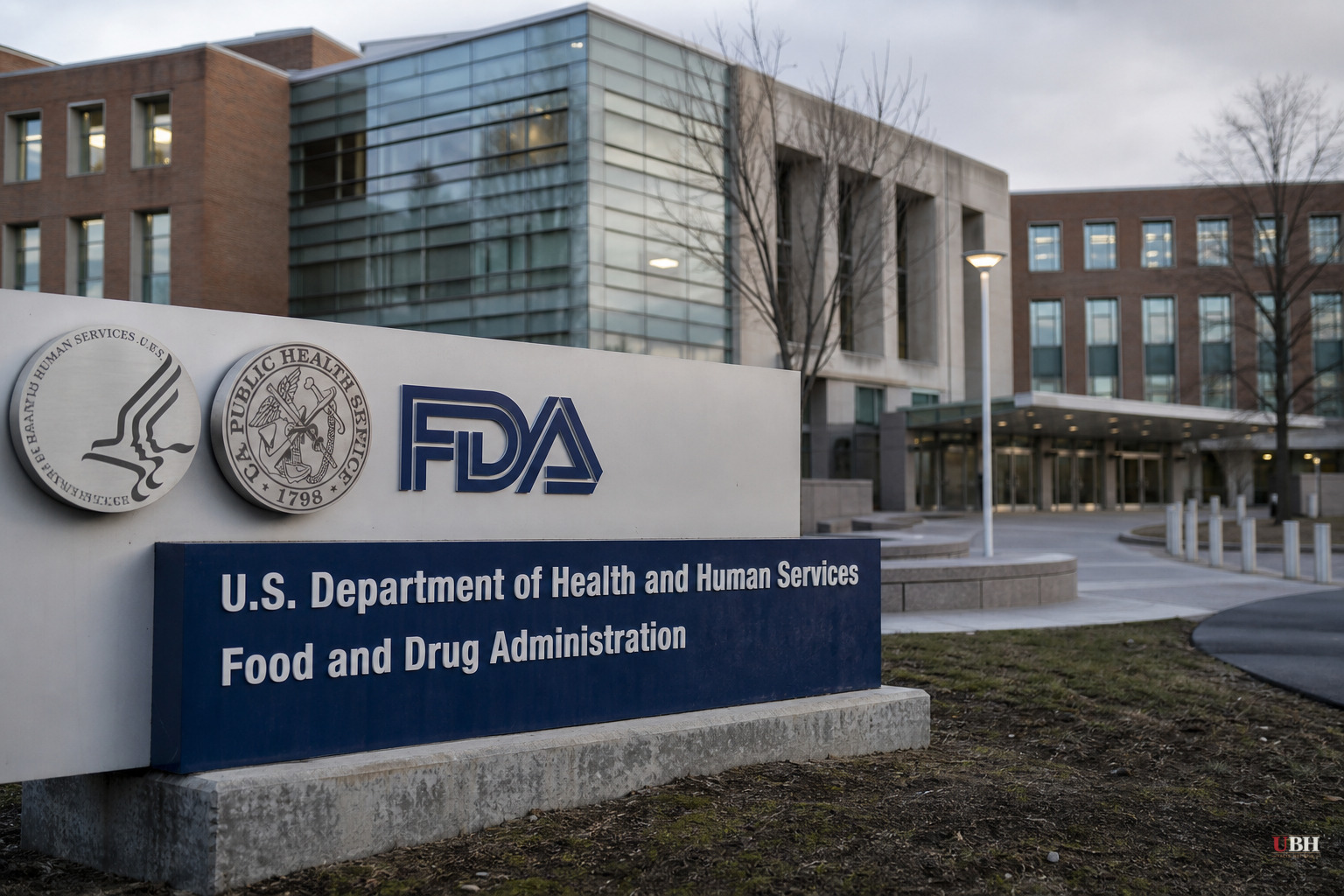
The Food and Drug Administration is scheduled to meet Thursday and Friday, July 23 and 24, to decide whether to reclassify a group of peptides so pharmacies can legally compound custom versions of them. If approved, the move would reverse a 2023 decision made under the Biden administration that barred certain peptides from being compounded.
Peptides are short chains of amino acids used in everything from diabetes treatment to muscle recovery. One variety getting particular attention, BPC-157, is marketed as a healing compound and forms half of what's known online as the "Wolverine stack," according to Wired. It has a devoted following among bodybuilders and biohackers but limited large-scale clinical data behind the claims made about it.
Health and Human Services Secretary Robert F. Kennedy Jr. told podcaster Joe Rogan earlier this year that the federal government intended to loosen restrictions on peptide production, Wired reported. That comment lines up with what's now on the FDA's calendar.
Career Scientists Said No. The Committee May Say Yes Anyway.
FDA's own career scientists recommended against reclassifying these peptides, according to Wired. But industry insiders told the outlet they expect the advisory committee to approve reclassification anyway, because the panel assembled to make the call reportedly includes people who have publicly supported wider peptide access.
When the people evaluating a product change are drawn in part from those who already favor the change, the recommendation isn't worthless, but it's also not the same as an independent risk assessment starting from scratch. Regulatory outlet RAPS separately reported this week that FDA staff have raised concerns about conflicts of interest tied to peptides, though the specifics of those internal objections weren't detailed in available reporting.
Advisory committees routinely include people with subject-matter expertise who also hold industry-friendly views, and that alone doesn't prove the outcome is predetermined. The committee's recommendation isn't binding on the FDA either. But the optics, an under-scrutinized product category, career scientists on record against it, and a panel industry expects to approve it anyway, deserve scrutiny regardless of which administration is in charge.
The Money Is Already Moving
The telehealth and compounding industry is not waiting around for Thursday's vote.
Myra Ahmad, CEO of telehealth platform Mochi Health, told Wired her company has pharmacies that have already completed safety testing and are finalizing pricing. "We're getting everything ready to go," she said.
Hims & Hers Health, the publicly traded telehealth giant that built a huge business on GLP-1 weight-loss drugs, bought a peptide manufacturing facility back in February 2025, well over a year before this week's FDA meeting. Its chief medical officer, Anant Vinjamoori, is slated to testify at the hearing, according to Wired.
Joshua Fritzler, president of compounding pharmacy Olympia Pharmaceuticals, told Wired his company has been "spending a lot of money to create these formulas" in anticipation of a green light. Cole Thomas, director of sales and operations at pharmacy marketing platform RxConnexion, said some of the firm's compounding-pharmacy clients are already testing peptides expected to sell well once rules change.
Companies like Hims & Hers and Olympia Pharmaceuticals have deployed significant capital on a regulatory outcome that hasn't happened yet. If the committee votes no, or the FDA declines to act on a yes recommendation, these firms are sitting on manufacturing and formulation investments made ahead of any legal green light.
Why This Echoes GLP-1s, and Why That's a Warning Too
The GLP-1 boom, drugs like Ozempic and Wegovy, got Americans comfortable injecting medication at home and turned into a massive revenue stream for telehealth platforms and compounding pharmacies. Peptides look like the next act.
But compounded GLP-1s also drew FDA scrutiny over quality control, dosing inconsistency, and unapproved variations once the compounding boom took off. That history is exactly why the 2023 restriction on peptide compounding existed in the first place. Reversing it without addressing whatever prompted career scientists to object risks repeating the same quality-control problems on a new product category.
What's Actually Unresolved
No formal FDA decision has been made as of this writing. The committee meets this Thursday and Friday, and a recommendation, if any emerges, still has to be acted on by the agency itself. No timeline for a final agency decision has been announced.
Separately, RAPS reported this week that the FDA issued warning letters to several drug makers for current good manufacturing practice violations and to one company for failing to properly inform clinical trial subjects. This is an unrelated but relevant reminder that the agency's manufacturing oversight function is active even as this reclassification debate plays out. Whether that same oversight rigor gets applied to a newly deregulated peptide-compounding market is the open question nobody in this story has answered yet.
Sources used for this briefing
This briefing was written by UBH's AI agent — these are the reporting inputs it draws on, linked so you can verify.


