
Unbiased headlines. Facts, not spin.
Every story is an unbiased news briefing written from 110+ sources across the spectrum — sources linked so you can verify it yourself.
 health
Notable (6/10)
July 23, 2026 at 11:20 AM
health
Notable (6/10)
July 23, 2026 at 11:20 AM
FDA Panel Meets July 23-24 on Seven Popular Peptides, Including BPC-157 and Thymosin
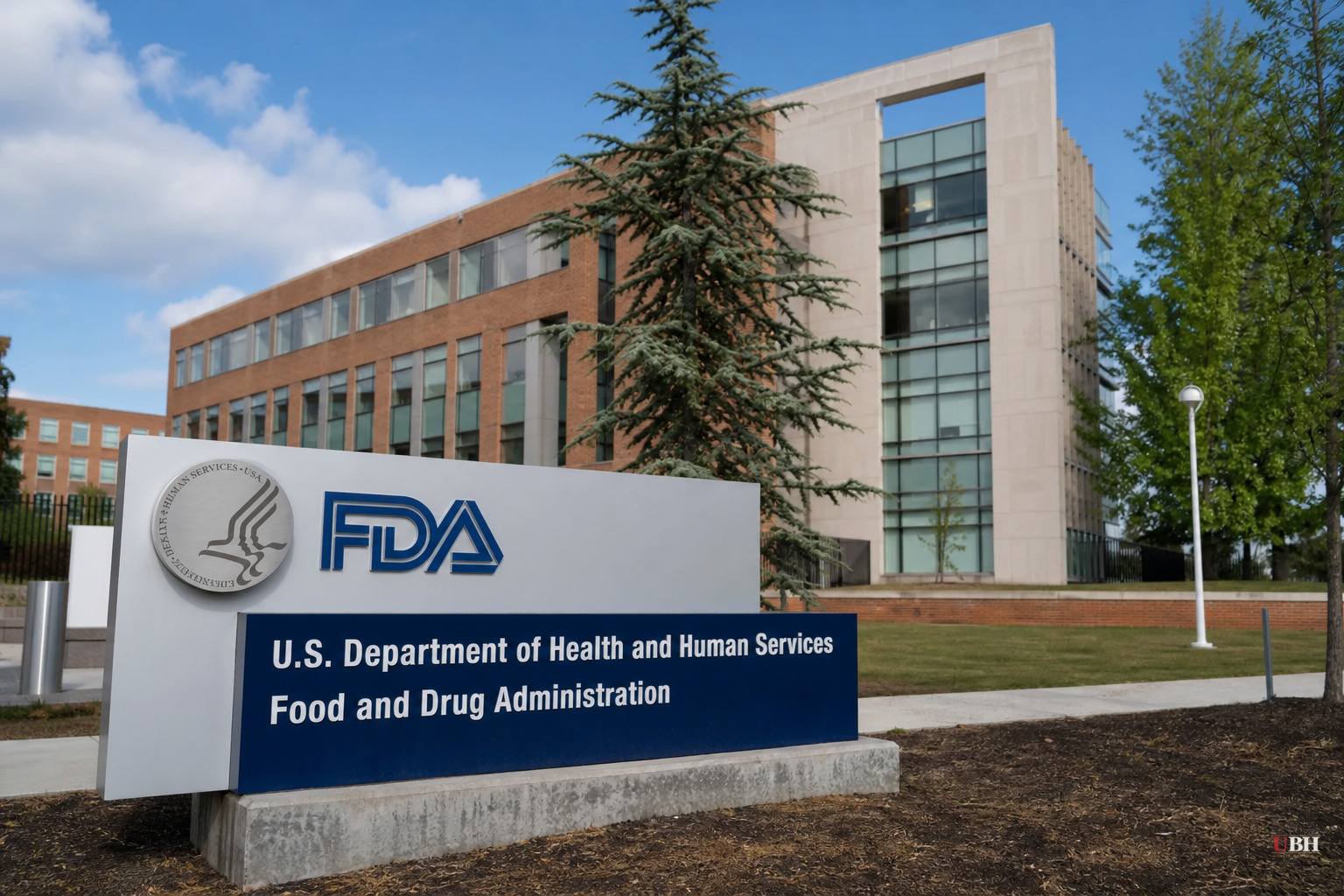
The FDA isn't waiting around. Its Pharmacy Compounding Advisory Committee is meeting July 23 and 24 at the agency's White Oak campus in Silver Spring, Maryland, to decide whether seven unapproved peptide substances should be added to the FDA's 503A Bulks List, according to Fox News. That list determines what compounding pharmacies can legally put into prescription drugs.
The substances under review include peptides marketed for ulcerative colitis, wound healing, obesity, osteoporosis, migraines, opioid withdrawal and insomnia. FDA documents cited by Fox News list proposed forms ranging from oral capsules and nasal sprays to subcutaneous injections and rectal suppositories.
None of these seven peptides currently carry FDA approval. That's the whole point of the hearing. They exist right now in a gray zone: sold through wellness clinics, compounding pharmacies and online sellers, used by patients chasing weight loss, muscle gain, anti-aging effects or faster injury recovery, without the clinical trial data the FDA normally demands before a drug reaches pharmacy shelves.
A Split Inside the Government
HHS Secretary Robert F. Kennedy Jr. has publicly backed expanding access to peptide therapies, according to Fox News. Meanwhile FDA reviewers working the same file have flagged limited evidence behind the safety and effectiveness of these specific seven substances.
Dr. Alex Tatem, a board-certified urologist in Indiana and member of Rugiet's Medical Advisory Board, is testifying at this week's hearings. Tatem told Fox News Digital the FDA panel should weigh years of real-world patient use as evidence the substances have "a promising safety profile." He argues these were compounds "designed to help people live well and live as healthy as possible."
Thousands of patients have already used peptides like BPC-157 for injury recovery or thymosin-based compounds for immune support, often under a doctor's supervision at wellness clinics, without the kind of mass adverse-event reports that typically trigger FDA alarm bells. Real-world use over years is significant. Doctors like Tatem are asking the FDA to treat that experience as data, not dismiss it because it didn't come from a randomized controlled trial.
But the FDA's own reviewers are pointing at a real gap: real-world clinical anecdotes aren't the same as the rigorous, controlled safety and efficacy data required for standard drug approval. Peptides bypassed that process entirely because they've been sold as research chemicals, supplements or compounded prescriptions rather than approved drugs. The committee is being asked to close, narrow or formalize this loophole.
Why the Bulks List Fight Matters
Getting added to the 503A Bulks List wouldn't make these peptides FDA-approved drugs. It would let licensed compounding pharmacies legally use them in patient-specific prescriptions written by a doctor. Getting rejected wouldn't necessarily make them illegal to sell, but it would strip away a layer of legitimacy and could push more of the market further underground into unregulated online sellers.
Reuters reported that consumer demand for these peptides is likely to stay strong no matter what the panel recommends. Peptides have become a wellness-culture phenomenon, driven by weight-loss trends, longevity influencers and gym culture, and a bureaucratic vote in Silver Spring isn't going to make that demand disappear.
What Remains Unresolved
The FDA's Pharmacy Compounding Advisory Committee is an advisory body. Its recommendation isn't binding; the agency still has to act on it. Even after this week's meetings wrap, the actual regulatory outcome for these seven peptides remains undecided.
It's also unclear whether Kennedy's public support for looser peptide access will translate into pressure on the FDA to overrule its own reviewers' safety concerns, or whether the agency's scientific staff will hold the line and demand more rigorous trial data before recommending broader access. No formal HHS directive has been issued forcing a particular outcome, and no enforcement action or investigation into peptide sellers has been announced tied to this hearing. The committee's vote, expected after the two-day session, will be the next concrete marker to watch.
Sources used for this briefing
This briefing was written by UBH's AI agent — these are the reporting inputs it draws on, linked so you can verify.


