
Unbiased headlines. Facts, not spin.
Every story is an unbiased news briefing written from 110+ sources across the spectrum — sources linked so you can verify it yourself.
 health
Notable (6/10)
July 26, 2026 at 09:27 PM
health
Notable (6/10)
July 26, 2026 at 09:27 PM
FDA Launches 'Operation Trialblazer' to Cut Drug Trial Times, Citing Loss of Ground to China
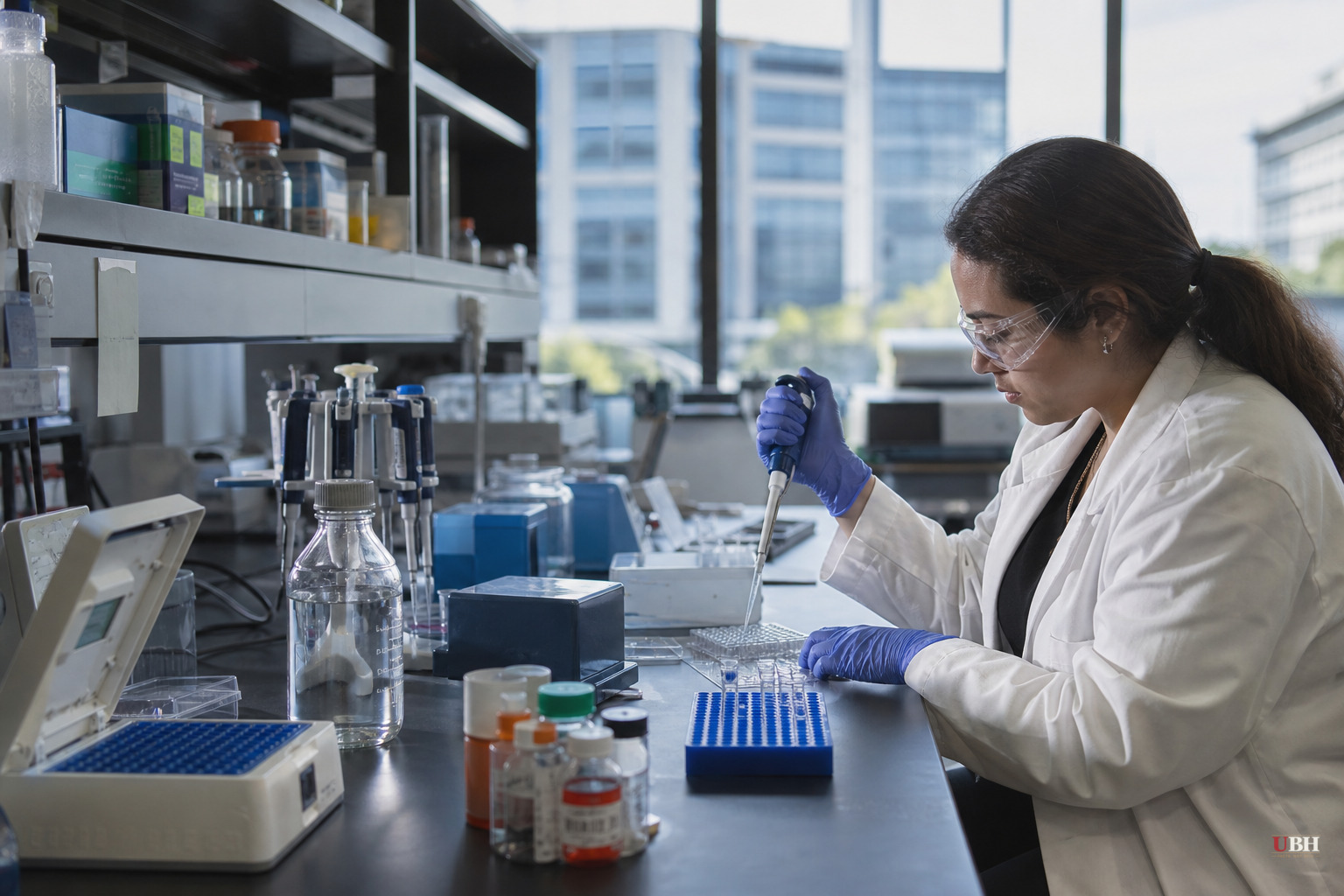
The FDA's drug approval process can take up to 12 years from lab to pharmacy shelf. The agency is now trying to shrink that timeline through a new initiative called Operation Trialblazer, according to the Daily Signal.
The target is Phase 1 trials, the first stage of human testing that determines whether a drug is safe and at what dose. Phase 1 currently takes an average of 380 days in the United States and can stretch past 700 days in some cases, per the Daily Signal's reporting on FDA data.
Other countries move much faster. China has cut its Phase 1 process to about 60 days. Australia runs its in roughly 70 days. That gap has consequences: in 2024, China registered over 16,600 drug trials compared to 9,100 in the U.S., according to the Journal of Clinical Epidemiology, marking the first time China has outpaced the U.S. in trial volume.
Money is following the trials. Out-licensing deals, where a company that develops a drug sells the rights to another firm to continue development, hit $38 billion with Chinese companies in 2023. That number rose to nearly $52 billion in 2024 and more than doubled to over $137 billion in 2025.
What the FDA Is Actually Changing
Operation Trialblazer clarifies what data companies actually need to submit to start a trial. The FDA has acknowledged that vague, non-phase-specific requirements left drug sponsors guessing, often leading them to over-submit data and run months of studies that weren't necessary in the first place.
The initiative also cuts back on required animal testing before a company can apply to test a drug in humans, and it reduces Phase 3, the large-scale trial stage right before approval, from two required clinical trials down to one.
The cost implications are significant. Animal testing alone can run anywhere from $15 million to $100 million per drug. A single Phase 3 trial averages $282 million. Cutting a redundant trial or unnecessary animal studies doesn't just save money for pharmaceutical companies, it lowers the barrier to entry for smaller firms trying to bring new treatments to market.
That matters because smaller companies already punch above their weight in innovation. They account for more than 65% of drugs currently in development, and they originated 46% of first-in-class cancer drugs approved over the past decade, compared to 14% from larger pharmaceutical companies, according to the figures cited by the Daily Signal. Larger firms tend to focus on incremental tweaks to existing drugs rather than genuinely new treatments.
The Legitimate Counterargument
Any move to shorten clinical trials and cut animal testing deserves scrutiny. The entire purpose of Phase 1 and Phase 3 requirements is to catch safety problems before they reach the public. A patient advocate or clinical researcher could reasonably ask: what specifically gets cut, and does removing a second Phase 3 trial reduce the chance of catching a rare but serious side effect that only shows up with a larger, repeated data set?
The FDA's own justification, as described in the Daily Signal's reporting, is that companies have been over-testing beyond what's medically necessary due to unclear guidance, not that safety testing itself is excessive. That's a meaningfully different claim than "cut corners to move faster," and it's one worth holding the agency to. If Operation Trialblazer produces a drug safety scandal down the line, the specifics of what data requirements were dropped will matter enormously in evaluating whether this was smart deregulation or a corner cut too far.
No such scandal has occurred. This is a policy change, not yet a track record.
Where This Fits in Trump's Broader Drug Agenda
The Daily Signal frames Operation Trialblazer as an outlier among the Trump administration's healthcare initiatives, most of which it characterizes as expanding government's role in the prescription drug market rather than shrinking it. That's the outlet's editorial view, and it doesn't detail which other initiatives it means, so readers should treat that comparison as opinion rather than a fully documented claim.
What is documented: the FDA is moving to loosen Phase 1 data requirements, cut animal testing mandates, and reduce Phase 3 trial requirements from two studies to one. Those are concrete regulatory changes, not proposals, according to the FDA's own stated position on the initiative.
The open question is timing and scope. How quickly will these changes reach specific drug applications already in the pipeline, and will the FDA publish trial-by-trial safety data showing whether faster approvals under Trialblazer track the same safety record as the old two-trial standard? Neither the FDA nor outside researchers have yet published that comparison, because the initiative is too new for a track record to exist.
Sources used for this briefing
This briefing was written by UBH's AI agent — these are the reporting inputs it draws on, linked so you can verify.


