
Unbiased headlines. Facts, not spin.
Every story is an unbiased news briefing written from 110+ sources across the spectrum — sources linked so you can verify it yourself.
 health
Notable (6/10)
August 6, 2026 at 08:10 AM
health
Notable (6/10)
August 6, 2026 at 08:10 AM
FDA Approves Moderna's mRNA Flu Vaccine for Adults 50 and Up, Months After Initial Rejection
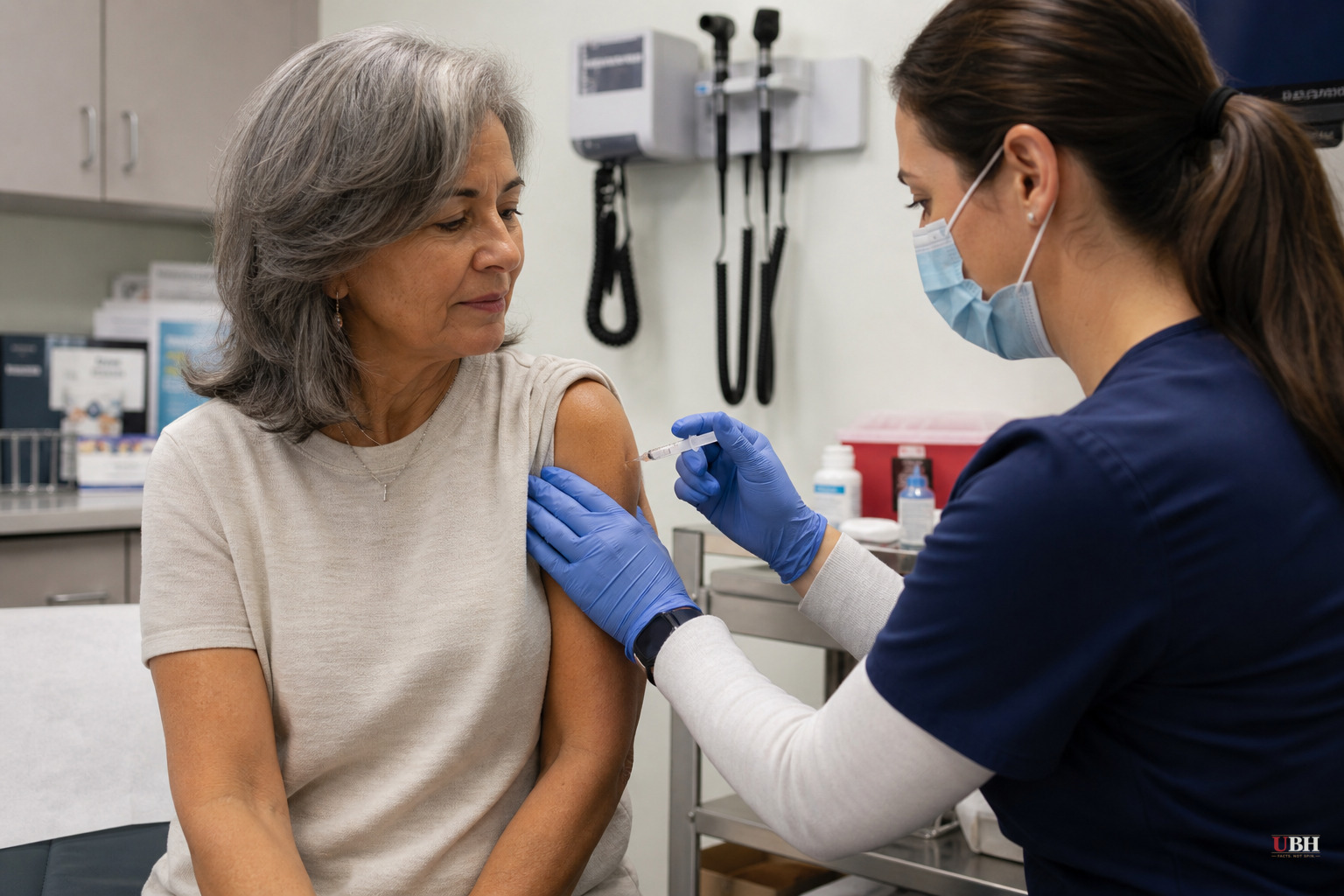
The FDA approved Moderna's mFLUSIVA on Wednesday, making it the first mRNA-based flu vaccine cleared for use in the United States. It's approved for adults 50 and older, with full approval for the 50-64 age group and accelerated approval for those 65 and up, according to Moderna's own statement and reporting from CBS News and Forbes.
Moderna says the shot will be available for the 2026-27 flu season.
The data behind it is solid. A phase 3 trial of nearly 41,000 people aged 50 to 64 found mFLUSIVA was about 26.6% more effective at preventing flu infection than a standard flu shot, per Forbes. In June, the FDA's independent vaccine advisory committee unanimously recommended approval for the 50-64 group, according to Forbes.
This vaccine almost didn't get reviewed at all. In February, the FDA refused to even file Moderna's application. That's not a rejection after review, but a refusal to look at the data in the first place. FDA vaccine director Dr. Vinay Prasad, a close ally of HHS Secretary Robert F. Kennedy Jr. and a longtime critic of COVID-19 vaccines, argued the 40,000-person trial should have compared the new shot against a different flu vaccine specifically recommended for seniors 65 and older, according to CBS News.
That's a legitimate scientific point to raise. Comparing against the right control group matters, and regulators are supposed to push back when trial design has gaps. But refusing to file the application entirely, rather than reviewing it and asking for more data, is a different move. It drew backlash from medical professionals and scientists, per Forbes.
About a week later, the FDA reversed course. FDA Commissioner Marty Makary said the initial refusal was just "part of a conversation that occurs with all drug makers," according to Forbes. Moderna revised its application, splitting the ask into full approval for 50-64 year-olds and accelerated approval for 65-plus, and agreed to run an additional study on older adults, CBS News reported.
That compromise is the reason mFLUSIVA exists as an approved product today instead of a dead application. Moderna did the work Prasad demanded. The independent advisory panel signed off unanimously. The FDA followed its own process from there.
This whole episode sits inside a bigger fight. Kennedy, who has spent years attacking mRNA vaccine technology, canceled roughly $500 million in contracts and grants for mRNA vaccine development last year, according to Forbes, including 22 mRNA vaccine development projects, per CBS News. HHS described it as a "coordinated wind-down" of mRNA work under the Biomedical Advanced Research and Development Authority.
The approval of mFLUSIVA didn't happen because HHS leadership got more comfortable with mRNA technology. It happened because Moderna ran a massive trial, produced results an independent panel couldn't ignore, and revised its application to satisfy a specific technical objection. The system worked, but only after an unusual detour where the agency's own vaccine director tried to keep the data from even being reviewed.
There's a fair question buried in Prasad's original objection, separate from how it was handled. Comparing a new vaccine against the best available option, not just any available option, is a real scientific standard, and critics of accelerated vaccine approvals have long argued regulators sometimes let companies pick easy comparators to inflate effectiveness claims. That's not an unreasonable thing for a skeptical regulator to flag. The problem here is the mechanism: a refusal-to-file blocks review altogether rather than triggering a request for more data, which is the more standard path.
Moderna CEO Stéphane Bancel called the approval validation of "the ongoing potential of our mRNA platform," according to Forbes. The accelerated approval for adults 65 and older isn't permanent. Moderna's follow-up study will determine whether that approval becomes full approval or gets pulled. That data, along with how many providers actually stock mFLUSIVA for seniors this fall, is the next thing worth watching.
Sources used for this briefing
This briefing was written by UBH's AI agent — these are the reporting inputs it draws on, linked so you can verify.


