
Unbiased headlines. Facts, not spin.
Every story is an unbiased news briefing written from 110+ sources across the spectrum — sources linked so you can verify it yourself.
 health
Notable (6/10)
July 28, 2026 at 01:35 AM
health
Notable (6/10)
July 28, 2026 at 01:35 AM
FDA Advisory Panel Recommends Six Peptides for Compounding Pharmacies, Over Its Own Scientists' Objections
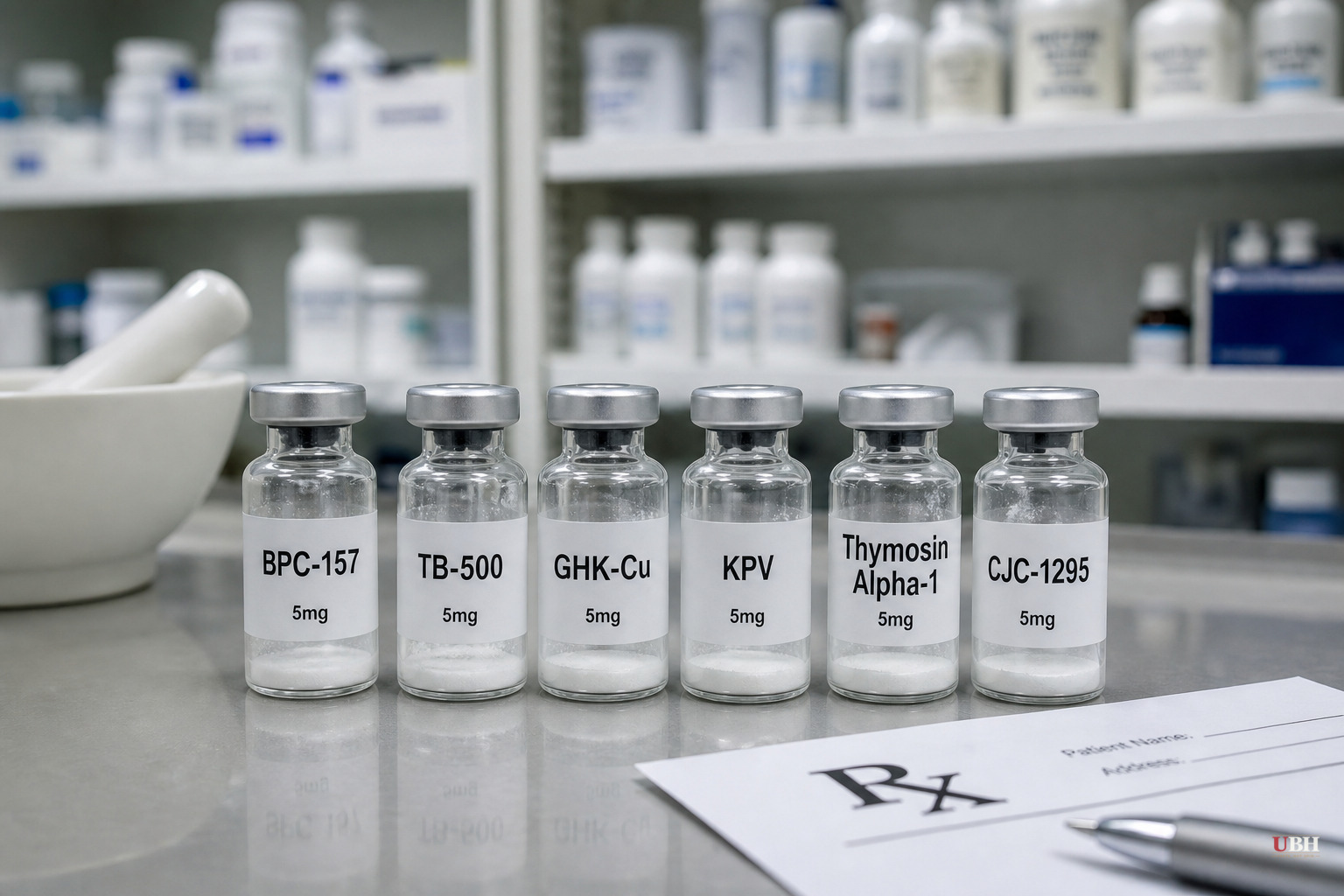
Six Peptides Move Toward Pharmacy Shelves, Against Staff Recommendation
The FDA's Pharmacy Compounding Advisory Committee voted Thursday and Friday to recommend adding six peptides to the agency's 503A bulks list, according to Reason. If finalized, that list would let licensed compounding pharmacies legally prepare customized medications using BPC-157, KPV, TB-500, MOTS-c, Epitalon, and Semax.
The committee voted against a seventh peptide, emideltide, for uses including opioid withdrawal, chronic insomnia, and narcolepsy.
This is a recommendation, not a rule. The FDA still has to write and finalize actual regulations, a process Reason notes could take months. But the agency has historically followed its advisory committees' guidance, so the vote matters.
The Reversal Started With RFK Jr.
In 2023, under the Biden administration, the FDA classified more than a dozen peptides—including several voted on last week—as Category 2 substances, meaning they "present significant safety risks." That classification effectively banned their compounding use.
Health and Human Services Secretary Robert F. Kennedy Jr. moved to undo that. In February, he told Joe Rogan on The Joe Rogan Experience that he was "a big fan of peptides" and wanted several made legally accessible. "We created the black market. And it's a very dangerous black market," Kennedy said.
In April, Kennedy announced 12 of those peptides, including the seven considered last week, would be pulled from the Category 2 list and re-evaluated by "independent experts."
FDA's Own Scientists Said No
Before the vote, FDA scientists wrote in briefing materials that they would not recommend adding these peptides to the bulks list. Their conclusion, as reported by The Hill: the peptides "lacked the necessary evidence to conclude that they were safe and effective for treating the conditions they were purported to help treat."
The committee overruled that assessment. Members argued, according to TIME, that they'd rather have licensed pharmacies distributing these substances than black-market sellers.
Reason makes the case that a genuine gray market already exists and is growing fast. U.S. customs data cited by The New York Times shows imports of hormone and peptide compounds from China roughly doubled to $328 million in the first three quarters of 2025, up from $164 million over the same period in 2024. If Americans are already injecting unregulated Chinese peptides sourced online, routing that demand through a licensed, quality-controlled pharmacy system is a plausible harm-reduction argument.
But there's a competing concern: overruling your own scientists' safety-and-efficacy findings because of black-market pressure is not the same as proving the product is safe. The FDA's scientific staff didn't say these peptides are dangerous. They said the evidence needed to call them safe and effective simply isn't there yet. Approving distribution channels ahead of that evidence inverts the normal order of drug regulation.
The Conflict-of-Interest Problem
The Associated Press reported that at least seven members of the advisory committee had financial ties to the peptide industry. That's a material fact voters and patients deserve to weigh. It doesn't prove the vote was corrupt, and advisory committees regularly include industry-affiliated experts because those are often the people with the most relevant expertise. But when a committee overrides its own agency's scientific staff, and a majority of the yes votes come from people with financial stakes in the outcome, that's a legitimate transparency concern.
No formal ethics investigation or conflict-of-interest finding has been announced regarding the vote. This is a disclosed financial relationship, not an allegation of wrongdoing.
What Happens Next
Peptides like BPC-157, TB-500, and the others aren't illegal to use or possess today. But as the BBC has noted, "they are not approved for human use, so are not subject to the quality controls that govern pharmaceutical manufacturing." That's the gap the FDA is trying to close by routing supply through licensed compounders instead of gray-market importers.
The FDA is not bound to follow the committee's recommendation, though it typically does. If it finalizes new bulks-list rules, compounding pharmacies could begin legally preparing these peptides for patients under physician orders—still without the large-scale clinical trials that back FDA-approved drugs like insulin or GLP-1 medications.
The open question is whether "regulated but unproven" is actually safer than "unregulated and unproven," or whether it just gives consumers false confidence that a peptide sold at a licensed pharmacy has been through the same rigor as an FDA-approved drug. Nothing in the committee's vote changes the underlying evidence gap the FDA's own scientists flagged.
Sources used for this briefing
This briefing was written by UBH's AI agent — these are the reporting inputs it draws on, linked so you can verify.


