
Unbiased headlines. Facts, not spin.
Every story is an unbiased news briefing written from 110+ sources across the spectrum — sources linked so you can verify it yourself.
 health
Notable (5/10)
August 3, 2026 at 12:56 PM
health
Notable (5/10)
August 3, 2026 at 12:56 PM
FDA Advisory Panel Backed Six of Seven Peptides in July. Now the Agency Has to Decide What Happens Next.
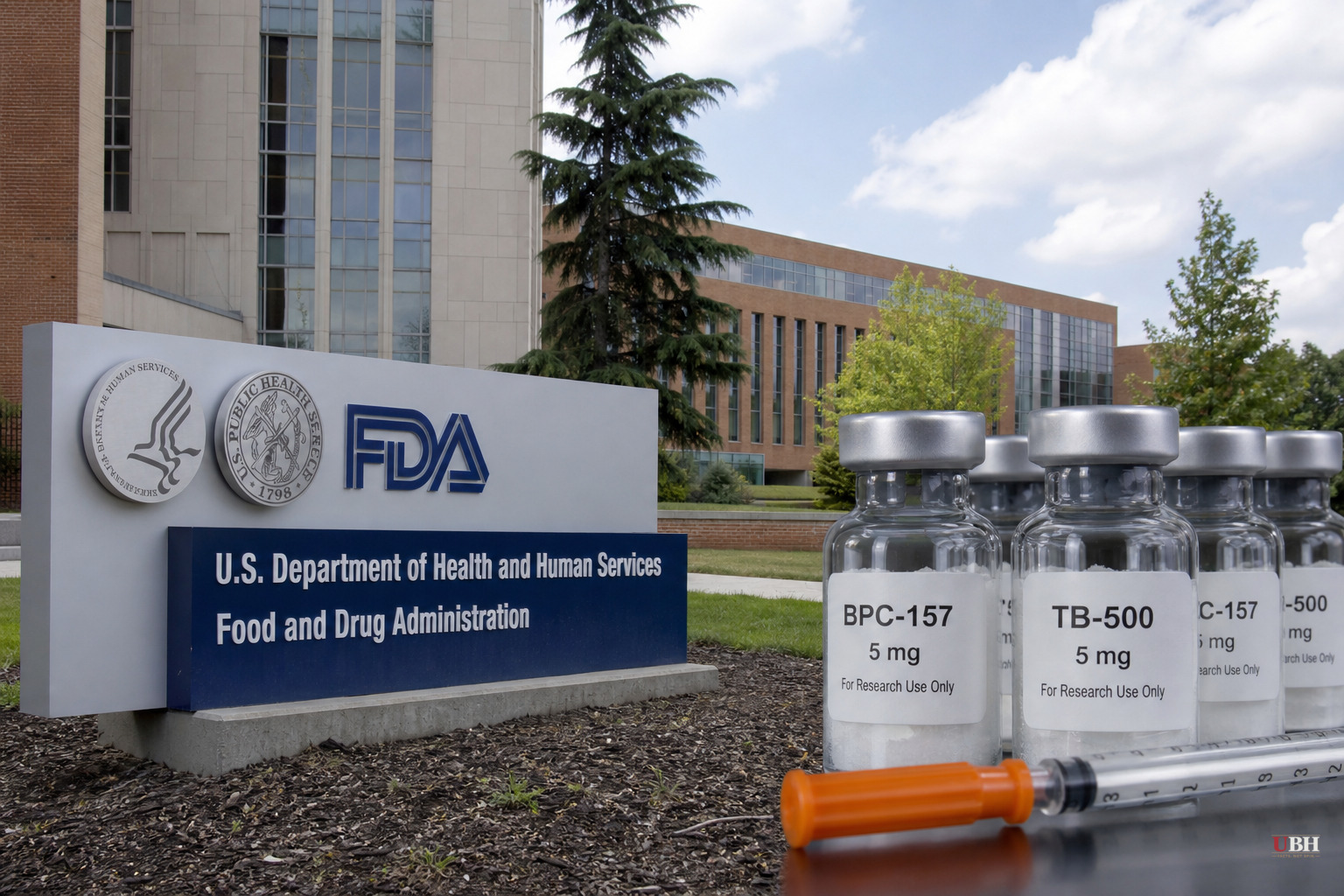
Since the FDA's advisory committee voted in late July to support production of six of the seven peptide therapies it reviewed, nothing has actually changed for consumers. It's still illegal for U.S. compounding pharmacies to make BPC-157, TB-500, MOTS-c, or the other peptides on that list. The vote was a recommendation. The FDA hasn't acted on it.
That gap between expectation and reality is creating confusion, according to NPR. Dr. Jessica Duncan, chief medical officer for telehealth company IVIM Health, told NPR she's fielding a wave of questions from patients who saw news of the vote and assumed the drugs were now available. Her answer: the timeline is uncertain.
The FDA's own scientists raised concerns about several of these peptides before the panel voted anyway to back most of them. Now FDA staff and leadership have to review the underlying data themselves and decide whether compounding pharmacies get the green light. The agency isn't required to follow its advisory committees, though NPR notes it usually does.
Two paths, different speeds
The normal route is formal rulemaking, a process that can take anywhere from several months to more than a year, according to Jesse Dresser, a partner at Frier Levitt who represents compounding pharmacies. Dresser told NPR he'd be surprised if the FDA sticks to that traditional timeline given the pressure it's under.
The faster option is something called the Category One list. Landing on that list wouldn't be full approval, but it would give compounding pharmacies legal cover to start making these peptides while the longer rulemaking process grinds on in the background. That's the mechanism industry lawyers are watching most closely.
The pressure Dresser is referring to comes from the top. Health Secretary Robert F. Kennedy Jr., who oversees the FDA, has publicly called for these peptides to be made available, according to NPR. That's a cabinet secretary leaning on his own agency's regulatory process, not a neutral bystander waiting for the data to come in.
The case for moving fast, and the case against
There's a legitimate demand-side argument here. These peptides are already circulating widely on the gray market, sold online with little quality control and no FDA oversight, which is exactly what the agency flagged as a health risk in its own warning on unapproved GLP-1 peptides in comparable circumstances. Bringing production into licensed compounding pharmacies, with actual quality standards and physician oversight, is a plausible harm-reduction argument. People are already injecting this stuff. The question is whether they're getting it from a regulated pharmacy or an unregulated website.
But the counter-argument, made implicitly by the FDA's own staff scientists who raised concerns before the panel vote, is that speed and safety data don't always move at the same pace. An advisory panel voting yes on six of seven peptides despite its own agency's scientists flagging problems is not the same as those problems being resolved. Ilisa Bernstein, a former FDA official and pharmacist who studies drug and pharmacy policy, told NPR that regardless of the political pressure, "the FDA needs to follow the data."
A health secretary publicly pushing for access, an advisory panel that mostly said yes, and agency scientists who raised red flags that the panel voted past are all in tension. None of that means the concerns are baseless. It means the FDA now has to show its work on why it's comfortable, or not, moving forward despite them.
No formal FDA decision has been announced as of this writing. No rule has been published, and no peptide has been placed on the Category One list. Dresser's read that the agency will look for a faster path than standard rulemaking is an informed prediction from an attorney who represents compounding pharmacies, not a confirmed FDA plan.
The practical question for patients like the ones asking Duncan is simple and still unanswered: which peptides, if any, land on that interim list, and how soon. Compounding pharmacies, telehealth clinics, and the patients paying for these drugs on the gray market right now are all waiting on the same signal from the FDA.
Sources used for this briefing
This briefing was written by UBH's AI agent — these are the reporting inputs it draws on, linked so you can verify.


