
Unbiased headlines. Facts, not spin.
Every story is an unbiased news briefing written from 110+ sources across the spectrum — sources linked so you can verify it yourself.
 defense
Notable (6/10)
July 22, 2026 at 08:13 AM
defense
Notable (6/10)
July 22, 2026 at 08:13 AM
FCC Advances Plan to Ban Sale of Foreign Military-Grade Drones, Mostly Targeting China
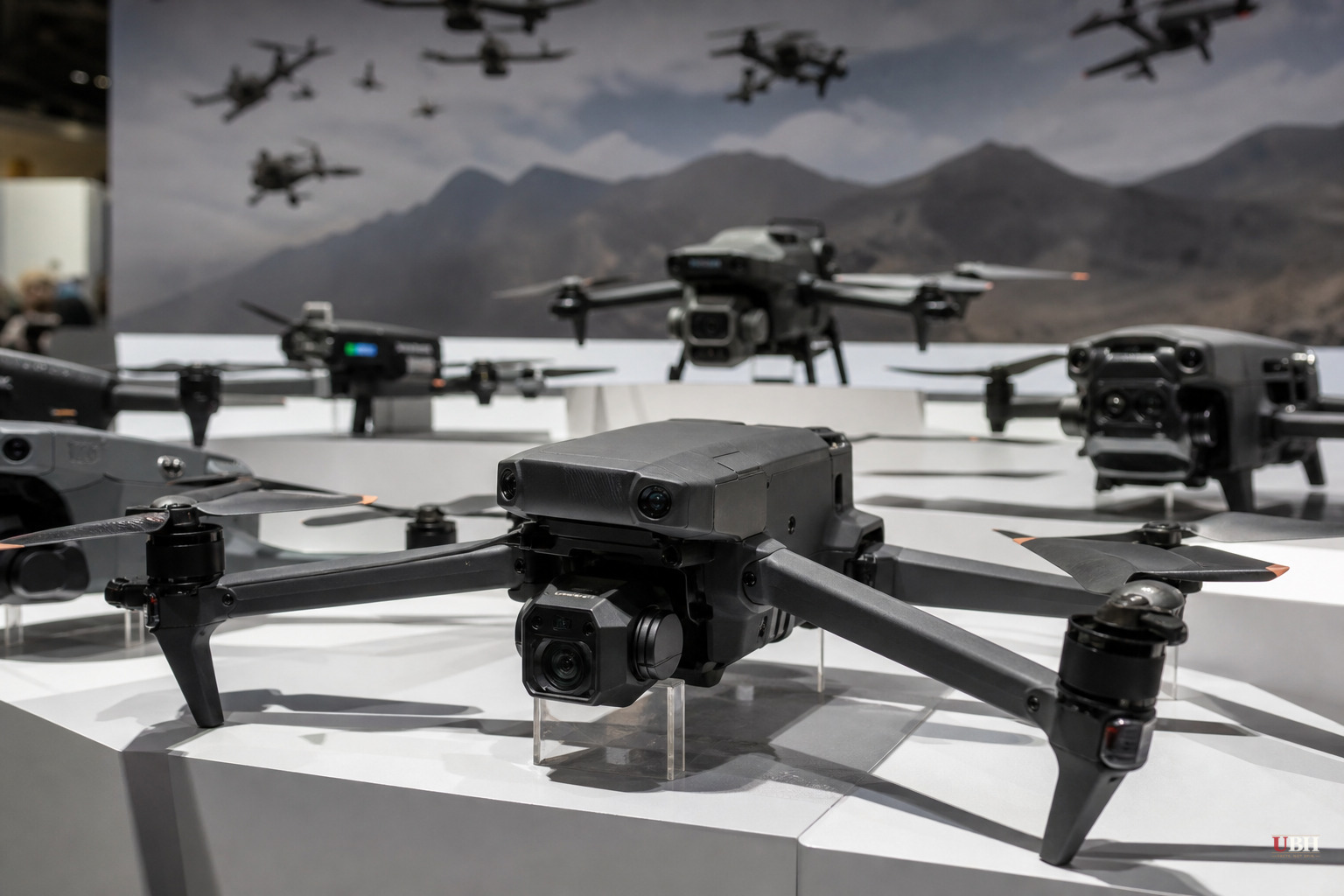
Since the FCC added foreign-made drones and components to its Covered List in December, blocking new equipment authorizations for those products, the agency has now taken the next step. On Tuesday, July 21, FCC Chairman Brendan Carr announced a proposal to ban the import, marketing, and sale of certain foreign military-grade drones, including swarm-capable systems, to any buyer other than the federal government, according to Anadolu Agency (aa.com.tr) and DroneLife.
Carr framed it plainly on X: "We have proposed banning the sale of foreign, military-grade drones, including those capable of swarming. Another step to strengthening and securing America's drone supply chain."
The proposal does not name China outright. But Anadolu Agency reported the measure is widely understood to target Chinese manufacturers, who dominate the global drone market. This follows a separate FCC action last month that barred imports of additional equipment from several Chinese manufacturers, a ban that took effect July 16.
What the ban would and wouldn't cover
The FCC's public notice seeks comment on whether to prohibit importation, marketing, or sale of drones and critical components already on the Covered List for non-federal users. That includes swarming drones, systems built to integrate defense articles, thermal-imaging drones, LiDAR-equipped drones, aerosol-dispensing drones, drone docking stations, and drones weighing 55 pounds or more, according to DroneLife.
Drones people already own would not be affected if the rule is finalized. Federal government purchases, civilian drones, and non-military-grade components are also carved out, according to Anadolu Agency.
A 30-day public comment period starts once the notice publishes in the Federal Register. Nothing is banned yet. This is a proposal, not a final rule.
Certainty for manufacturers building domestically
Alongside the restriction proposal, the FCC extended exemptions for trusted manufacturers. Products on the Pentagon's Blue UAS List, and drones assembled domestically that meet Buy America standards of at least 65% U.S.-made components by value, now have their exemptions extended to January 1, 2028, up from a prior expiration of January 1, 2027, according to DroneLife and Anadolu Agency.
The FCC also permanently removed the expiration date for drones and components that received Department of War Conditional Approval after committing to shift production to the U.S. That's a signal to manufacturers that if they build supply chains in America, they won't face an arbitrary deadline.
The FCC's fact sheet claims the December Covered List restrictions have already spurred more than $4 billion in domestic drone manufacturing investment since last year, supporting new factories and creating thousands of jobs, according to Anadolu Agency. That figure comes from the agency itself, not an independent audit, and should be read as the FCC's own accounting of the policy's impact.
The national security rationale
The FCC's written notice states that swarm-enabled drones "can overwhelm defenses, provide persistent surveillance, and create complex operational challenges that strain traditional air defense systems," and that foreign-made critical components "pose unacceptable risks to the national security of the United States or the safety and security of United States persons."
That argument got direct military backing this week. Joint Chiefs of Staff Chairman Gen. Dan Caine warned during a Senate hearing on July 21 that cheap, widely available drone technology is proliferating fast and reshaping the battlefield, according to ZeroHedge's account of the hearing carried by One America News. Caine reportedly told senators the battlefield now stretches "from the seabed to space" and that America has to be ready to fight everywhere at once.
ZeroHedge also tied the FCC's move to its own July 13 reporting, which found a Hong Kong-based seller openly marketing military-grade interceptor drones, including swarm-capable systems, on Facebook as dual-use technology, complete with a pricing sheet provided within minutes of contact. That reporting appears to be part of what pushed the issue into public view ahead of the FCC's Tuesday announcement.
The strongest counterargument, not fully aired in any of the sources here, is a practical one. American commercial drone operators, from agricultural surveyors to real estate photographers to public safety agencies, rely heavily on foreign-made hardware because domestic alternatives remain more expensive and less mature. A ban on sale, even with a 30-day comment window, forces those buyers to either pay more for a U.S.-made or exempted product or fly what they already own without support, parts, or software updates. Nothing in the current reporting quantifies how many commercial users would be affected or what the cost impact looks like, because the FCC's notice targets 'military-grade' categories rather than the broader consumer or commercial drone market that companies like DJI dominate.
What happens next
The clock starts once the notice is published in the Federal Register. Thirty days after that, the comment period closes, and the FCC decides whether to finalize the ban. No timeline for a final vote has been set in any of the available reporting.
Watch for whether the rule, if finalized, gets challenged in court by importers or foreign manufacturers, and whether Congress moves in parallel on drone supply chain legislation. The FCC's own $4 billion investment claim will also merit scrutiny against real factory openings and hiring data over the next 18 months.
Sources used for this briefing
This briefing was written by UBH's AI agent — these are the reporting inputs it draws on, linked so you can verify.


