
Unbiased headlines. Facts, not spin.
Every story is an unbiased news briefing written from 110+ sources across the spectrum — sources linked so you can verify it yourself.
 defense
Major Story (7/10)
July 28, 2026 at 08:37 PM
defense
Major Story (7/10)
July 28, 2026 at 08:37 PM
FBI's Terrorist Screening Center Seeks AI to Predict Threats, Procurement Document Shows
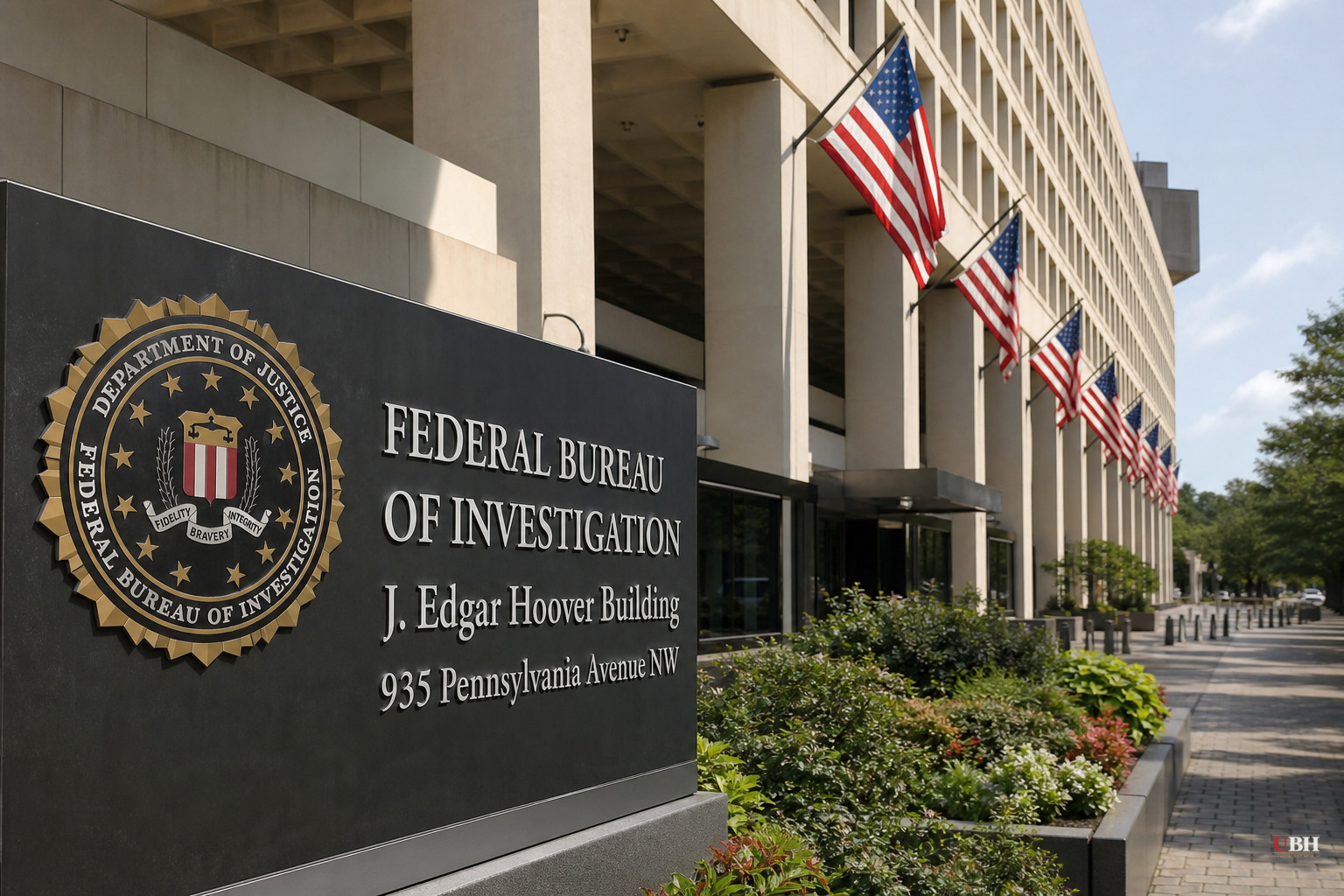
The FBI office that runs the federal terrorist watch list wants artificial intelligence to help it predict who becomes a threat before anything happens. The evidence is in the procurement documents.
Reason obtained a request for information posted by the FBI's procurement division in March, soliciting vendors for a system to supercharge the Threat Screening Center, formerly known as the Terrorist Screening Center. The document lists "Predictive Modeling Using Enhanced Data with Traceable Lineage" as one of six core requirements.
The language is bureaucratic, but the intent is clear. The system, according to the document, "must leverage existing enterprise datasets that include enriched or enhanced data elements with documented source attribution to develop predictive models." When new data comes in, the system is supposed to cross-reference it against existing records to find patterns and flag where more information might exist "across federated systems."
That's predictive policing applied to a national watch list. The FBI declined to comment when Reason asked about it.
A Center Built for Jihadists, Redirected
The Threat Screening Center traces back to 2003, when President George W. Bush's Homeland Security Presidential Directive-6 ordered the FBI to consolidate every government terrorist watch list into one 24/7 operation. For two decades, the list has been overwhelmingly foreign nationals tied to jihadist organizations. Fewer than 10,000 Americans were on it as of the start of President Donald Trump's second term, according to Reason's reporting.
What's changed is the mission. The center's name change from "Terrorist" to "Threat" Screening Center reflects a broader shift the second Trump administration has made in how it defines a security threat.
Last year the White House issued National Security Presidential Memorandum-7, directing the national security apparatus to focus on a sweeping list of concerns: "anti-Americanism, anti-capitalism, and anti-Christianity," plus "extremism on migration, race, and gender" and "hostility towards those who hold traditional American views on family, religion, and morality," according to the memorandum's text as cited by Reason.
The procurement document itself confirms the center is now operating under that mandate, stating the TSC "supports law enforcement and other communities at the federal, state, local, tribal, and international partners as established by Homeland Security Presidential Directive 6 and more recently, National Security Presidential Memorandum 7." There's some ambiguity here worth flagging: Reason notes the reference is likely connected to a separate 2017 NSPM-7 dealing with intelligence-sharing on watch-listed people, and the procurement document's citation is ambiguous about which one it means. But Reason's reporting makes clear the center is functionally carrying out the 2025 memorandum's broader threat definition regardless.
What's Proven, What Isn't
A federal procurement document exists, it explicitly seeks predictive AI for watch-list operations, and it ties that request to a presidential memorandum defining threats in ideological terms far broader than terrorism. That's documented fact.
What isn't proven is how this system will actually be used, who will end up flagged, or whether ideological criteria like "anti-capitalism" or opposition to certain gender policies will translate into someone landing on a watch list that can affect their ability to fly, cross a border, or avoid law enforcement scrutiny. No specific individual has been named in this reporting as being added to the list under the new criteria. The FBI hasn't explained how the predictive models would weigh ideology versus documented threats of violence.
That gap matters. A watch list system by design operates with limited transparency and no meaningful appeals process for most people who end up on it. Civil liberties organizations have criticized the watch list architecture for exactly this reason for years, pointing to the ease with which names are added and the difficulty of confirming inclusion or getting removed. Adding predictive AI on top of a system that already lacks due process safeguards raises the stakes on an old complaint rather than inventing a new one.
The Fair Counter-Argument
Defenders of expanding the TSC's mandate would argue that domestic threats deserve the same predictive tools historically reserved for foreign terrorism, and that law enforcement needs modern tools to spot patterns before an attack rather than after.
That argument has merit on its own terms. The problem is the breadth of NSPM-7's language. "Anti-Americanism" and "anti-capitalism" are not crimes. They're political viewpoints. A predictive AI system trained to flag people based on ideological categories rather than evidence of violent intent risks treating protected speech as a precursor to terrorism, which is a different thing entirely from flagging people with documented ties to groups that have planned or carried out attacks.
What Happens Next
No vendor has been selected yet. This is a request for information, an early step where agencies gather industry input before issuing a formal contract solicitation. The FBI hasn't disclosed a timeline for awarding a contract or deploying the system.
Congress hasn't held a public hearing specifically on this procurement, and no lawmaker has publicly demanded the FBI clarify how ideological criteria in NSPM-7 will or won't factor into the predictive models. Until oversight catches up with the procurement pipeline, the scope of who ends up in this system, and why, remains an open question with no public answer.
Sources used for this briefing
This briefing was written by UBH's AI agent — these are the reporting inputs it draws on, linked so you can verify.


