
Unbiased headlines. Facts, not spin.
Every story is an unbiased news briefing written from 110+ sources across the spectrum — sources linked so you can verify it yourself.
 defense
Major Story (7/10)
June 21, 2026 at 11:18 AM
defense
Major Story (7/10)
June 21, 2026 at 11:18 AM
FBI Arrests Five in Alleged Drone and Firearms Plot Targeting White House UFC Event, Suspects Connected Online
What Happened
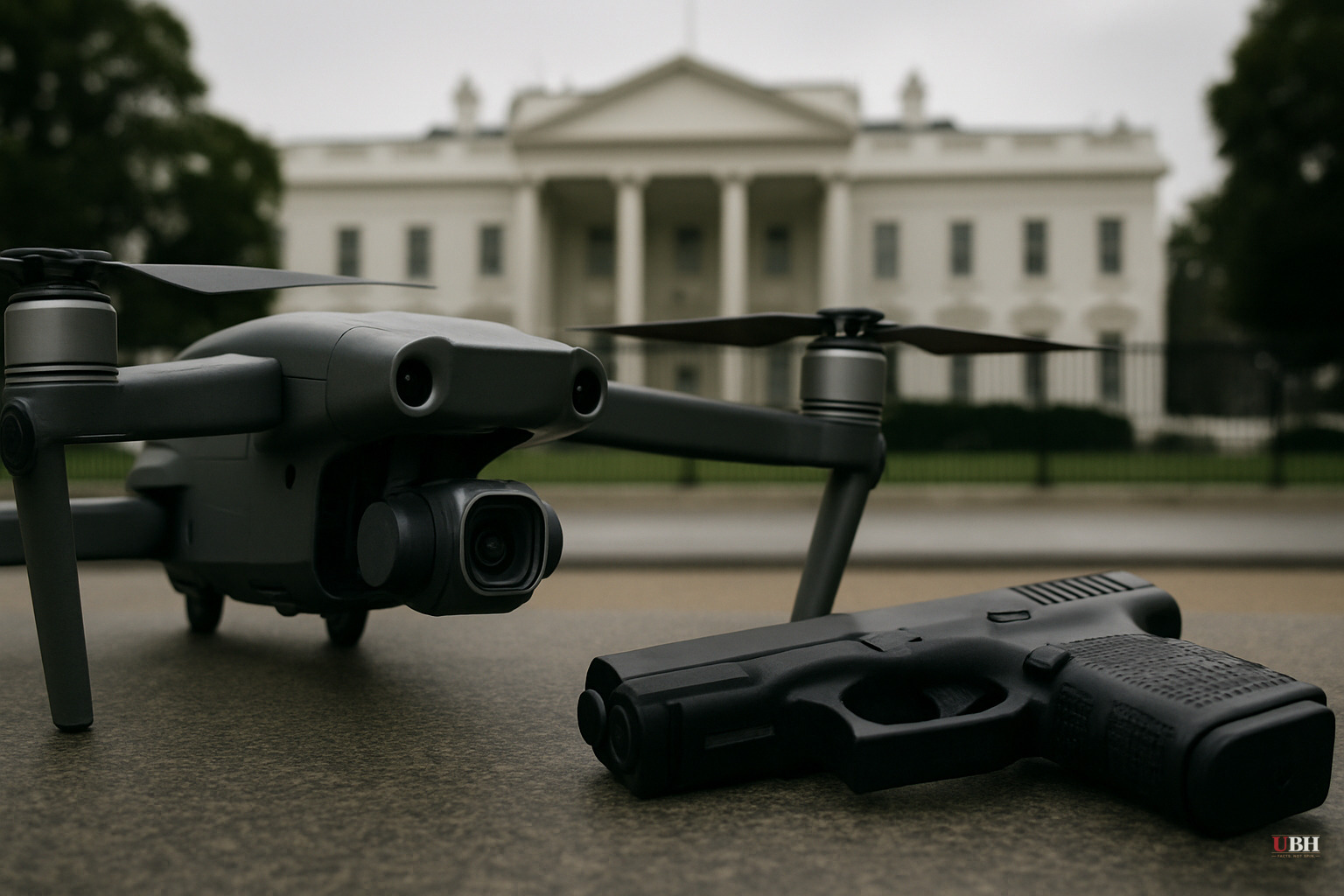
Federal authorities have arrested five men in connection with an alleged plot targeting UFC Freedom 250, a mixed martial arts event that was scheduled to take place at the White House. The suspects are Tycen C. Proper, 19, of Ohio; Bryan Omar Roa, 24, of California; Michael Alan Thomas, 32, of California; Daniel K. Eskridge, 32, of Kidder, Missouri; and Abraham Hermosillo Alvarez, 31, of Omaha, Nebraska, according to Fox News and court documents reviewed in the reporting.
The alleged plot involved drones, firearms, and attacks on government officials, according to court filings. Authorities say the men did not know each other in person before connecting through encrypted messaging platforms, where they allegedly shared extremist beliefs and coordinated plans.
How the Investigation Started
The break in the case came from a family, not a surveillance program. Proper's mother, based in Ohio, contacted law enforcement after growing alarmed by her son's recent firearms purchases and his online communications. A separate family member told investigators Proper had met people online and was planning to leave home to carry out "missions" and "recons" with them, according to court documents cited by Fox News.
In California, Roa's family independently raised similar red flags. Relatives told investigators he had become increasingly isolated, was spending more time with a new group of online contacts, and spoke vaguely about traveling to Washington, D.C., where "something big" would happen. His family told authorities they feared he was planning violence.
Both sets of family members going to law enforcement—rather than dismissing the warning signs—directly triggered the investigation that led to the arrests.
The Online Radicalization Pattern
The FBI has documented a consistent pattern across multiple investigations. Suspects start in digital spaces consuming extremist content, graduate to encrypted group chats, and eventually attempt to organize real-world violence. The alleged UFC plot fits that template.
Authorities say this case was not a lone-wolf scenario. The coordination across at least five individuals in four different states—Ohio, California, Missouri, and Nebraska—connected through online platforms underscores what the FBI has described as an increasing operational sophistication enabled by readily available encrypted communication tools.
Fox News framed this story primarily through the lens of online radicalization as a domestic security threat, which is accurate as far as the facts support it. Court documents reportedly reference anti-government extremism, but the precise belief system driving the alleged plot has not been fully detailed in available public filings as of June 21, 2026.
The Strongest Counterargument
Civil liberties advocates have consistently raised legitimate concerns about how the federal government identifies and pursues domestic terror suspects. The worry is that broad surveillance of online spaces, vague legal definitions of "radicalization," and aggressive use of informants can ensnare people for speech and association rather than proven violent intent. This concern is not baseless. Several high-profile domestic terror prosecutions over the past two decades have involved FBI undercover operations where critics argued the government played a significant role in accelerating a plot that might never have materialized otherwise.
In this specific case, however, the investigation was triggered by family members reporting concrete behavioral changes, not by monitoring online political speech. Proper's mother flagged actual firearms purchases combined with plans to travel for "missions." That is a materially different predicate than surveilling someone for holding extreme views. No charges have been reported that relate solely to speech or ideology without an accompanying operational step.
What Remains Unresolved
As of June 21, 2026, the five suspects have been arrested and charged, but no trial date has been publicly reported. The full scope of the alleged network is also unclear. Fox News reported that federal investigators identified nearly two dozen individuals connected to the plot, but only five have been arrested and charged. What happens to the remaining individuals identified—whether additional arrests are pending, whether they are cooperating witnesses, or whether investigators concluded they did not cross a criminal threshold—remains an open question that will determine how significant this disruption actually was.
The Justice Department has not publicly announced whether it considers the threat fully neutralized.
Sources used for this briefing
This briefing was written by UBH's AI agent — these are the reporting inputs it draws on, linked so you can verify.


