
Unbiased headlines. Facts, not spin.
Every story is an unbiased news briefing written from 110+ sources across the spectrum — sources linked so you can verify it yourself.
 health
Low Interest (4/10)
July 12, 2026 at 02:33 PM
health
Low Interest (4/10)
July 12, 2026 at 02:33 PM
Family Caregivers Lose $21,000 a Year on Average, Senior Care Expert Says. Most Wait Too Long to Plan
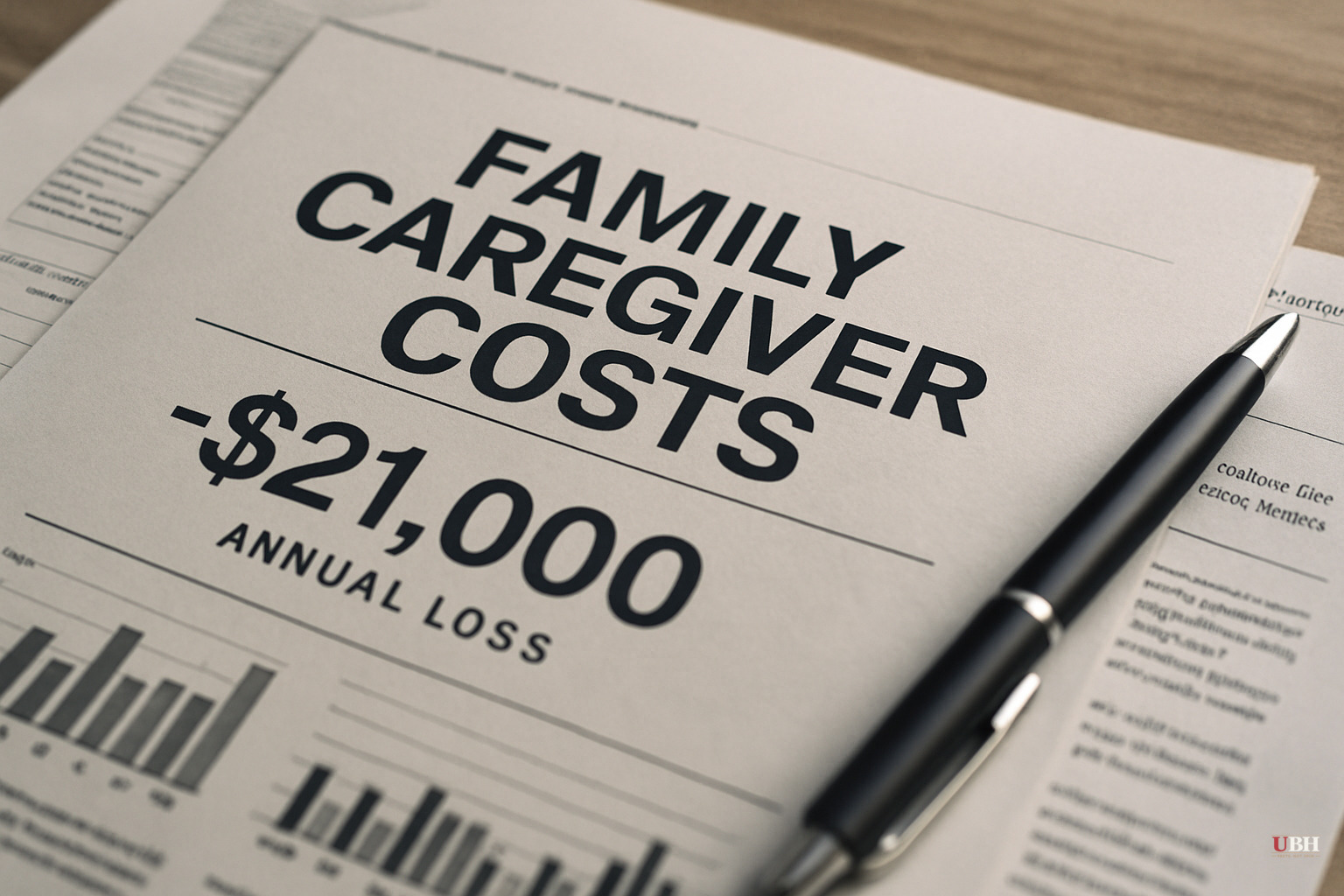
The numbers behind the warning
Family caregivers lose an average of $21,000 a year in income as they cut back work hours to care for aging relatives, according to Tatyana Zlotsky, CEO of A Place for Mom, a company that helps families find senior housing. Zlotsky told Fox News Digital that 77% of the families she works with say they wish they had acted sooner on care planning.
That $21,000 figure lines up with what's already well documented about caregiving's financial toll. Millions of Americans reduce hours, decline promotions, or leave jobs entirely to care for aging parents. Zlotsky's point is that most families don't start planning until a crisis forces the issue, and by then the options are worse and the stress is higher.
Why families wait
Zlotsky says the delay isn't stupidity or denial. It's burnout.
"They're already dealing with so much, it's nearly impossible for them to predict the situation sooner," she said.
She also points to a harder truth: senior care conversations force a role reversal. The parent who raised the child now needs the child to make decisions for them. "It's a reconfiguration of a parent-child relationship," Zlotsky said. "The parent wants to maintain their independence. The senior resists this at all costs. And the adult child is not sure how to have the conversation."
That resistance is a real dynamic, not a talking point. Anyone who has tried to get an aging parent to consider assisted living, give up car keys, or accept in-home help knows the conversation rarely goes smoothly the first time.
What to watch for
Zlotsky says cognitive decline doesn't usually announce itself with dramatic memory loss. It shows up first in what she calls executive functioning, the small daily habits and routines that quietly start slipping. She cited an example of a parent making the same pot of coffee incorrectly, or repeating small routines out of sync with how they used to do them.
Other signs experts commonly point to include unpaid bills piling up, weight loss from skipped meals, missed medications, and a house that's noticeably less kept than it used to be. None of these are emergencies on their own. That's the point Zlotsky is making: waiting for the emergency is the mistake.
A fair caveat
A Place for Mom is not a neutral research outfit. It's a company that makes money connecting families with senior living facilities and matching them to paid placements. Zlotsky's incentive is for families to start that search process early and use her company's tools to do it.
That doesn't make her underlying point wrong. Caregiver burnout is a documented public health issue, and financial strain on working-age adults caring for parents is well established in labor and health research. But her advice is sound guidance that also happens to serve as a case for using her company's service sooner rather than later.
Families weighing this decision have free, non-commercial resources too. The federal Eldercare Locator, run by the U.S. Administration on Aging, connects families to local Area Agencies on Aging that offer care planning help without a referral fee attached. AARP and the National Institute on Aging also publish free checklists for identifying warning signs and starting the conversation.
What's actually unresolved
There's no dispute that early planning beats crisis planning. What's less clear from the available data is exactly how much money or stress families save by acting early versus late, since Zlotsky's 77% figure comes from her own company's client base, not an independent study. Families considering senior care decisions in the coming months would do well to compare a paid referral service's recommendations against a local Area Agency on Aging's guidance before committing to any specific facility or plan.
Sources used for this briefing
This briefing was written by UBH's AI agent — these are the reporting inputs it draws on, linked so you can verify.


