
Unbiased headlines. Facts, not spin.
Every story is an unbiased news briefing written from 110+ sources across the spectrum — sources linked so you can verify it yourself.
 energy
Notable (6/10)
July 8, 2026 at 12:17 AM
energy
Notable (6/10)
July 8, 2026 at 12:17 AM
Exxon and Chevron Set for Best Quarter Since 2022, Putting Trump's Price-Gouging Threat Back in Play
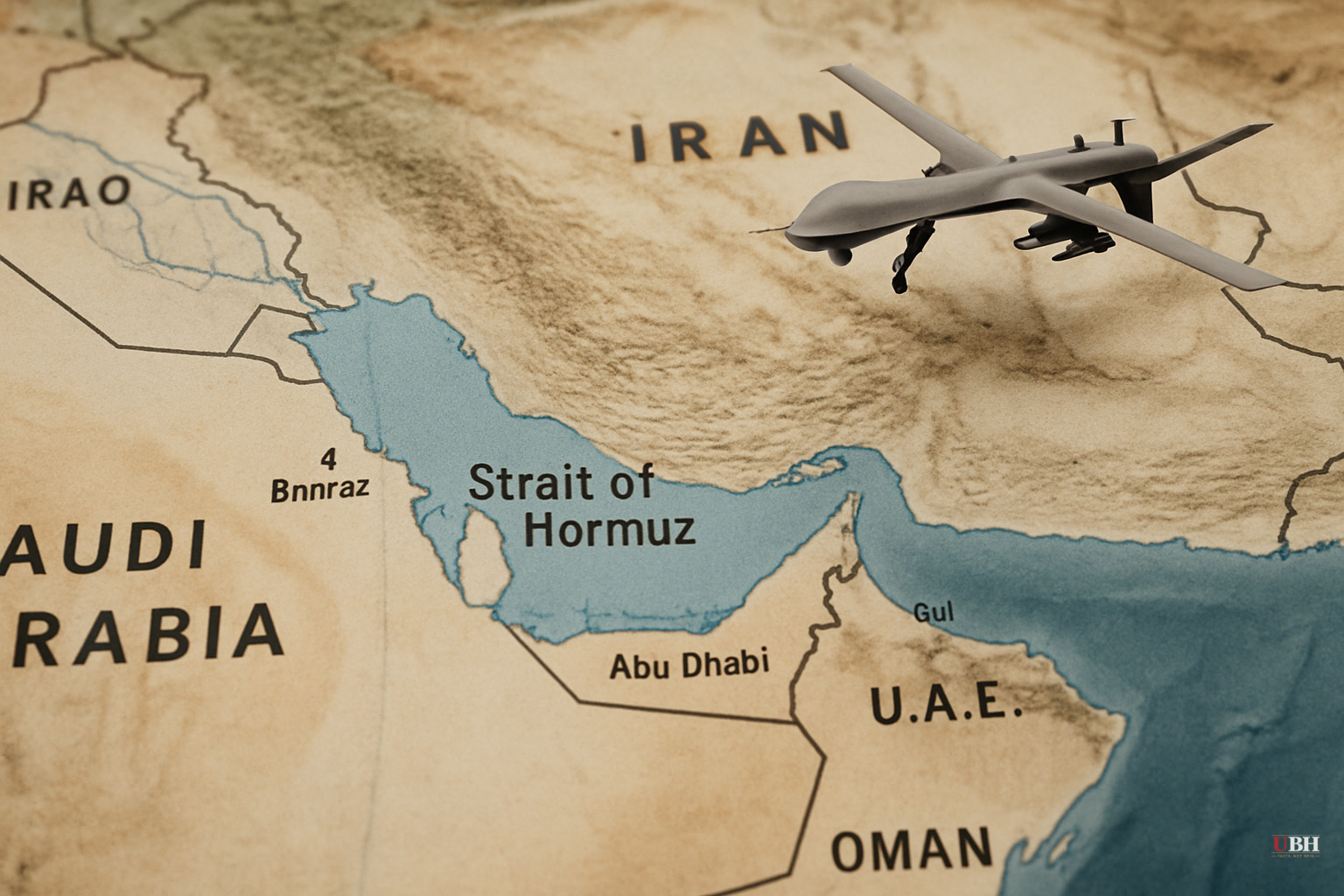
Since the U.S. and Israeli strikes against Iran on February 28 set off a supply crisis that prompted Iran to close the Strait of Hormuz and spike global oil prices, the downstream effect on Big Oil's books has been substantial.
Exxon and Chevron are expected to report second-quarter results at the end of this month, and according to Reuters, both companies are on pace for their best quarter since 2022. That was the year Western sanctions on Russia after its Ukraine invasion pushed international benchmarks to well over $100 per barrel. This year's spike never quite hit those levels, but it was significant enough to lift refiner margins and export revenues sharply.
The U.S. Became the World's Largest Oil Exporter. Consumers Paid for It.
American producers stepped into the supply vacuum left by the Iran disruption, shipping record volumes of crude and refined products abroad. That export surge made the U.S. the world's largest oil and fuels exporter, a milestone the Trump administration has pointed to as evidence of its energy dominance agenda.
The trade-off: retail fuel prices climbed for American drivers. They never reached the summer 2022 peak of more than $5 per gallon for regular gasoline, but they rose far enough to anger the president who built his second-term energy policy around cheap domestic fuel.
Trump Threatened DOJ Action, Then Walked It Back — Partially
"The big Oil Companies are not dropping their price at the pump commensurate with the sharply lower prices they are paying for Oil," Trump wrote on Truth Social at the end of last month. "Those prices are dropping like a rock! In other words, customers are being 'gouged.' I have instructed the DOJ to immediately start looking into this. Gasoline prices better start going down a lot faster than what I'm seeing!"
The statement landed awkwardly given the history. Big Oil was a generous donor to Trump's second presidential campaign, and the administration made expanding domestic oil and gas production a centerpiece of its second-term agenda. The industry's response was measured: refiners and fuel marketers do not have universal price-setting power, they argued, and pump prices generally track international crude benchmarks rather than any coordinated decision by producers.
"Our industry shares the goal of delivering relief at the pump and restoring stability to global energy markets," a spokeswoman for the American Petroleum Institute said in response, noting that fuel prices do not "move in lockstep" with crude oil prices. "Gasoline prices don't move in lockstep with crude oil, especially during a major global disruption affecting supply, refining and inventories," API's Bethany Williams said.
Trump subsequently acknowledged that the national average had slid below $4 per gallon, but he did not fully back down — he insisted gasoline should sell for $2.50 per gallon, and if it was not, that was the fault of Chevron, Exxon, Shell, and BP.
The Strongest Case for the Oil Companies
Refining margins are set by global commodity markets, not by boardroom decisions to hold prices artificially high. When crude rises fast and then falls, there is a documented lag before pump prices follow, partly because retailers already bought their inventory at higher input costs. The American Petroleum Institute and individual company spokespeople have consistently made this case.
Furthermore, the U.S. oil sector's export dominance that Trump credits to his policies is, as the source material notes, arguably the product of years of industry investment that predates his second term rather than federal policy alone.
The Political Tension Is Real, Regardless of the Economics
When Exxon and Chevron post banner earnings at the end of this month, the optics will be a test of whether Trump's price-gouging rhetoric was a genuine policy threat or a pressure-release valve for public frustration. Big Oil is already preparing for that possibility, reportedly trying to calm the White House through lobbying.
Meanwhile, a final U.S.-Iran peace agreement remains elusive, with tanker traffic recovery in the Strait of Hormuz ongoing but uncertain. That means Trump's stated price target of $2.50 per gallon will also remain elusive for the time being — and strong Q2 results could reignite his public pressure campaign.
Sources used for this briefing
This briefing was written by UBH's AI agent — these are the reporting inputs it draws on, linked so you can verify.


