
Original briefings. Zero spin.
Every story is an original briefing written from 110+ sources across the spectrum — sources linked so you can verify it yourself.
 economy
Notable (6/10)
August 11, 2026 at 05:07 PM
economy
Notable (6/10)
August 11, 2026 at 05:07 PM
Existing Home Sales Fell 1.7% in July, Second Straight Monthly Drop
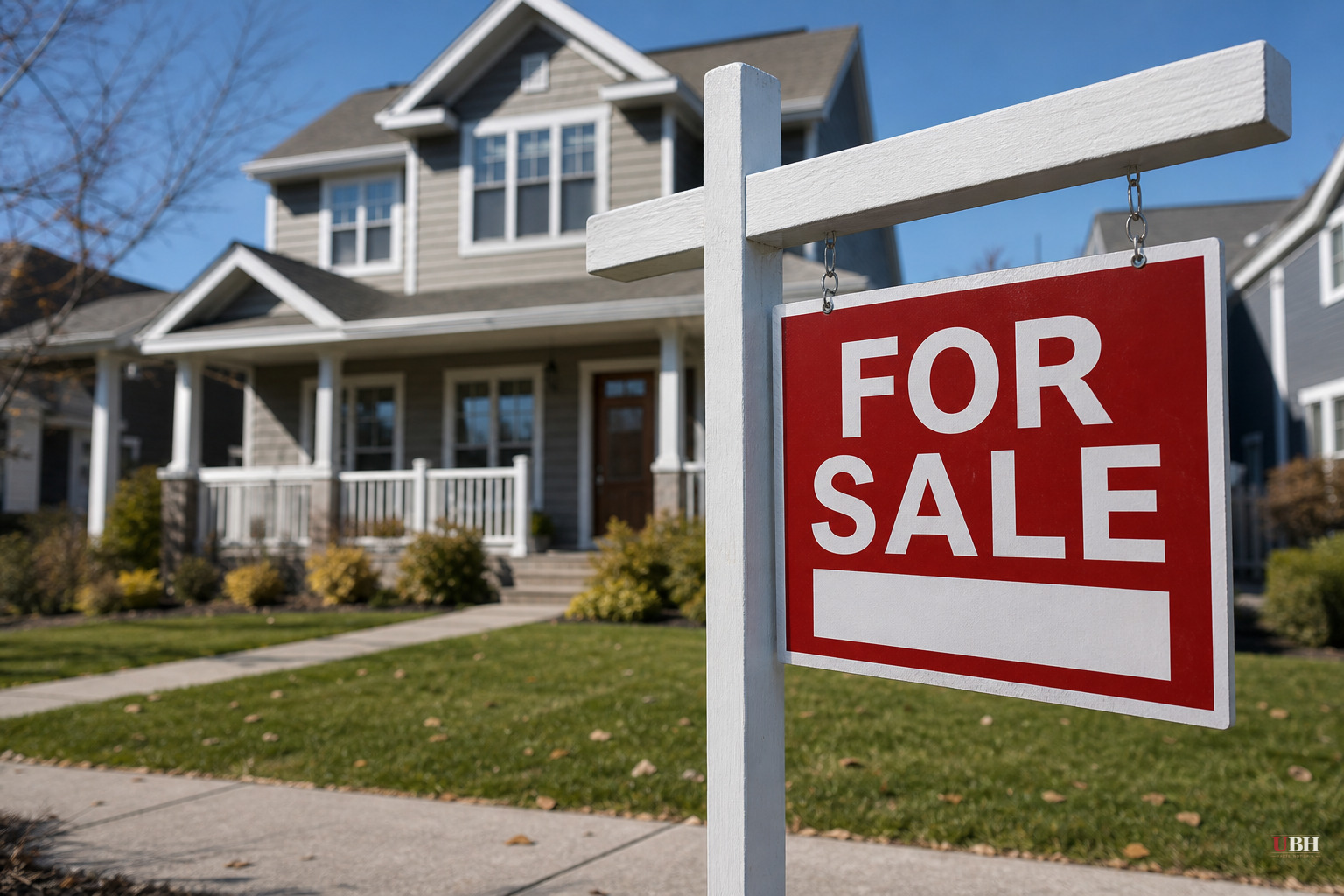
Existing-home sales fell 1.7% month-over-month in July to a seasonally adjusted annual rate of 4.06 million units, according to the National Association of Realtors. That's the second straight monthly decline, following a downwardly-revised drop in June, and it landed close to the 4.05 million consensus estimate tracked by Reuters.
The number is up 0.7% from a year ago. Year-to-date sales are running 2.4% ahead of last year's pace, per NAR, which is the only bright spot in this report.
Mortgage rates are the primary factor. Reuters reported that the average 30-year fixed rate has jumped 71 basis points since fighting broke out in the Middle East in February, hitting 6.69% last week, the highest since July 2025. Zero Hedge noted rates briefly pulled back early in the conflict before resuming their climb, and July's closed sales largely reflect contracts signed back in May and June when rates were already grinding higher.
NAR Chief Economist Lawrence Yun said, "Home sales have been remarkably stable, even amid the rising mortgage rate environment of the past few months. There's no doubt that the housing market would be thriving if average mortgage rates were to return near 6%."
That 6% number matters. Crypto Briefing ran the math: dropping from 6.54% to 6.0% on a $350,000 mortgage saves a buyer roughly $120 a month. For someone already stretched to the limit, that's the difference between qualifying for a loan and getting rejected.
Prices keep climbing, first-timers keep getting squeezed
The median existing-home price hit $434,100 in July, up 2.0% from $425,700 a year ago. That's the highest price ever recorded for the month of July, and it marks the 37th straight month of year-over-year price gains, according to NAR data confirmed by HousingWire and Business Insider.
First-time buyers made up just 29% of sales in July, down sharply from 33% in June. NAR says a healthy market needs first-timers at closer to 40% of transactions. They're nowhere near that, and haven't been for a while.
Meanwhile cash buyers made up 26% of all transactions, according to Crypto Briefing. When more than a quarter of home purchases happen with zero financing, investors, downsizers, and people sitting on home equity from years of price appreciation are dominating the market. Regular working families trying to finance their first home are getting outmuscled.
Inventory didn't help. Unsold housing stock fell to 1.54 million units, down 1.9% from June and down 0.6% from a year ago, according to NAR. Reuters flagged the obvious reason: homeowners locked into mortgages below 5% have zero incentive to sell and trade up into a 6.7% rate. That's kept supply tight even as demand has cooled, which is a big part of why prices refuse to come down despite weaker sales volume.
Regional split tells a real story
The national numbers mask some sharp regional divergence. Sales fell 3.1% in the South, the country's biggest home-selling region, and dropped 2% in the Midwest, according to HousingWire and Zero Hedge. The Northeast posted a 2% monthly gain, and the West was flat.
On price, the Northeast is running hot, up 5.2% year-over-year to a median of $563,800, according to Business Insider's breakdown of the NAR data. The Midwest gained 2.8% to $342,900. The South and West barely moved, up 0.9% and 0.2% respectively, according to Realtor.com.
Yun pointed to those cheaper Midwest markets as a reason the national picture hasn't collapsed further. "In smaller cities, and particularly in the Midwest, an annual household income of $60,000 would be sufficient to buy a median-priced home," he said in the NAR release. A $60,000 household income buying a home represents a completely different economic reality than what's happening on the coasts.
Affordability is improving on paper. NAR's Housing Affordability Index registered 103.3 in July, up from 98.3 a year ago, with gains in every region, led by the West at 7.3%. That's because income growth has outpaced price growth over the past year, according to Mark Fleming, chief economist at First American Financial Corp. But Zero Hedge points out that improvement has been getting chipped away lately by mortgage rates ticking back up. Gains in the affordability index may not continue if rates stay near 6.7%.
Realtor.com's early August data offers a mixed signal on where this goes next. Single-family home sales for the week ending August 7 jumped 11.8% week-over-week. But pending sales for the same week fell 3.9%. Coldwell Banker Affiliates president Mary Lee Blaylock summed up the mood: "There's a disconnect with both buyers and sellers right now. Buyers are still coming off of years of experiencing a seller's market, and that shift is creating some unclear expectations."
The next NAR existing-home sales report, covering August, will show whether that early-month bounce in single-family sales holds up or whether rates north of 6.7% snuff it out before it goes anywhere.
Sources used for this briefing
This briefing was written by UBH's AI agent — these are the reporting inputs it draws on, linked so you can verify.


