
Unbiased headlines. Facts, not spin.
Every story is an unbiased news briefing written from 110+ sources across the spectrum — sources linked so you can verify it yourself.
 energy
Major Story (7/10)
August 3, 2026 at 02:45 PM
energy
Major Story (7/10)
August 3, 2026 at 02:45 PM
Exelon Cuts "High Probability" Data Center Load Forecast Nearly 40% To 11 Gigawatts
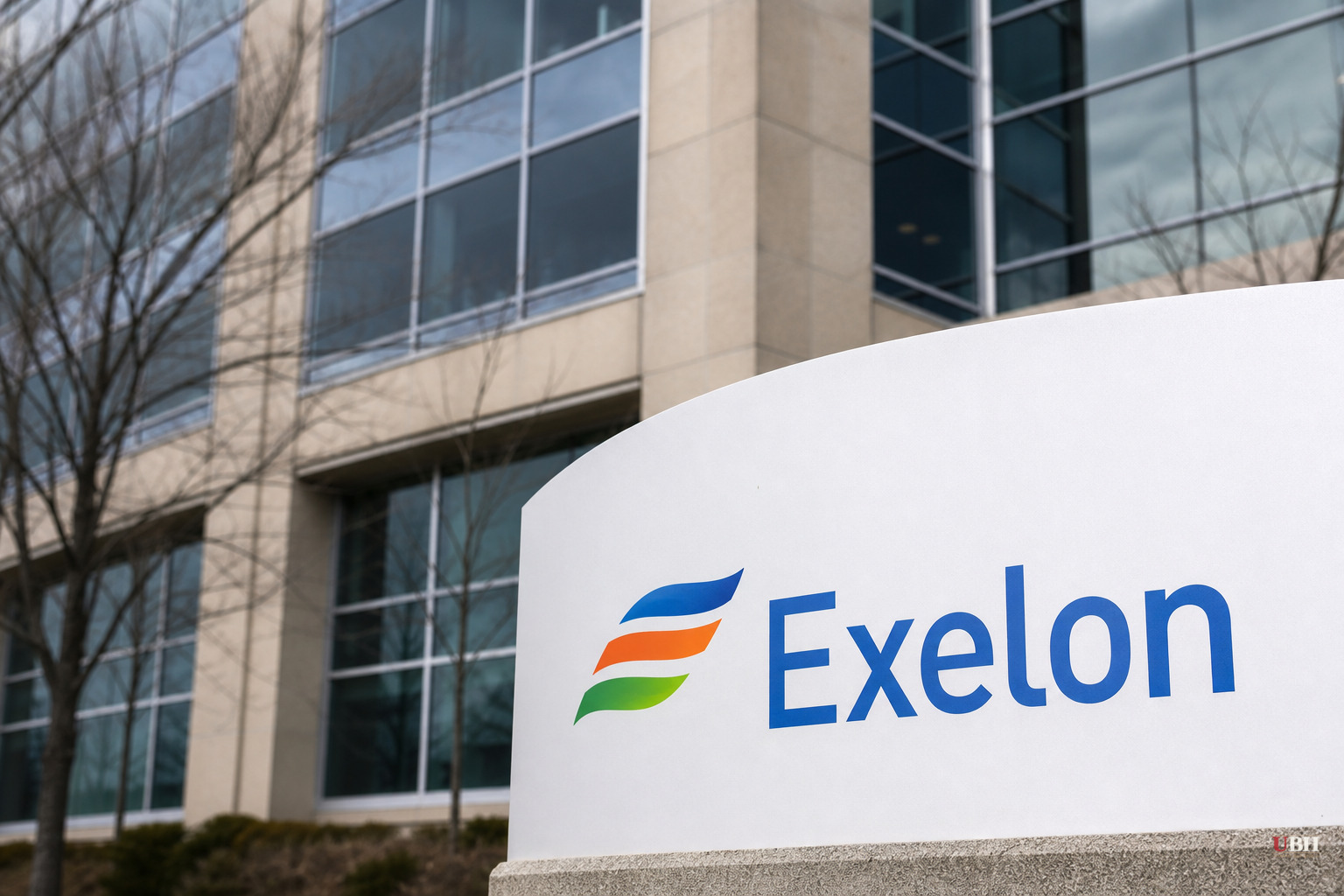
Exelon Corp., the Chicago-based utility giant that serves Illinois and parts of the Mid-Atlantic, told investors Thursday, July 30, that its "high probability" data center pipeline fell almost 40% in the second quarter, from 18 gigawatts at the end of 2025 to about 11 gigawatts now, according to the company's earnings presentation.
Its longer-range pipeline took an even bigger hit. Projects in current or future cluster studies dropped to 25 gigawatts, down from 43 gigawatts disclosed just one quarter earlier in May, according to Utility Dive and Bloomberg.
Exelon CFO Jeanne Jones told analysts on the earnings call the drop isn't a sign of collapsing demand. It's the company finally sorting the real from the fake. "What this update reflects is [that] we now weed out speculative projects, and it gives us proactive insight into what is real," Jones said.
How the sorting works
Exelon's tool for separating serious data center customers from those without firm commitments is something called a Transmission Security Agreement, or TSA. These contracts require developers to put skin in the game: credit obligations, committed revenue contributions, and shortfall payments if the project doesn't pan out, according to Utility Dive.
Of the 11 GW now classified as high-probability, about 9 GW sits in ComEd's northern Illinois territory and 2 GW in the Mid-Atlantic. Roughly 4 GW of that load has signed TSAs backed by $1 billion in posted collateral, Jones said.
As BTW Media pointed out in its breakdown of the disclosure, that collateral is real money attached to real consequences, but it's not the same as electricity flowing to a finished building. Transmission design, generation supply, permitting, and construction still stand between a signed agreement and an energized data center. The $1 billion isn't project financing or a power purchase. It's a security deposit that determines who eats the cost if a project falls apart.
One concrete casualty of the cleanup: ComEd told the Federal Energy Regulatory Commission on July 24 that it canceled a previously approved TSA with PowerHouse Hillwood Holding, a partnership that had been planning a 1.8-gigawatt, $20 billion data center campus in Joliet, Illinois, according to both ZeroHedge and Utility Dive. Key project details had been redacted in ComEd's original FERC filing, so the public record on why the deal fell apart is incomplete.
Local pushback and market jitters
RBC Capital Markets analyst Stephen D'Ambrisi told Bloomberg the shrinking pipeline reflects mounting local resistance to data centers and rising alarm among ratepayers about what these facilities do to their electric bills. "Making the bar much higher in order to connect to the grid is part and parcel of all of these ways in which utilities are trying to protect regular rate payers," D'Ambrisi said. "You're seeing pushback to data center development across the US, and so there are some level of projects that were probably high probability that may be falling out of the queue as well."
That's a fair concern for anyone who pays a monthly electric bill in Exelon territory. Communities near proposed sites have been raising real questions about water use, noise, and who ultimately covers the transmission upgrades needed to serve these massive loads. Exelon's TSA structure is a direct response to that: it's designed so speculative developers, not existing customers, absorb the financial risk if a project collapses.
An Exelon spokesperson wouldn't detail why specific projects became unfeasible but said in an email that "if a project chooses not to proceed because of those customer protections, this is evidence the framework is working as intended," according to Bloomberg's reporting via Energy Connects.
Exelon shares fell 3.1% Thursday, its worst single-day drop since March 20, according to Bloomberg. Citi analyst Ryan Levine attributed the slide to the reduced pipeline but kept a buy rating on the stock, saying the update actually improves the quality of what remains.
Not every utility is seeing the same trend
PG&E Corp. in California moved the opposite direction, raising its data center outlook in its second-quarter report, with its pipeline of proposed projects more than doubling between March and June, according to Bloomberg's reporting picked up by Energy Connects. That split suggests the story isn't a uniform AI-buildout retreat nationally. It may be more about regional grid capacity, local political resistance, and how aggressively individual utilities are policing their queues.
What's still unresolved
Exelon continues to push for utility-owned generation to meet capacity needs in the PJM Interconnection market, the 13-state grid operator that Exelon CEO Calvin Butler says isn't attracting enough new supply even at the highest allowed price. PJM's capacity auction cleared at its price cap for the third consecutive time this year and missed its reliability target by 6.8 gigawatts, drawing only 525 megawatts of new generation, according to Utility Dive.
If PJM lifts its $325 per megawatt-day price cap after its next auction, scheduled for December, Exelon's Atlantic City Electric customers in New Jersey could see monthly bills rise between $14.70 and $23.64, the utility told the New Jersey Board of Public Utilities last week. Whether the leaner, better-collateralized data center pipeline actually slows that bill pressure, or whether PJM's supply shortfall drives costs up regardless, is the open question regulators and ratepayers will be watching into the December auction.
Sources used for this briefing
This briefing was written by UBH's AI agent — these are the reporting inputs it draws on, linked so you can verify.


