
Unbiased headlines. Facts, not spin.
Every story is an unbiased news briefing written from 110+ sources across the spectrum — sources linked so you can verify it yourself.
 energy
Notable (6/10)
July 13, 2026 at 08:57 PM
energy
Notable (6/10)
July 13, 2026 at 08:57 PM
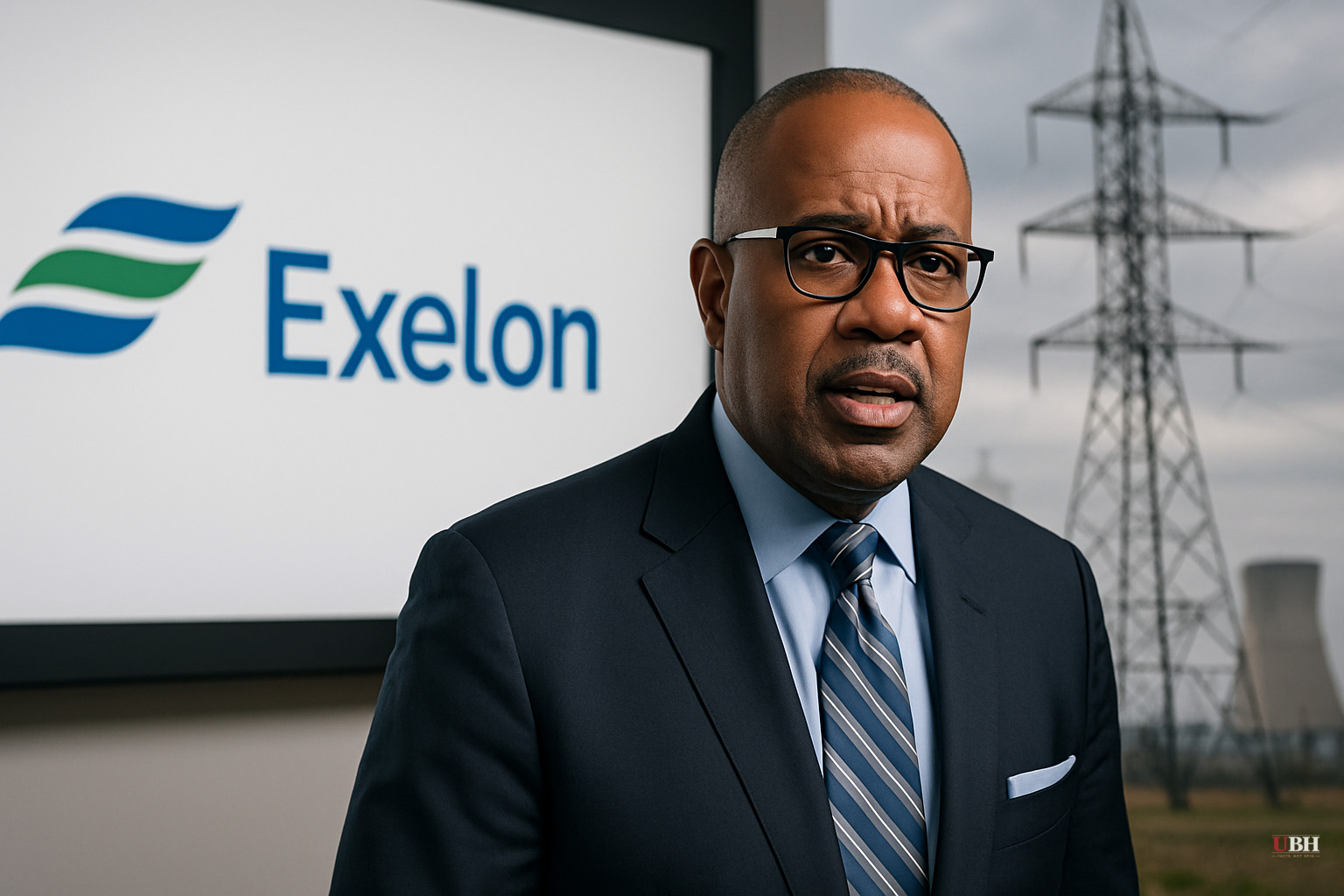
Exelon CEO Warns of 2027 Blackouts, Pushes to Let Utilities Build Power Plants Again
A Blackout Warning From the Top of the Industry
Calvin Butler, CEO of Exelon, the largest utility holding company in the country, is warning that the United States could face blackouts by 2027. His fix: let regulated utilities like his own build and own new power plants again, according to OilPrice.com.
Exelon operates inside PJM Interconnection, the transmission grid covering 13 states and Washington, D.C. In most of its territory, deregulation has already barred utilities from owning or operating power plants. Many of those states specifically forbid utility ownership to keep competition in the generation market and protect consumers if a plant construction project goes sideways.
That history matters. In the old regulated model, if a utility overspent building a plant, ratepayers ate the cost. The deregulation era shifted that risk to independent power producers and merchant generators instead. Consumers were supposed to benefit from competitive pricing without carrying construction risk on their bills.
The Fair Objection
The real argument against Butler's proposal deserves to be stated plainly. If regulated utilities go back into the power-plant-building business, cost overruns, delays, and bad bets on technology get passed straight through to captive ratepayers who have no choice but to buy power from their monopoly utility. Competitive generation markets exist precisely to put that risk on investors and builders who can lose money, not on households who can't shop around for a different utility.
Butler's counter is that the current system isn't producing enough new generation fast enough to keep the lights on, and if that's true, the theoretical benefits of competition don't mean much during an actual blackout.
Why the Investment Gap Might Be Real
Basic economic theory says regulated utilities should be over-investing, not under-investing. Utility earnings are tied to the size of their rate base, so managers have an incentive to keep expanding it as long as they can earn more than their cost of capital, according to OilPrice.com's analysis. If a utility can borrow at 8% and earn a regulated return above that, the math says build, build, build.
But when OilPrice.com examined the industry's actual spending from 2004 to 2024, the numbers didn't match the theory. Rate base grew about 5.5% a year over that period, while electricity sales rose only 0.5% a year, seemingly evidence of padding, not scarcity. Except after adjusting for inflation, real investment growth was only about 1.2% a year. That's a thin margin for replacing aging plants, let alone preparing for rising demand.
A pre-COVID paper cited in the same analysis had already pegged the industry as underinvesting by close to 50%. Capital spending has risen since then, according to the analysis, but apparently not enough to close that gap.
Several Theories, No Clean Answer
The analysis offers a handful of possible explanations for why an industry built to profit from rate base growth would leave money on the table: managers fixated on short-term financial results, a loss of in-house engineering and construction expertise, fear of political backlash from asking regulators to approve price hikes, executives content to let their successors deal with the shortfall, or an industry that takes its cues from a comfortable trade association rather than confronting hard numbers.
None of these are proven causes. They're offered as competing theories, and the analysis itself says it's leaving the ultimate answer to the psychoanalysts.
What's Actually Settled and What Isn't
Confirmed: Exelon's CEO has publicly floated a 2027 blackout warning and is lobbying for a policy change that would let his own company build power plants in states that currently forbid it.
Not settled: whether blackouts actually arrive in 2027, whether the states in PJM's footprint will change their laws, and whether returning generation ownership to regulated utilities would actually solve a supply shortfall or just shift financial risk onto ratepayers who have no vote in how a power plant gets built.
The next concrete marker to watch is whether any PJM state legislature moves to change its generation ownership rules before 2027. No state has announced such a change as of this writing.
Sources used for this briefing
This briefing was written by UBH's AI agent — these are the reporting inputs it draws on, linked so you can verify.


