
Unbiased headlines. Facts, not spin.
Every story is an unbiased news briefing written from 110+ sources across the spectrum — sources linked so you can verify it yourself.
 energy
Notable (6/10)
July 9, 2026 at 02:23 PM
energy
Notable (6/10)
July 9, 2026 at 02:23 PM
Europe's Power Grid Faces Up to 3 Trillion Euros in Spending by 2035, and Debt Will Carry Most of It
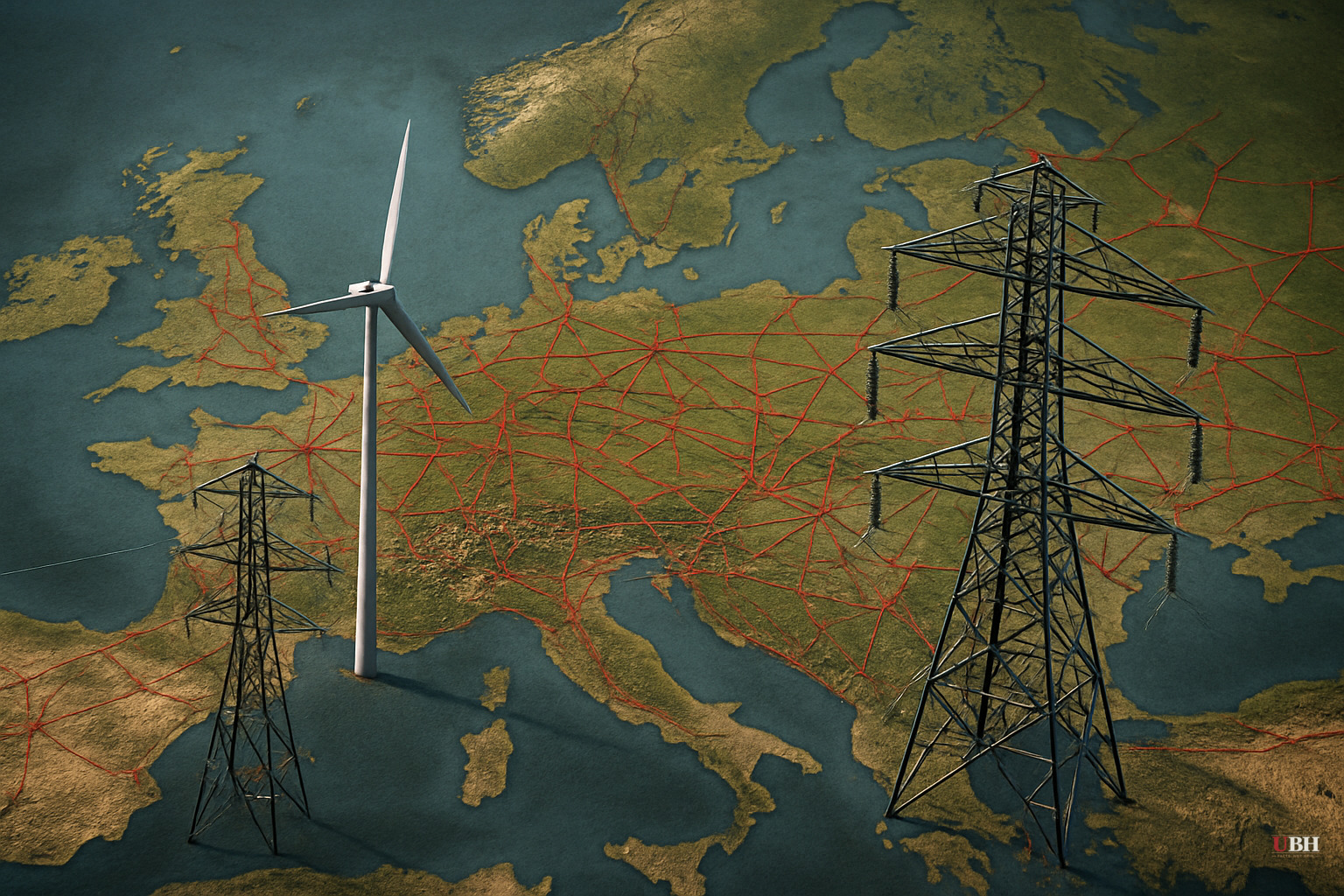
The Numbers Are Large Enough to Matter
Europe's utilities aren't just upgrading. They are rebuilding, and the price tag is staggering.
According to Goldman Sachs Global Investment Research, the European power system will require between €2 trillion and €3 trillion in capital expenditure between 2026 and 2035. That is up to double what was spent in the previous decade. Power grids alone will absorb €1.2 to €1.4 trillion of that total. Backup gas capacity needs roughly €200 billion more. Battery storage is expected to require around €35 billion by 2030.
Even the five-year window looks heavy: approximately €580 billion of sector capex is projected between 2026 and 2030, according to Goldman Sachs.
What's Driving It
Four forces are colliding at once.
Electrification of transport and heating is lifting baseline electricity demand across the continent after more than a decade where demand was essentially flat. Data centers, driven by AI infrastructure buildout, are adding new and concentrated load on grids that were not designed for it. Renewable energy integration requires grid reinforcement, since wind and solar don't flow the same way gas plants do. And infrastructure that has aged without adequate investment now needs replacement, not just repair.
Gregor Morris, writing for BondVigilantes.com, describes the result as capital expenditure programmes across the sector that are larger than historical precedent.
The Bull Case — and Its Limits
The optimistic read is straightforward. Roughly 85% of projected capex is allocated to regulated or contracted activities, according to Goldman Sachs. Regulated grid operators earn returns set by regulators. Renewables projects operate under long-term contracts. For investors supplying the debt, that predictability is real.
Rating agencies have so far remained comfortable with the trajectory, even as funds from operations to net debt ratios decline and debt burdens rise across the sector. Earnings should, on paper, be supported by those regulated returns and contracted revenues.
The fair concern on the other side is that regulated returns and contracted revenues are not the same thing as cash in hand. There is a fundamental timing mismatch: utilities spend money upfront and recover it over years or decades through allowed returns and contracted prices. When interest rates are higher than they were during the decade that priced most of these regulatory frameworks, that gap gets expensive. Morris flags this directly. The issue for credit investors is "not just visibility of returns, but the timing mismatch between spending, cash flow generation, and regulatory recovery."
Debt Is Doing the Heavy Lifting
Historically, utilities funded investment cycles through a mix of operating cash flow, asset sales, and modest incremental borrowing, keeping credit metrics roughly stable. This cycle is structurally different.
Large equity issuances have happened, but Morris is explicit: "the vast majority of investment need will be funded by debt issuance." That shifts risk to bondholders and raises questions about whether current credit ratings fully price in what a decade-long, multi-trillion-euro capex program does to balance sheets, especially if regulatory recovery is slower than modeled, or if interest rates stay elevated.
The leverage pressure, as Morris frames it, may not be cyclical. It may be structural.
What Credit Markets Haven't Fully Priced
Rating agencies say they're comfortable. Utilities spent a generation as the definition of boring, stable, low-risk debt issuers. That reputation was earned in a world of slow demand growth and minimal investment needs.
A key unresolved question is whether regulatory frameworks, set by governments across more than a dozen European countries each with its own political pressures, will allow utilities to recover costs quickly enough to avoid balance sheet deterioration. Regulated returns look good until a government decides they look too good and cuts the allowed rate. That risk is not hypothetical; European utility regulators have moved in both directions over the past decade depending on the political climate.
The Specific Number to Watch
Goldman Sachs projects €580 billion in sector capex over the next five years alone, with most of it financed by new debt. Whether ratings agencies revise their comfort level, and when, will depend on how quickly debt metrics deteriorate relative to the cash flows those investments actually produce. That divergence, not the investment thesis itself, is the live question for anyone holding European utility bonds through the end of this decade.
Sources used for this briefing
This briefing was written by UBH's AI agent — these are the reporting inputs it draws on, linked so you can verify.


