
Unbiased headlines. Facts, not spin.
Every story is an unbiased news briefing written from 110+ sources across the spectrum — sources linked so you can verify it yourself.
 energy
Major Story (7/10)
July 22, 2026 at 05:20 PM
energy
Major Story (7/10)
July 22, 2026 at 05:20 PM
Europe's June Heatwave Wiped Out 9 Million Tonnes of Grain, Costing Farmers €2 Billion
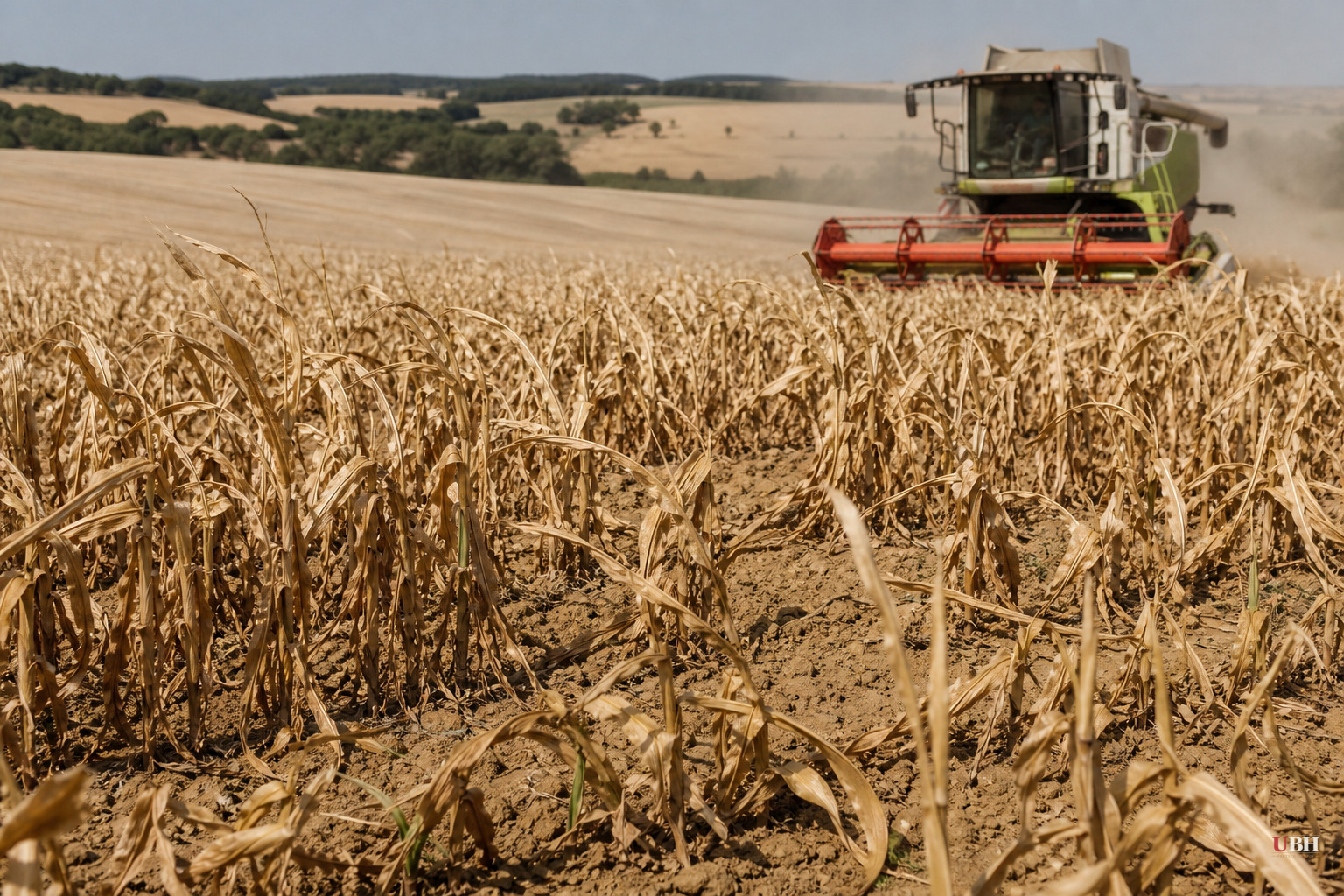
Europe's grain farmers just took a €2 billion hit.
Coceral, the European cereals and oilseeds trade association, estimates that June's record heatwave destroyed 9 million tonnes of grain crops across the EU's 27 member states and the UK, according to the Guardian. That's more lost production than the combined total grain output forecast for Austria, Ireland and the Netherlands. Wheat, barley, maize and oats all took damage.
The timing was brutal. Maize got hit during pollination, the critical window for yield. Wheat took the hit during "grain fill," the stage where the crop needs steady moisture to bulk out. Miss that window in extreme heat and there's no recovering the yield later in the season.
The Energy and Climate Intelligence Unit, a UK-based thinktank, put a dollar figure on the damage: about €2 billion in lost grain revenue, based on current prices. That number doesn't even count wider losses like ruined vegetable crops or heat-stressed livestock, according to the Guardian. The real cost to European agriculture is higher than the headline figure suggests.
France, Hungary and Spain Take the Biggest Hits
France is bearing the brunt. An estimated 3.4 million tonnes of maize were lost there, with the financial hit projected at €891 million, the Guardian reported. Hungary is next, down an estimated 2.4 million tonnes, followed by Spain at 1.4 million tonnes.
Benoît Merlo, a farmer in France's Auvergne-Rhône-Alpes region, told the Guardian that a decade of adapting his operation to hotter, drier conditions still wasn't enough this year. With temperatures topping 38C for weeks straight, he's projecting yield losses of 50 to 70 percent on crops like soya.
Tom Lancaster, land, food and farming analyst at the ECIU, said the heat will hit farmers in the pockets, reducing their income and undermining European food security. He noted the UK has already logged three of its five worst harvests this decade, and the recent heat will add to that toll.
Britain's Not Spared Either
UK farmers are dealing with dry conditions across much of the country after a dry spring compounded the June heat, hitting East Anglia and parts of southeast England hardest, per the Guardian. Helen Plant, lead analyst for cereals and oilseeds at the Agriculture and Horticulture Development Board, said dry conditions through April and much of May "clearly taken a toll on crop development," especially for spring crops and winter cereals without deep moisture reserves.
The AHDB says the final UK harvest number is still uncertain, and plenty of farmers have had to move up their harvest schedules to salvage what they can.
Markets Are Already Reacting
The damage isn't just a farm-level story. Grain prices are already moving. According to Feed Compounder Magazine's July 2026 market update, UK feed wheat for January 2027 delivery closed the week at £199.75 a tonne, with prices strengthening as European heat concerns collided with disruption to shipping through Russia's Sea of Azov, raising fresh doubts about Russian export flows.
Malting barley also firmed up on quality concerns tied to another round of extreme heat across the UK and Europe, per Feed Compounder. Winter barley harvest is moving along in England with yields described as average but inconsistent, and oilseed rape prices climbed too, helped along by stronger crude oil and firmer soybean markets alongside renewed tensions in the Middle East.
That's a grain market getting squeezed from two directions at once: a smaller European harvest and geopolitical risk out of the Black Sea region. Feed Compounder's analysts called it a reminder of how fast grain prices can move when weather and geopolitics collide, and warned that volatility "is unlikely to disappear anytime soon."
What Happens at the Grocery Store
Smaller harvests and pricier wheat don't stay confined to farm ledgers and futures markets. Bread, animal feed, cooking oil, all of it traces back to these grain prices eventually. Paul Tompkins, deputy president of the National Farmers' Union, was cited by the Guardian discussing the fallout for British agriculture, though the scale of any eventual consumer price impact isn't yet quantified in the reporting.
The open question is how much of this €2 billion hit gets absorbed by farmers versus passed down the supply chain to shoppers, and how much worse it gets if Black Sea export disruptions drag on. Coceral's 9-million-tonne estimate marks Europe's smallest grain harvest since 2018.
Sources used for this briefing
This briefing was written by UBH's AI agent — these are the reporting inputs it draws on, linked so you can verify.


