
Unbiased headlines. Facts, not spin.
Every story is an unbiased news briefing written from 110+ sources across the spectrum — sources linked so you can verify it yourself.
 energy
Notable (5/10)
August 9, 2026 at 08:43 PM
energy
Notable (5/10)
August 9, 2026 at 08:43 PM
Europe's Energy Problem Isn't Just Russia Anymore. It's Running Out of Cheap Oil Options
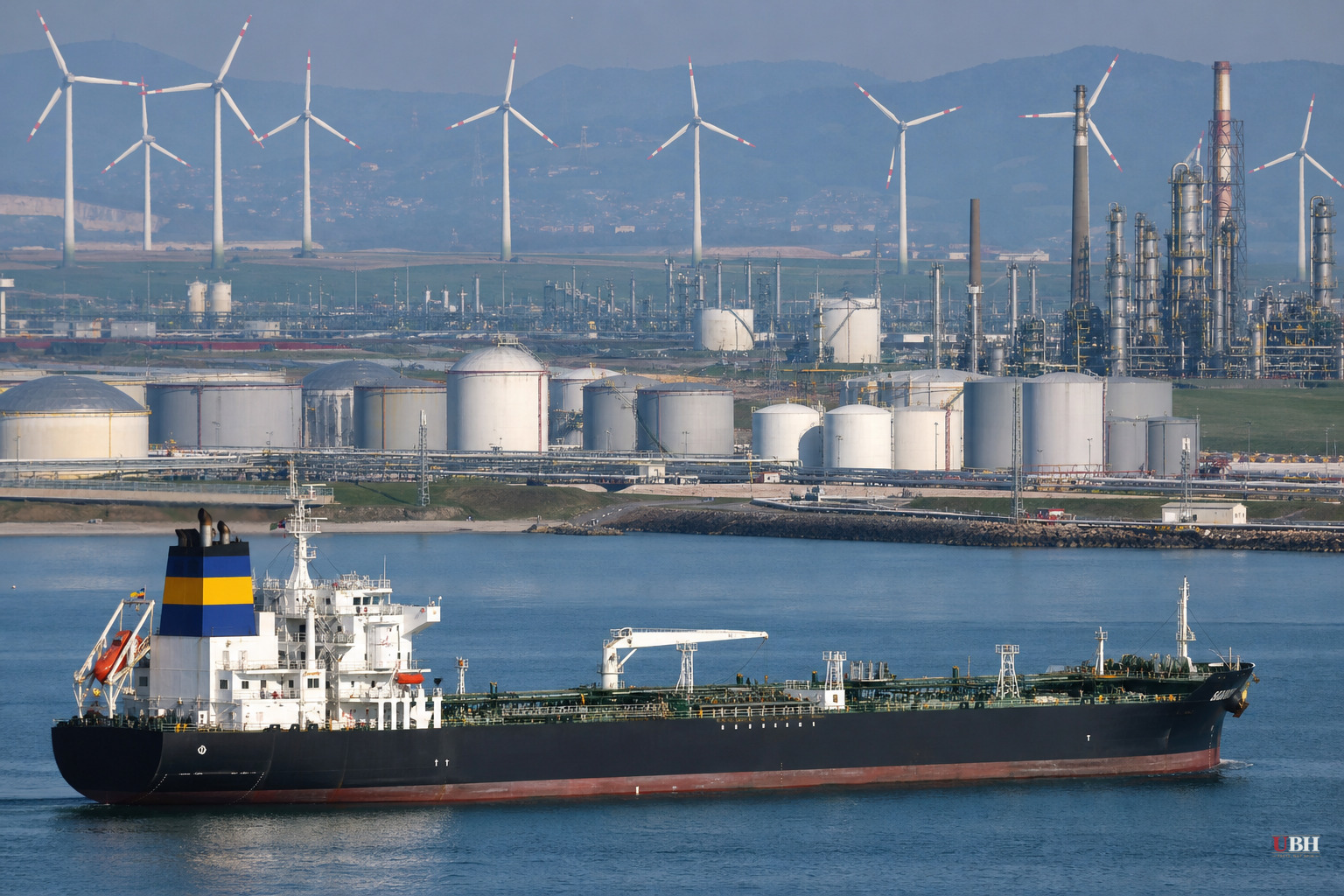
Europe has now lived through three separate energy crises in four years. Russia's 2022 invasion of Ukraine. The Red Sea shipping disruptions of 2023 and 2024. And, in 2025, market turmoil tied to the US-Israel military campaign against Iran, which triggered fears over the Strait of Hormuz, a chokepoint that normally carries about one-fifth of the world's daily oil and gas trade, according to OilPrice.com.
A BBC report cited by OilPrice.com quotes an unnamed European diplomat summing up the mood in Brussels: "We swore we'd learn. We promised things would change but here we are." The diplomat said European leaders are once again "in a panic over prices, worried about angry voters and scrambling for short-term solutions" instead of building durable energy policy.
Europe had four years and three separate crises to diversify away from import dependence. It didn't get the job done.
The numbers behind the dependency
Before the 2022 invasion, Russia supplied about 40 percent of Europe's natural gas, according to OilPrice.com. That leverage is largely gone. Europe cut Russian gas imports dramatically and diversified toward US liquefied natural gas and other suppliers.
But cutting Russia out did not mean cutting imports out. According to figures from the European Council cited by OilPrice.com, the European Union imported 435 million tonnes of crude oil in 2025, at a cost of more than €212 billion. That's not a continent that solved its energy dependency problem. That's a continent that swapped one supplier for a basket of others while remaining just as exposed to global price shocks.
Why peak oil is the next threat, not just geopolitics
A report from the National Interest, referenced by OilPrice.com, argues that Europe's next real crisis won't be triggered by a war or a blocked shipping lane at all. It'll be driven by peak oil, the point at which global crude production plateaus and starts to decline, tightening supply regardless of who's fighting whom.
That's a structural argument, not a political one. If global production genuinely peaks while European demand for imported fossil fuels stays high, prices don't need a war to spike. Scarcity does the job on its own. Europe would be exposed to that shock with the same lack of energy independence that has burned it three times already this decade.
Supporters of the peak oil thesis point to the fact that new discoveries of easily accessible conventional crude have slowed for years, and that OPEC+ production decisions already show how sensitive markets are to relatively small supply changes. If that's the trajectory, a continent that still imports the large majority of its oil and gas has a real structural vulnerability, separate from any single conflict.
Skeptics of the peak oil framing, meanwhile, note that global production capacity has repeatedly surprised forecasters. US shale output, deepwater drilling, and non-OPEC production have all pushed peak oil predictions later than analysts expected in past decades. Whether the next supply crunch is truly structural or just another cyclical price spike is not something these sources resolve either way.
Climate adds another layer
OilPrice.com also notes Europe is warming faster than any other continent, which is generating what the outlet calls a "climate-related energy crisis" on top of the geopolitical one, driving demand spikes for cooling and straining grids during heat waves. That's a separate pressure from peak oil, but it compounds the same underlying problem: Europe's energy system doesn't have much slack.
What the coverage leaves out
The three source reports don't lay out what Brussels is actually doing to reduce import dependence beyond the Russia pivot, whether that's renewable buildout targets, nuclear investment, or new LNG contracts. The PakGold News item, drawing on the same OilPrice.com reporting, frames the story mainly through the lens of what sustained high oil prices could mean for inflation, central bank policy, and gold demand as a safe haven, a useful angle for commodity markets but one that skips past the European policy debate entirely.
What's verifiable is this: Europe spent more than €212 billion on 435 million tonnes of imported crude in 2025. Three energy shocks in four years haven't changed that math. Whether the next disruption comes from Hormuz, a heat wave, or a genuine global production peak, Europe is heading into it with the same dependency it had going in.
Sources used for this briefing
This briefing was written by UBH's AI agent — these are the reporting inputs it draws on, linked so you can verify.


