
Unbiased headlines. Facts, not spin.
Every story is an unbiased news briefing written from 110+ sources across the spectrum — sources linked so you can verify it yourself.
 energy
Major Story (7/10)
July 31, 2026 at 10:44 AM
energy
Major Story (7/10)
July 31, 2026 at 10:44 AM
European Gas Prices Set for Biggest Monthly Jump Since March as Middle East War Drags On
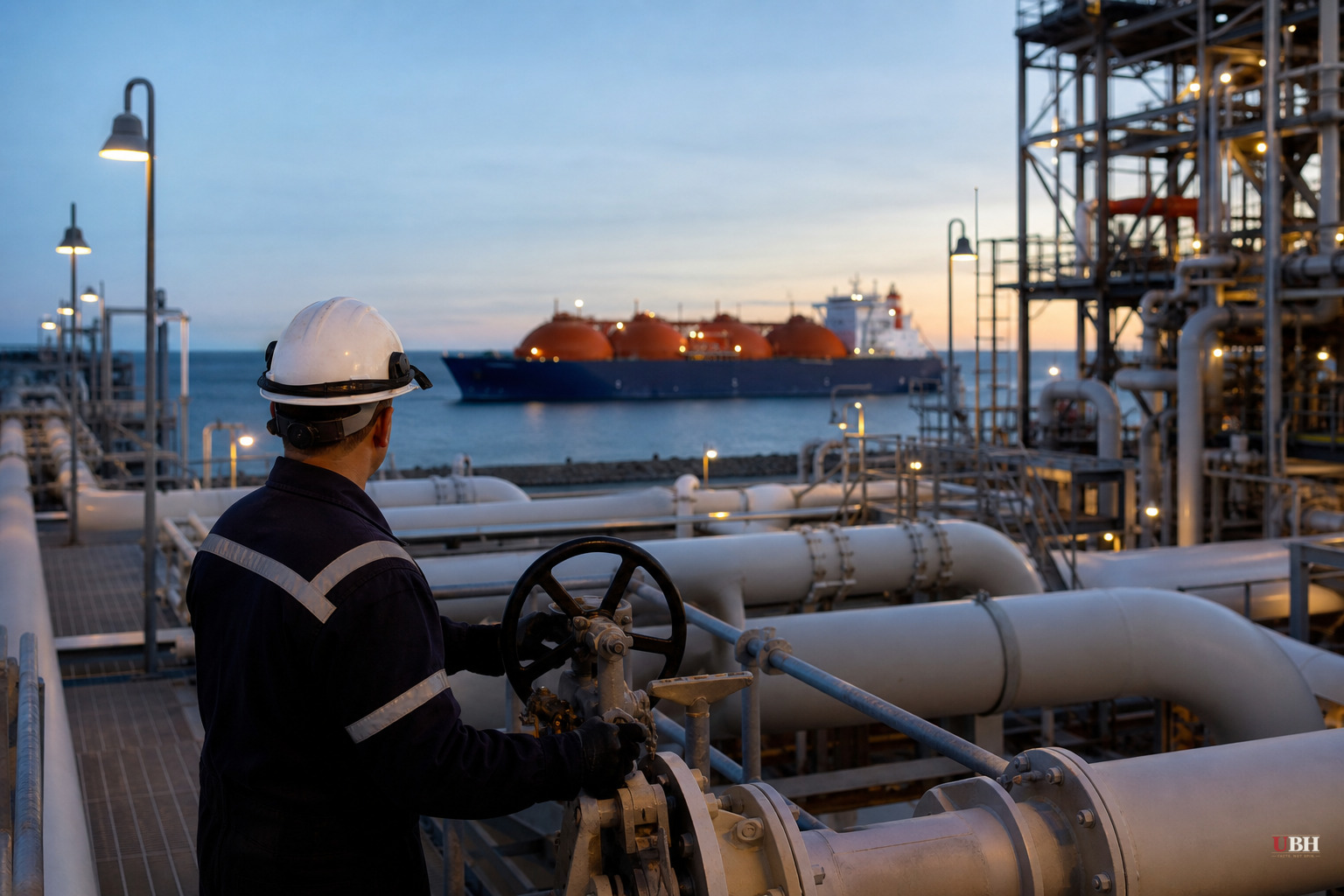
European natural gas is closing out July with its biggest monthly price surge since March, and the culprit is the same one that's been driving up costs across the continent all summer: the ongoing Middle East war.
Dutch front-month futures for September delivery, the benchmark for European gas, dipped 0.7% to €57.92 per megawatt-hour Friday morning in Amsterdam, according to upday News. That daily dip doesn't matter much. The contracts are still tracking a monthly gain of more than 30% for July, the steepest since March.
Europe's gas storage sites are just over 56% full right now, according to Gas Infrastructure Europe data cited by upday. The five-year seasonal average for this point in the year is 73%. That's a real gap, not a rounding error, and it means Europe is heading into autumn restocking season already behind.
Current reserves sit at 634.61 terawatt-hours. Every megawatt-hour Europe still needs to buy now costs more than it did a month ago, thanks to the price spike. That's a direct hit to utility companies and, eventually, to household and business energy bills across the continent.
Why the Gulf Matters
The Middle East conflict escalated again this month, according to upday, and that's casting real doubt on whether shipping traffic out of the Persian Gulf region will meaningfully resume anytime soon. A huge share of the world's liquefied natural gas moves through those waters. When traders can't count on that supply arriving on schedule, prices move on the fear alone, not just on confirmed disruptions.
Markets are pricing in the risk of prolonged LNG supply disruption, not necessarily a confirmed full stoppage. Nobody's claiming Gulf shipping has halted entirely. But the uncertainty itself is expensive, and Europe is paying for it in euros per megawatt-hour.
The Airline Fallout
The ripple effects aren't staying contained to home heating bills. International Airlines Group, the parent company of British Airways, scrapped its growth plans for the rest of the year and reported a 35% drop in quarterly profits, according to upday. Pre-tax profits fell to €732 million in the three months through the end of June, down from €1.1 billion in the same period a year earlier. IAG pointed to the Iran conflict driving fuel costs higher as a direct factor.
A major European airline is freezing expansion plans specifically because of Middle East-driven fuel costs, not some vague "economic headwinds" excuse companies love to reach for.
The Real Question Heading Into Winter
Europe has been here before. After Russia's invasion of Ukraine cut off pipeline gas, the continent scrambled to build up LNG import capacity and diversify suppliers. That worked, mostly, but it left Europe more exposed to global LNG price swings and more dependent on Gulf and U.S. supply routes staying open and affordable.
A second supply-side shock, this one from the Middle East, is testing whether that diversification actually built resilience or just swapped one vulnerability for another. A 17-percentage-point storage gap versus the five-year average at the start of the traditional restocking window is the kind of number that shows up in higher bills by December if it doesn't close.
The unresolved question is straightforward: does Gulf shipping stabilize enough in August and September for Europe to close that storage gap before cold weather hits, or does the continent enter winter running leaner than it has in years. Nobody in these markets is pretending to know the answer yet. Futures pricing suggests traders are betting on the disruption lasting, not resolving quickly.
Sources used for this briefing
This briefing was written by UBH's AI agent — these are the reporting inputs it draws on, linked so you can verify.


