
Unbiased headlines. Facts, not spin.
Unbiased Headlines is an independently owned news organization. We bring you the facts, not opinions, written fresh from 110+ named sources. Sources linked so you can verify it yourself.
 health
Notable (6/10)
European-Brand Pesticides Named in 1,605 Brazil Poisoning Reports, Investigation Finds; Companies Dispute Causation
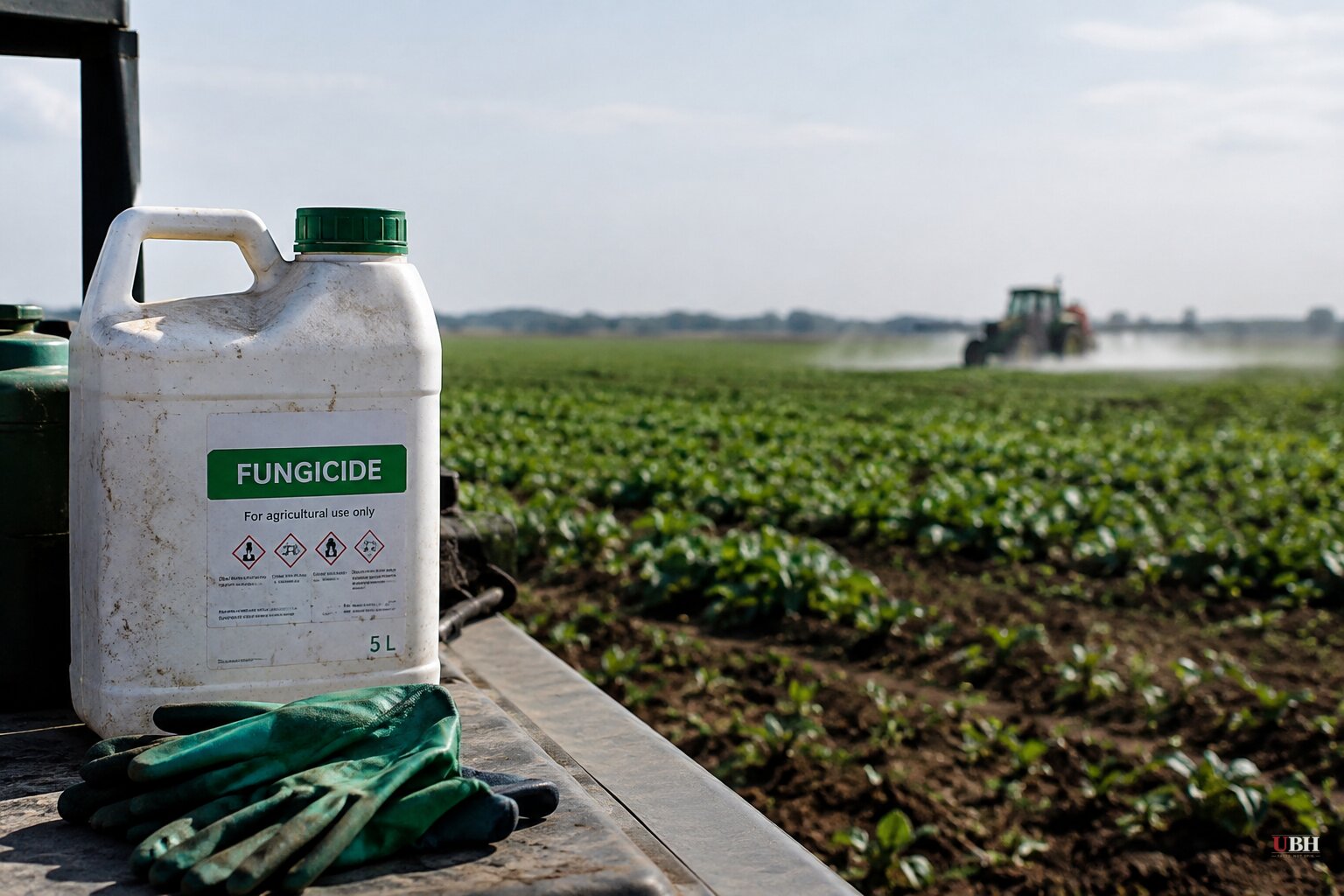
A report published today, Nov. 17, by the investigative outlet Unearthed and the Swiss group Public Eye says pesticides sold by European chemical companies were named in 1,605 poisoning reports in Brazil last year.
The analysis covers Brazilian health ministry data. Of more than 6,700 medical reports involving agricultural pesticides, 2,857 named an identifiable product. The 1,605 figure is the share of those that named brands sold by European firms.
About a third of the cases involved chemicals banned from use on EU farms because of the risks to people and the environment, according to the investigation.
Legal to make, legal to export
European companies are not barred from manufacturing those chemicals, as long as they ship them to countries where they are legally allowed. Brazil is one of those countries. Nothing in the data suggests the products were sold illegally there.
The most frequently cited UK-made weedkiller was Reglone, which contains diquat. The UK banned diquat in 2020 after experts concluded it posed a high risk to people living near sprayed fields. Syngenta, which is headquartered in Switzerland, still makes Reglone at its factory in Huddersfield for export.
Reglone was named in 44 reports, including four deaths. Twenty-six of those 44 were classified as confirmed poisonings. Brazil recorded 75 cases mentioning diquat, compared with 36 for 2018 to 2022, the report says.
Across all reports involving European-sold products, the analysis counted 32 deaths. It says 26 of those deaths were recorded as suicides. Syngenta products were named 425 times and BASF products 179 times, though those figures can overlap because some reports named products from several manufacturers.
What workers describe
Farm workers told the investigators of flesh rotting, skin burning, difficulty breathing and vomiting after using the chemicals on the job. A small number died, some accidentally and some by deliberately drinking the pesticides.
The companies push back
Syngenta, Bayer and BASF dispute how the findings should be read. Their core argument is that a poisoning report is not proof a product caused harm.
Syngenta said nearly half of the cases linked to it were not classified as confirmed poisonings. It also criticized the investigators' interpretation of the data.
Bayer pointed to the database's limitations and said the circumstances of exposure had not been independently verified. BASF said it takes reports of a possible link between its products and poisonings seriously and assesses such incidents.
Why the numbers are soft
The caveats are real, and the report states them. Brazilian law requires healthcare professionals to file a report in the national disease notification system for every suspected pesticide poisoning. Only the doctor or nurse who saw the patient can mark a case "confirmed" poisoning or "exposure."
Laboratory confirmation is rare, so a "confirmed" label usually rests on clinical judgment. Of the 2,857 reports naming a product, 1,420 were classified as confirmed poisonings and 1,108 as exposures. The rest were unknown or other diagnoses.
Vanda Garibotti, a public health biologist at the State Centre for Health Surveillance in Rio Grande do Sul, said the problem runs both ways. "The insufficient training of healthcare professionals to recognise and manage these cases is a major limiting factor," she said.
Garibotti added that high staff turnover and a lack of institutional support mean cases are rarely confirmed through lab tests. Clinicians sometimes log a case as exposure simply because they lack the training or backing to confirm a diagnosis. That cuts against the companies' point that unconfirmed cases are weak evidence. It also means the confirmed count may understate what happened.
What the data can and cannot show
The reports establish that these brands were named by health workers in cases of suspected pesticide poisoning. They do not establish that any specific product caused any specific illness or death. Misuse, missing protective equipment and the suicide cases are different problems from a defective or uniquely dangerous product.
They also do not show how European brands compare with competitors' products in Brazil, since the analysis counted only reports naming a product. Without that comparison, it is unclear whether the European share is unusually high or simply reflects the size of those firms' market presence.
The policy question is separate and plainer. The EU and UK have judged these chemicals too risky for their own fields, while their companies keep manufacturing them for farms abroad. No EU or UK regulator has announced a response to the report. Whether either government revisits export rules for banned pesticides is unanswered.
Sources used for this briefing
7 links from 5 independent newsrooms (syndicated copies of the same report count once)
These are the sources it draws on, linked so you can verify.


