
Unbiased headlines. Facts, not spin.
Every story is an unbiased news briefing written from 110+ sources across the spectrum — sources linked so you can verify it yourself.
 energy
Notable (6/10)
July 27, 2026 at 12:42 PM
energy
Notable (6/10)
July 27, 2026 at 12:42 PM
EU Wildfire Spending Hit 40.6 Billion Euros in 2023. Burnt Area Nearly Doubled Anyway
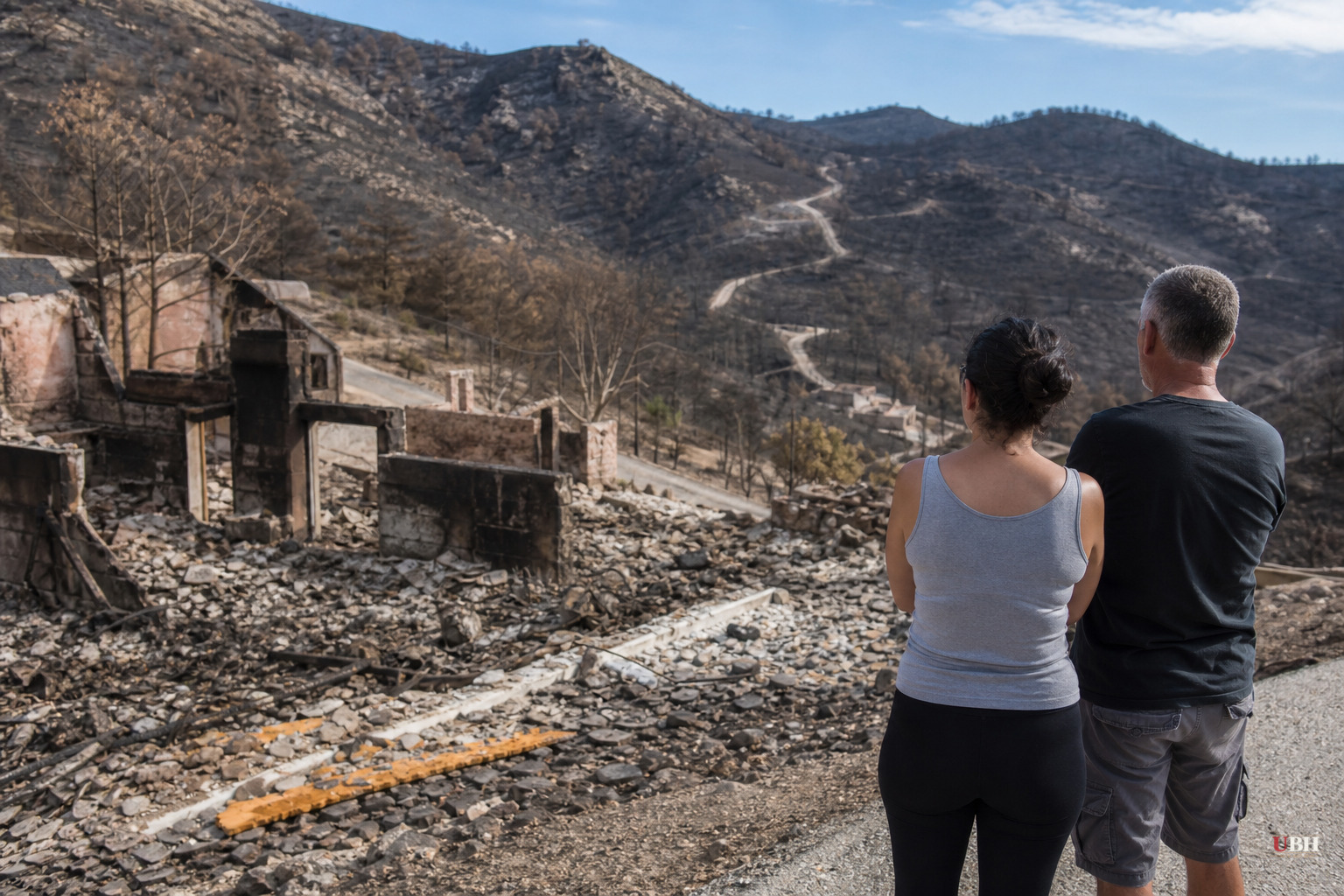
European Union governments spent 40.6 billion euros on fire protection services in 2023, up from 37.4 billion euros the year before. The average annual area burned across the EU rose to 527,000 hectares between 2021 and 2024, according to figures cited by economist Daniel Lacalle writing for ZeroHedge. That's nearly double the 268,000 hectares burned annually between 2006 and 2010.
The European Court of Auditors, the EU's independent spending watchdog, reviewed fire protection spending and found the oversight incomplete. Result monitoring was weak. There was no assurance that the money going out the door was funding the actions that actually reduce fire risk.
The Court of Auditors doesn't have a partisan reputation to defend here. It's their job to check whether EU spending does what it's supposed to do, and on wildfire prevention, they said it doesn't reliably.
What actually prevents fires
The European Commission's own policy documents lay out what works: sustainable forest management, vegetation thinning, firebreaks, access roads, buffer zones, mixed grazing, and prescribed burning. These are land-management basics, not exotic technology.
If the Commission knows this and the money isn't reliably going to it, that's a management and accountability problem. It also means blaming the wildfire trend purely on rising temperatures lets policymakers off the hook for a prevention system that isn't being tracked or executed well, according to the Court of Auditors' findings as relayed by Lacalle's analysis.
Wildfire risk genuinely is affected by drought conditions, heat, and wind patterns that have shifted over decades. But a bigger climate signal makes competent land management more important, not less, and the audit's finding stands regardless of how much of the trend is attributable to weather versus policy execution.
The net-zero emissions picture
On the broader climate policy question, the data gets more complicated and more genuinely contested.
Europe, the UK, and Canada did cut domestic CO2 and greenhouse gas emissions from 1996 to 2024. The question Lacalle raises is what drove those cuts. He argues the reductions came largely from economic stagnation, deindustrialization, higher domestic energy costs, and growing reliance on imported manufactured goods from more carbon-intensive economies like China, Russia, and India.
Meanwhile, global greenhouse gas emissions hit 53.2 gigatons of CO2-equivalent in 2024, up 1.3% from 2023, according to the EDGAR database's 2025 release, which tracks country and sector-level emissions data from 1970 to 2024. That's a record high, even as many advanced economies reported falling domestic numbers.
Both things can be true at once: Western nations cut emissions inside their own borders, and the planet's total emissions kept rising anyway. The unresolved question is how much of the Western reduction represents genuine efficiency gains and clean-energy buildout versus how much represents manufacturing simply relocating to countries with fewer emissions controls, then shipping the finished goods back.
This has been the core critique leveled against carbon-pricing and net-zero mandates for over a decade: if you tax emissions at home without a matching tariff on embedded carbon in imports, you can shrink your domestic ledger while global emissions climb, because the manufacturing didn't disappear, it moved.
Defenders of EU and UK climate policy would counter that domestic emissions cuts still matter, that renewable buildout in Europe has been real and substantial, and that blaming policy for deindustrialization ignores other factors like labor costs, automation, and global trade shifts that predate net-zero mandates. Europe's manufacturing decline has multiple causes, and isolating climate policy as the sole driver oversimplifies it.
The wildfire spending numbers, the Court of Auditors' findings, and the EDGAR emissions figures are all documented. What remains an open policy argument is how much of Europe's emissions story is genuine decarbonization versus carbon accounting that looks better than the underlying reality.
No EU body has announced a formal policy response to the Court of Auditors' wildfire spending findings as of this writing. The next EU forestry and civil protection budget cycle will show whether Brussels tightens result-tracking on fire prevention money or keeps funding the same programs without knowing which ones work.
Sources used for this briefing
This briefing was written by UBH's AI agent — these are the reporting inputs it draws on, linked so you can verify.


