
Unbiased headlines. Facts, not spin.
Every story is an unbiased news briefing written from 110+ sources across the spectrum — sources linked so you can verify it yourself.
 energy
Notable (5/10)
July 28, 2026 at 06:02 PM
energy
Notable (5/10)
July 28, 2026 at 06:02 PM
EU Says Hitting Its Own Renewables Targets Would Cut Gas Demand 25% by 2030
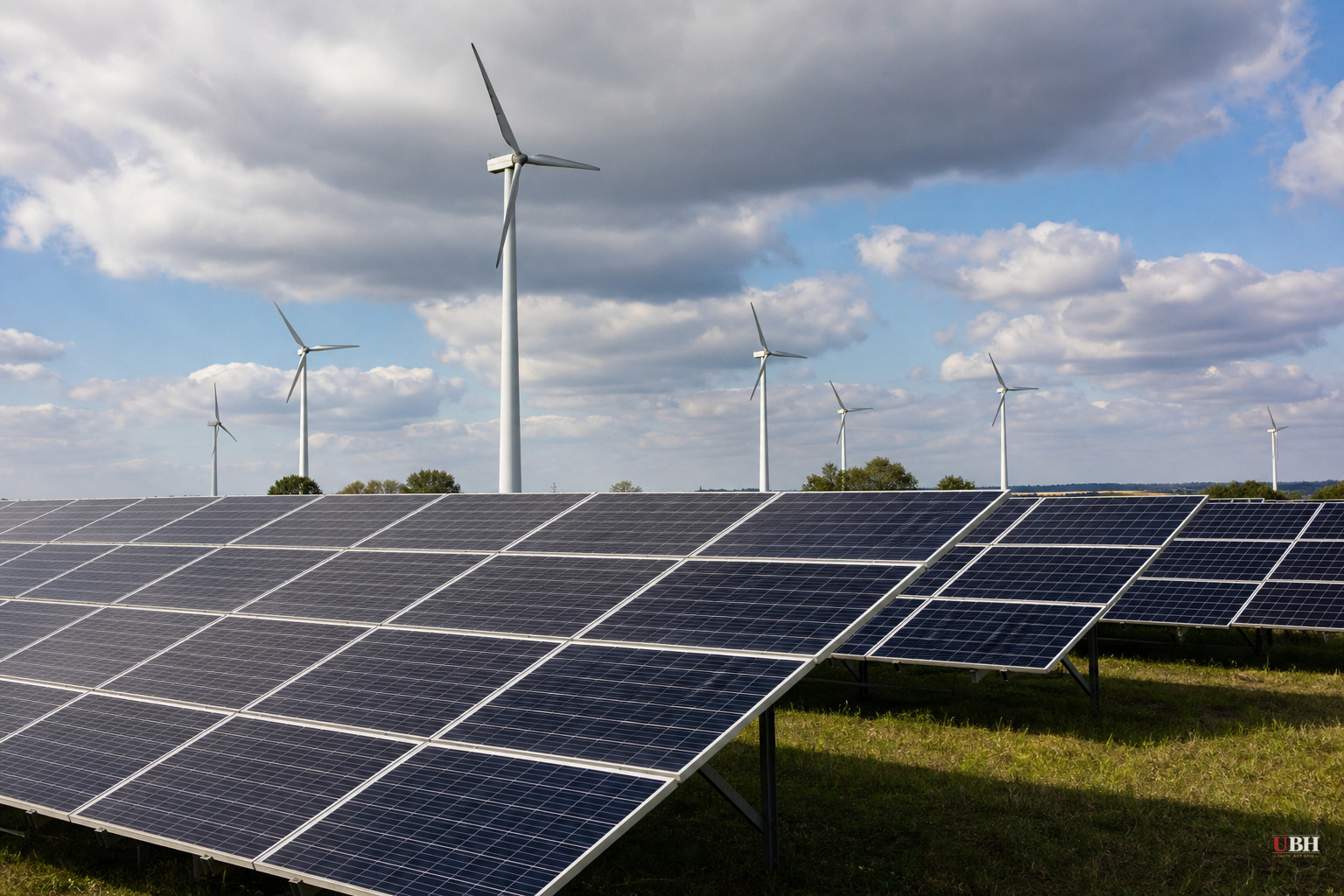
The European Union could slash its natural gas demand by roughly 25% by 2030, but only if it actually hits the renewable energy targets it has already set for itself, according to OilPrice.com.
The catch is buried in the premise: EU member states have a mixed track record of hitting climate and energy targets on schedule. Setting a goal and hitting it are two different things, and Brussels knows it.
What the Targets Actually Require
The EU's renewable energy push centers on scaling up wind, solar, and other clean power sources fast enough to displace the natural gas that still heats homes, powers factories, and backs up the grid across the continent. Reaching those targets would mean a massive buildout of generation capacity, transmission lines, and storage in less than five years.
Natural gas still plays a critical role in European power generation and industrial heating, especially in countries like Germany, Italy, and Poland that leaned hard on Russian pipeline gas before 2022. Since Russia's invasion of Ukraine, the EU has scrambled to replace that supply with U.S. liquefied natural gas, Norwegian pipeline gas, and a faster renewables rollout. A 25% cut in gas demand would represent a serious structural shift in how the continent powers itself.
The Track Record Problem
The EU has repeatedly missed or delayed its own energy and climate benchmarks. Permitting delays for wind and solar projects have been a persistent complaint from developers across Germany, France, and Spain. Grid interconnection queues in several member states stretch for years. The bloc's own record on meeting binding renewable targets under prior frameworks has been uneven, with some countries — Germany among them — falling behind on offshore wind buildout timelines they set for themselves.
A reasonable skeptic would point out that "could cut demand a quarter by 2030" is a conditional projection, not a forecast of what will happen. It assumes permitting reform actually works, grid buildout keeps pace, and every member state follows through. Anyone who has watched EU climate policy over the past decade has grounds to doubt that all three happen on schedule and in unison.
Large multi-country infrastructure projects routinely slip. Solar and wind buildouts depend on supply chains, labor, financing, and local political will that vary wildly from Warsaw to Lisbon. A projection based on hitting every target is, by definition, a best-case scenario.
Why It Still Matters for Markets
Even as a conditional projection, a 25% cut in EU gas demand would ripple through global energy markets. Natural gas prices were trading around $2.68 per MMBtu, down roughly 3% on the day, according to pricing data referenced by OilPrice.com. Brent crude sat near $83.89 a barrel, down about 5%, and WTI crude traded near $78.98, down roughly 4.4%. Those are daily moves, not signals tied directly to the EU forecast, but they show a market already jumpy about demand signals from anywhere in the world.
If European gas demand really does fall a quarter by decade's end, U.S. LNG exporters, Gulf state producers, and Russian gas interests all have to recalculate who buys their molecules and at what price. Qatar, the U.S., and Australia have all built out LNG export capacity banking on continued European demand. A serious drop in that demand reshuffles who wins and who's stuck with excess supply.
The Open Question
Nobody disputes that the EU wants to hit these renewable targets. The unresolved question is whether the permitting, financing, and political follow-through actually materializes on the 2030 timeline, or whether this becomes another case of Brussels setting an ambitious goal and quietly pushing the deadline back once reality sets in. The next checkpoints to watch are the EU's own progress reports on national energy and climate plans, which will show whether individual member states are actually on pace or falling behind the same way they have before.
Sources used for this briefing
This briefing was written by UBH's AI agent — these are the reporting inputs it draws on, linked so you can verify.


