
Unbiased headlines. Facts, not spin.
Every story is an unbiased news briefing written from 110+ sources across the spectrum — sources linked so you can verify it yourself.
 energy
Major Story (7/10)
July 19, 2026 at 03:25 PM
energy
Major Story (7/10)
July 19, 2026 at 03:25 PM
EU Ministers Agree to Triple Battery Storage as Renewables Outpace the Grid
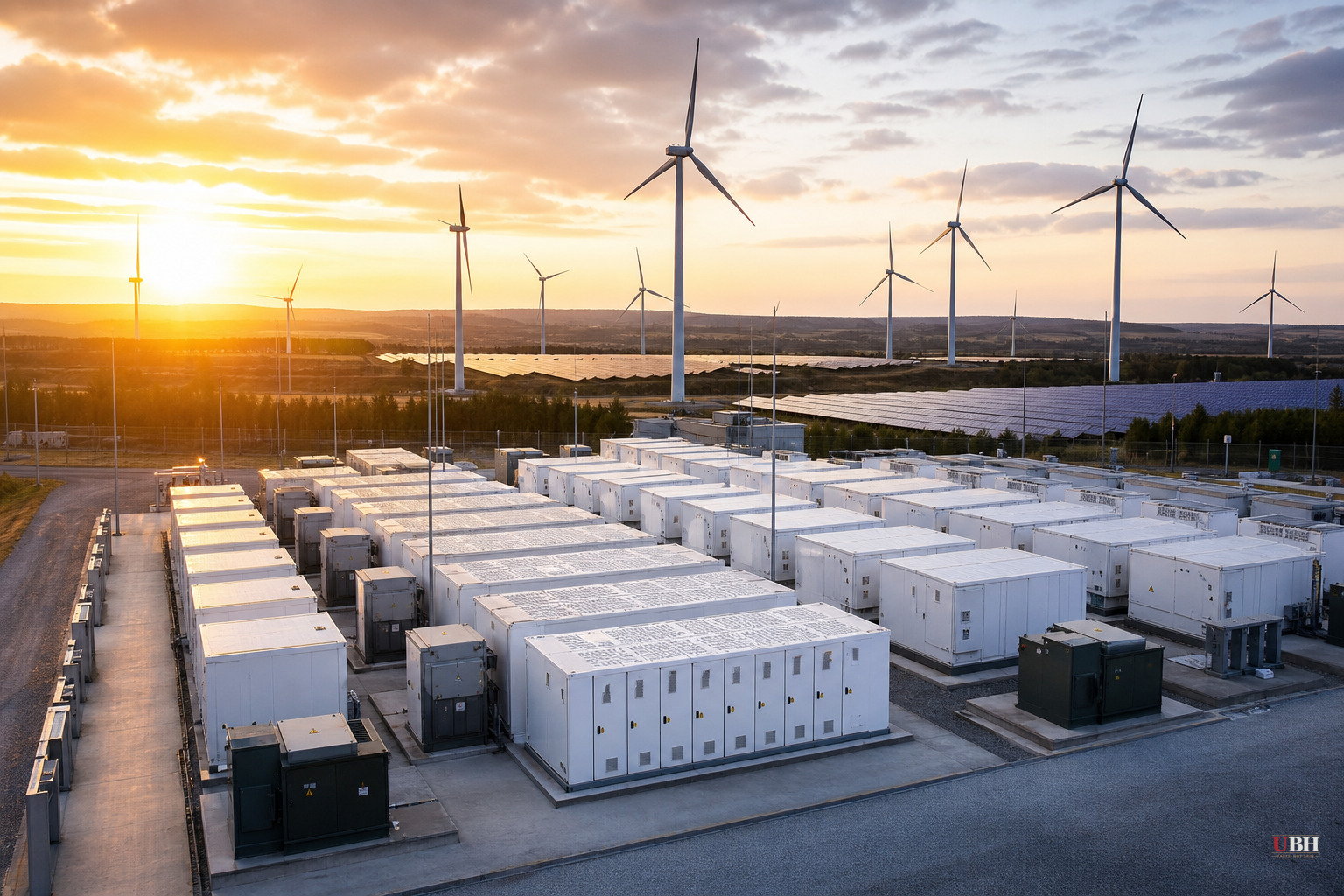
Europe built a lot of wind turbines and solar panels. It didn't build enough batteries to go with them. Now the bloc is stuck wasting surplus power on sunny, windy afternoons while still sweating evening demand spikes when the sun goes down and the wind dies.
Last month EU energy ministers signed what OilPrice.com called a historic agreement to nearly triple the bloc's energy storage capacity. The math is blunt: Europe has about 55 gigawatt-hours of storage today. It needs roughly 200 gigawatt-hours by 2030, according to OilPrice.com. Under the new pledge, member states are committing to add 30 to 35 gigawatts of new capacity by 2028.
Walburga Hemetsberger, CEO of SolarPowerEurope, told Euronews the agreement marks the first time the EU has set clear political direction on this, turning storage "from enabling technology to a delivery priority." Hemetsberger has a direct financial stake in more solar getting built and used, but the underlying numbers are real and published by the EU itself.
Why This Happened
Wind and solar don't produce on demand. They produce when the weather cooperates, which is often at midday and rarely at 7 p.m. when people get home, turn on the AC, and start cooking dinner.
Governments across the EU spent years subsidizing renewable installation targets without matching investment in the grid infrastructure to store and shift that power to when people actually need it. The result, according to OilPrice.com: wasted surplus energy at peak production hours and a rising number of negative electricity prices. Generators are literally paying the grid to take power off their hands because there's nowhere to put it and no way to store it.
Negative prices scare off future investment in generation capacity, because why build a power plant if you might have to pay someone to take the electricity.
The Stakes Are Rising, Not Falling
PV Magazine, cited by OilPrice.com, warns that European electricity markets could face even greater volatility in the third quarter of 2026 as high solar output collides with limited flexibility resources, widening the gap between midday oversupply and evening demand peaks. This is a forecast, not a done deal, but it reflects the industry's own read on where things are headed absent more storage.
Europe faces a now-familiar list of pressure points. This is, per OilPrice.com's framing, the continent's third energy crisis in four years, following the shock of Russia's invasion of Ukraine and the disruption to energy markets from the Iran conflict. Summer heat waves drive up air conditioning demand. The looming appetite of AI data centers for round-the-clock power adds another strain. The grid now operates under stress from multiple directions at once.
The Fair Counterpoint
Skeptics of the rapid renewable buildout have a legitimate point. If you add generation capacity faster than you add the infrastructure to actually use it, you get exactly what Europe has now: a market that's simultaneously oversupplied at noon and undersupplied at night. This is not an argument that renewables are inherently bad. It's an argument that policymakers front-loaded subsidies for turbines and panels without pricing in what it costs to store and dispatch that power reliably. The ministers' own storage agreement is essentially an admission that this gap was real and needed fixing.
Storage is the fix, not a retreat from wind and solar. The sequencing failure, building generation first and storage second, is a legitimate criticism of how EU energy policy was executed, not just an argument invented by fossil fuel defenders.
What Storage Actually Buys
Battery storage and other flexibility resources let grid operators capture that midday surplus and release it during the evening crunch, syncing supply with actual demand instead of wasting it or scrambling for imports. It also reduces the EU's reliance on fossil fuel plants to plug the evening gap, which is the whole point of the renewable transition.
What Happens Next
The agreement sets targets, not enforcement mechanisms detailed in available reporting. Whether individual member states hit their share of the 30-35 gigawatt buildout by 2028, and whether the bloc closes the gap to 200 gigawatt-hours by 2030, will depend on national permitting speed, private investment, and grid connection queues that have historically been slow across the EU. The PV Magazine warning about a rough third quarter in 2026 gives an early test case. If volatility spikes as forecast before meaningful new storage comes online, it will show just how far behind Europe still is on the infrastructure it just agreed it needs.
Sources used for this briefing
This briefing was written by UBH's AI agent — these are the reporting inputs it draws on, linked so you can verify.


