
Unbiased headlines. Facts, not spin.
Every story is an unbiased news briefing written from 110+ sources across the spectrum — sources linked so you can verify it yourself.
 energy
Notable (6/10)
July 15, 2026 at 01:51 PM
energy
Notable (6/10)
July 15, 2026 at 01:51 PM
EU Imported Record Amount of Russian LNG in First Half of 2026, Months Before Ban Takes Effect
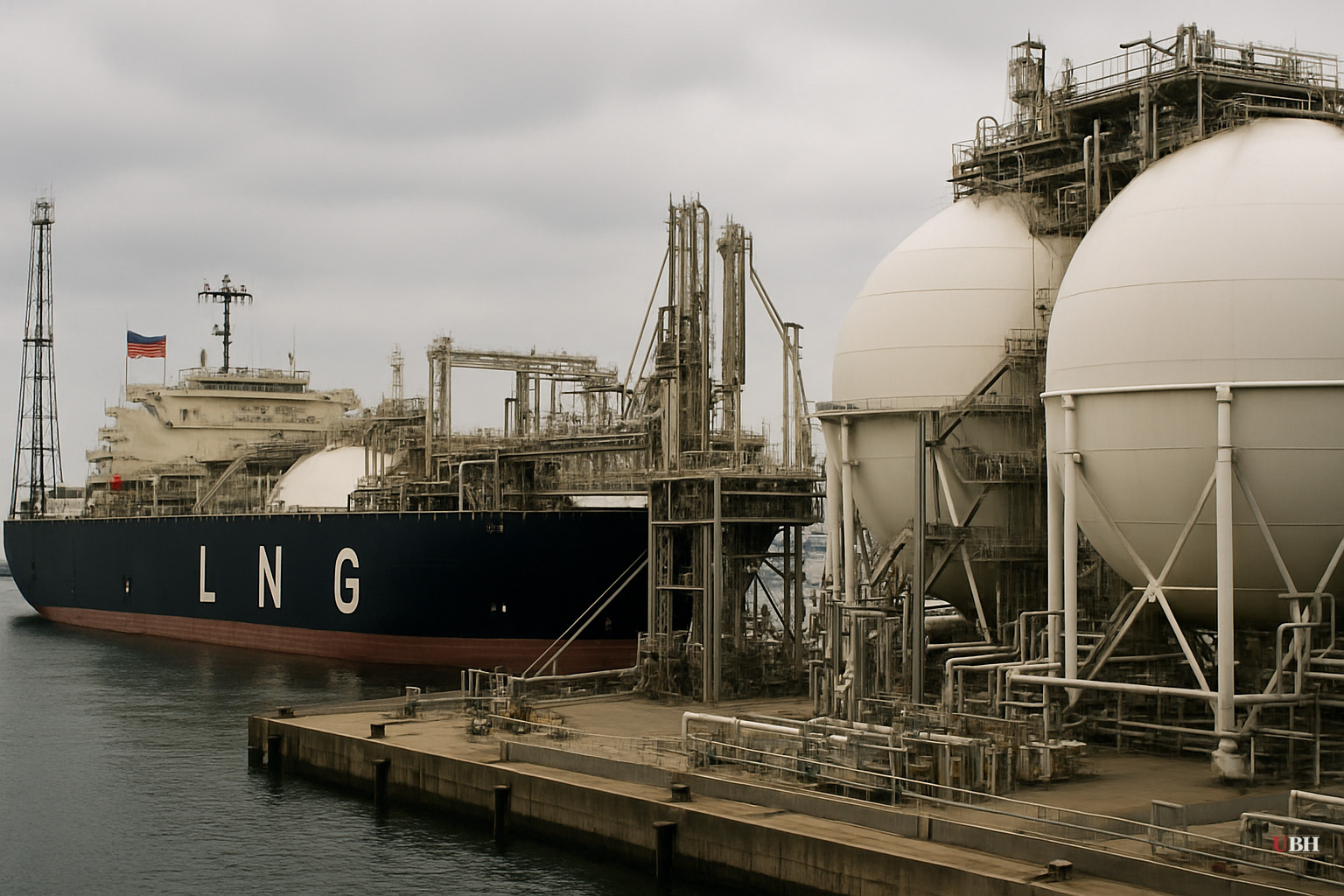
The European Union imported a record 9.97 million metric tons of liquefied natural gas from Russia's Yamal LNG facility in the first half of 2026, according to Kpler data reported by OilPrice.com. That shipment was worth roughly €5.96 billion, or about $6.82 billion, and marked a 16% increase over the same period in 2025.
European buyers took in more than 97% of Yamal's total output during those six months. This is happening years after the EU pledged to cut its dependency on Russian energy following Moscow's invasion of Ukraine.
Overall EU imports of Russian LNG rose 11% year-over-year in the first half of 2026, while Russian pipeline gas imports climbed 7%, per the same data.
Why Now, Right Before a Ban
The EU's ban on short-term Russian LNG contracts went into effect on April 25, 2026, under the REPowerEU Gas Regulation. A full blanket ban on Russian LNG doesn't hit until January 1, 2027.
That gap is the story. Exemptions built into the regulation let European buyers keep importing, and evidently accelerate their purchases, before the door closes for good. Pipeline gas has its own staggered timeline: short-term legacy contracts had to wind down by June 17, 2026, but long-term pipeline deals remain legal until September 30, 2027.
France, Belgium, and Spain are the biggest buyers of Yamal LNG. Hungary is the largest buyer of Russian pipeline gas delivered through TurkStream.
Middle East Disruptions Pushed Buyers Toward Russia
Supply bottlenecks in the Middle East played a direct role in this surge. Blockades in the Strait of Hormuz and damage to Qatari infrastructure squeezed alternative LNG supply, according to OilPrice.com's reporting. That left European buyers leaning harder on readily available Arctic gas from Yamal, precisely the outcome EU energy policy has spent years trying to avoid.
This is a legitimate operational problem, not just a policy failure. If the Gulf can't reliably supply LNG because of regional conflict and infrastructure damage, Europe has a real energy security gap to fill regardless of where the gas comes from. Critics of EU energy policy have a fair point when they note that sanctions and phase-out timelines assumed stable alternative supply that hasn't materialized on schedule.
The EU is simultaneously funding Ukraine's defense against Russia while sending nearly $6.82 billion to a Russian gas facility in six months. Both things are true at once, and the exemption structure is what makes that possible.
Hungary, Slovakia, and the Druzhba Pipeline
Hungary and Slovakia continue receiving Russian crude oil via the southern branch of the Druzhba pipeline, holding official temporary exemptions from the EU's embargo on Russian seaborne oil.
A Russian airstrike damaged that pipeline inside Ukraine, halting oil flows to both countries for nearly three months, according to OilPrice.com. Both nations had to draw down emergency reserves and reroute supply through alternatives like Croatia's Adria pipeline during the outage.
In response, Hungary and Slovakia have agreed to build a new 127-kilometer pipeline dedicated to transporting refined oil products, reducing their reliance on the single vulnerable route through Ukraine.
The hard deadline is January 1, 2027, for LNG and September 30, 2027, for long-term pipeline gas. Whether the EU holds that line, or grants further exemptions if Middle East supply problems persist, is an open question.
No EU body has announced plans to extend the exemptions beyond current deadlines. But the pattern here, front-loading purchases every time a deadline approaches, suggests member states are treating these bans as negotiable rather than fixed. Whether Brussels enforces the 2027 cutoff as written, or whether Hungary and other holdout states secure fresh carve-outs, will be the real test of whether this policy was ever more than a talking point.
Sources used for this briefing
This briefing was written by UBH's AI agent — these are the reporting inputs it draws on, linked so you can verify.


