
Unbiased headlines. Facts, not spin.
Every story is an unbiased news briefing written from 110+ sources across the spectrum — sources linked so you can verify it yourself.
 energy
Major Story (8/10)
July 24, 2026 at 02:16 PM
energy
Major Story (8/10)
July 24, 2026 at 02:16 PM
EU Approves 21st Russia Sanctions Package, Carves Out Exemption for Greek LNG Shippers Over China Fears
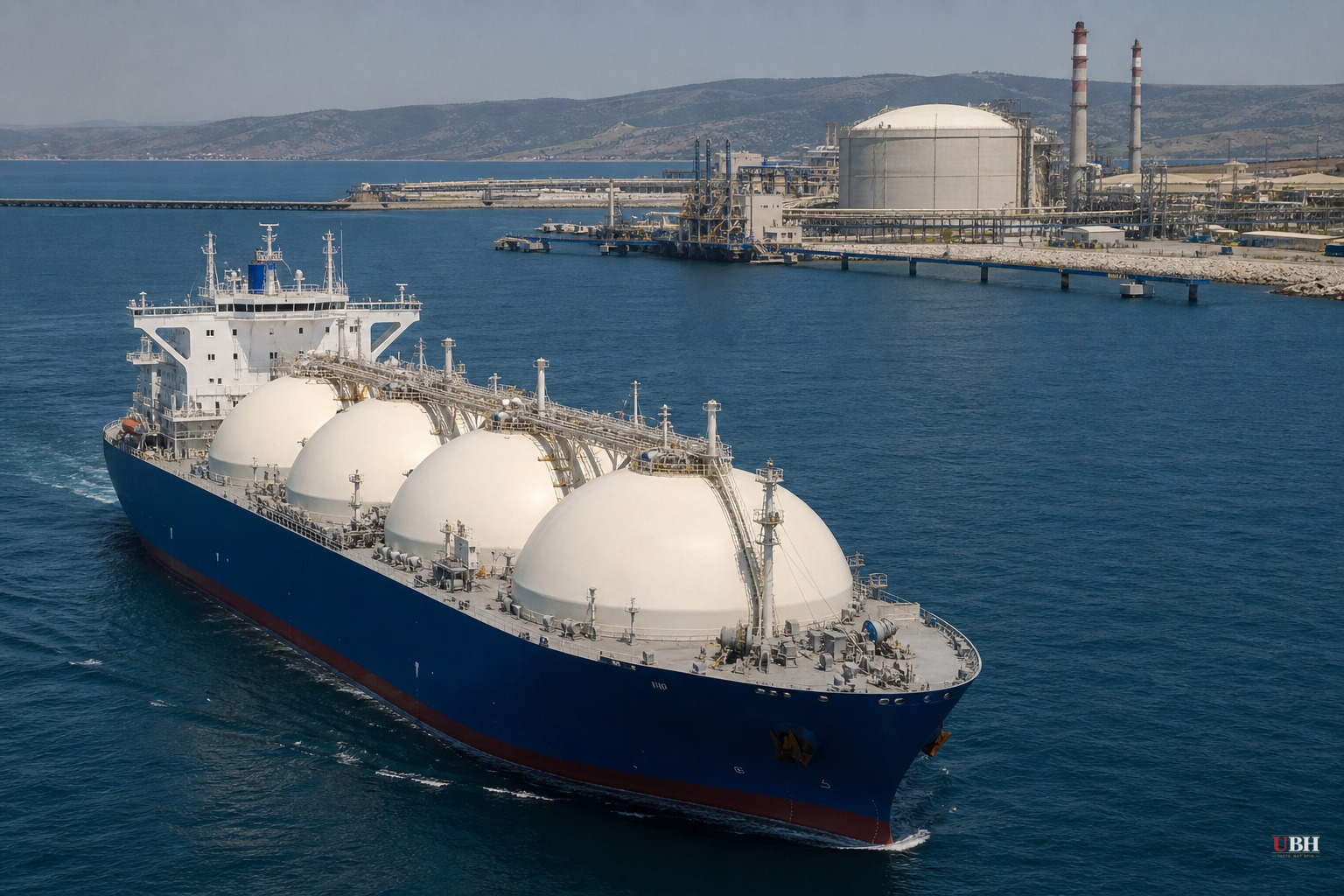
The European Union finalized its 21st sanctions package against Russia on Thursday, July 23, after nearly two months of negotiations, expanding tanker blacklists and bank sanctions while quietly carving out an exception that shows just how much leverage China now holds over Europe's Russia policy.
European Commission President Ursula von der Leyen announced the deal Thursday morning, according to Maritime Executive. She said the package continues to weaken Russia's ability to fund its war, timed to what she described as Ukrainian military momentum on the battlefield.
The numbers are real. The EU is adding 41 more vessels to its sanctioned tanker list, on top of 632 already blacklisted. For the first time, the sanctions extend to five bunker ships accused of refueling Russia's so-called shadow fleet, the tankers Moscow uses to move oil while dodging Western price caps. Thirty-two more banks got added to the sanctions list, along with crypto firms, oil traders, Russian ports, and at least one oil refinery.
The oil price cap mechanism also got extended for 12 months, through July 2027, suspending an adjustment formula from the 18th sanctions package. The Commission says this stops Russia from cashing in on oil price swings tied to the ongoing closure of the Strait of Hormuz.
Kaja Kallas, the EU's foreign policy chief, framed it as sustained pressure. "With each round of sanctions, we squeeze Russia's economy and its capacity to prolong its illegal war," she said, according to Maritime Executive. The Commission claims two-thirds of the liquid assets in Russia's sovereign wealth fund have been drained since the war began.
The Greek carve-out, and why China is the reason
Greece threatened to veto the entire package unless the EU backed off a proposed ban on Greek companies transporting Russian LNG to non-EU countries, according to the South China Morning Post.
Greek shipping firms are a massive player in the global tanker fleet, and much of that fleet was financed through long-term loans from Chinese lenders, who in some cases also hold ownership stakes in the shipping companies themselves. A senior EU official told the South China Morning Post that if Greek firms lost the LNG business and couldn't repay those loans, the ships would simply revert to their Chinese creditors. The official called it "very serious" and "a very big risk."
The EU is holding back from sanctioning its own member state's shipping sector, not because of humanitarian concerns or fear of energy shortages, but because doing so could functionally transfer strategic maritime assets to Beijing. To resolve it, the bloc agreed to let EU operators keep hauling Russian LNG to third countries for one more year, with a formal review baked in after three months to decide whether to make the exemption permanent.
If Chinese state-linked entities already hold financing leverage over a chunk of the world's LNG tanker fleet, handing them outright ownership by squeezing Greek operators out of business would trade one problem for a bigger one. Nobody in these reports disputes that the loans and shareholder arrangements are real. The question is how much of Europe's Russia sanctions architecture will keep bending to avoid Chinese leverage elsewhere in the supply chain.
What else got softened
The Greek carve-out wasn't the only compromise. The package also adds a notification requirement, not an outright ban, on LNG tanker sales to third countries, with the Commission set to review in three months whether to make it permanent. Russian ports and at least one refinery are getting listed, but there's no indication in these reports of a broader ban on Russian energy exports overall.
The package still needs final formal approval from EU member states before taking effect, according to Maritime Executive. It comes as both Russia and Ukraine have escalated missile and drone attacks against each other in recent days, according to the New York Times' ongoing live coverage of the war.
The gap between the announcement and the substance
Maritime Executive's coverage leans into von der Leyen and Kallas's framing of relentless pressure on Moscow, listing the new bank and tanker additions without dwelling on the exemptions. The South China Morning Post's reporting fills that gap, focusing specifically on the Greek veto threat and the Chinese financing angle that forced Brussels to blink. Neither outlet disputes the other's numbers. They just tell different halves of the same negotiation.
The open question now is whether that three-month review clause on the LNG notification rule, and the one-year Greek carve-out, become permanent fixtures of EU sanctions policy or genuinely temporary bridges. Given that Chinese lenders' leverage over Greek shipping isn't going away in 90 days, the exemption is unlikely to disappear on schedule.
Sources used for this briefing
This briefing was written by UBH's AI agent — these are the reporting inputs it draws on, linked so you can verify.


