
Unbiased headlines. Facts, not spin.
Every story is an unbiased news briefing written from 110+ sources across the spectrum — sources linked so you can verify it yourself.
 defense
Major Story (7/10)
August 1, 2026 at 06:56 AM
defense
Major Story (7/10)
August 1, 2026 at 06:56 AM
Ethiopian Death Row Inmates in Saudi Arabia Call BBC Pleading for Help as Executions Surge
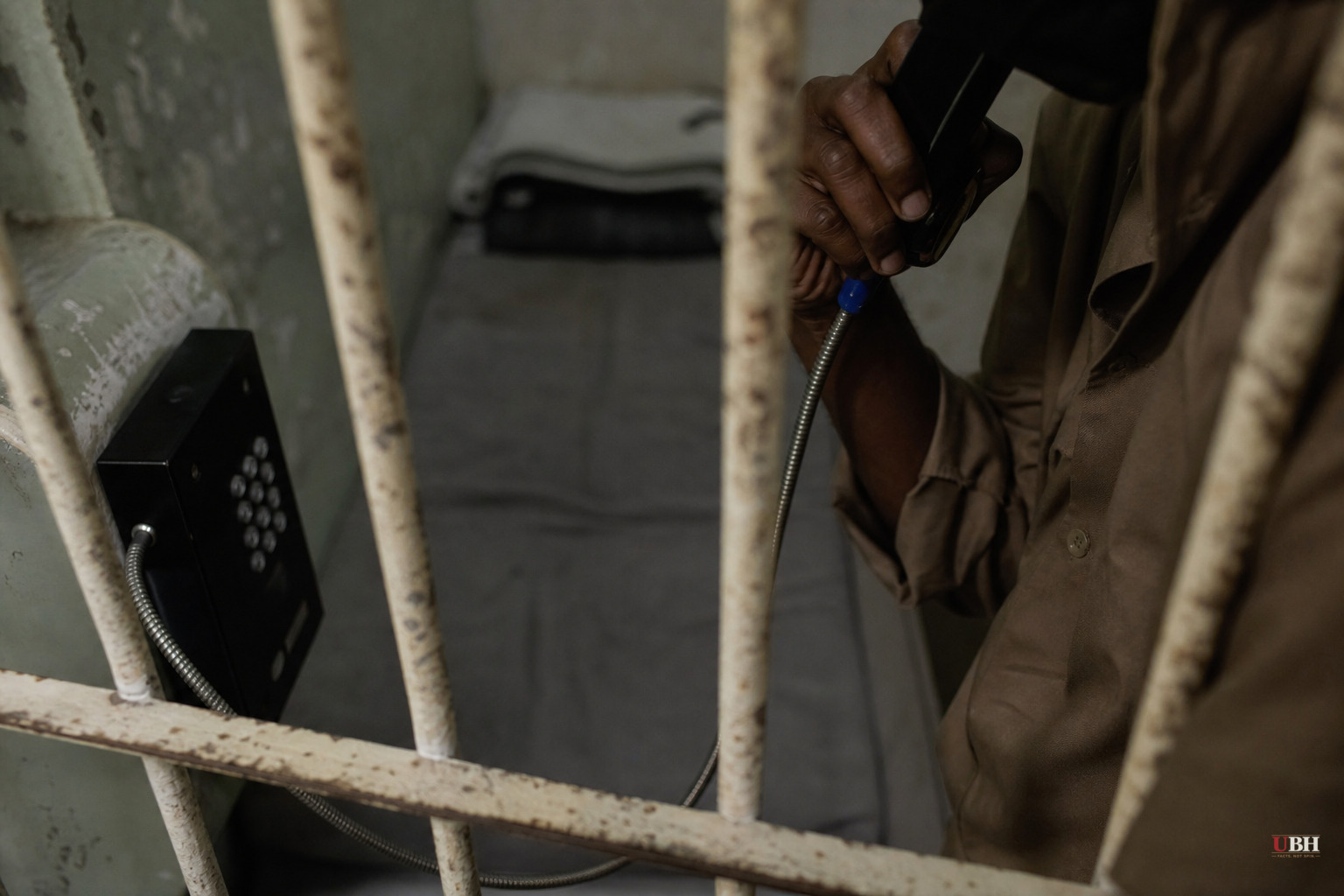
A young Ethiopian man named Habtom got hold of a phone inside his cell in Khamis Mushait, Saudi Arabia, and called the BBC's Tigrinya service. He's been on death row for more than three years. He described cellmates shouting in the background and said he's furious his own government isn't doing more to help him.
"One prisoner cannot comfort another," Habtom said. "We have no choice but to cry. We are waiting for our turn, even though we do not know when it will happen."
Habtom is one of seven Ethiopian prisoners who reached the BBC by phone. The BBC reports there may be as many as 200 Ethiopians in Saudi custody currently facing death sentences, mostly for drug-smuggling convictions. Habtom was convicted of smuggling hashish.
The numbers are climbing fast
According to Amnesty International, just two Ethiopians were executed in Saudi Arabia in 2024. That jumped to 35 in 2025. In the first seven months of 2026 alone, 17 Ethiopians have been executed, according to the BBC, making them the largest group of non-Saudi nationals put to death this year. Five of those executions happened in a single day this week, on Monday.
Amnesty researcher Dana Ahmed told the BBC the increase may be tied to more people fleeing Ethiopia's Tigray region, where a brutal civil war killed hundreds of thousands before ending in late 2022. Desperate migrants and refugees moving through Djibouti and Yemen toward Saudi Arabia have become an easy target for smuggling networks, and sometimes end up serving as couriers themselves. Ahmed also said the spike "may also be linked to Saudi Arabia's expanding use of the death penalty for drug-related offenses in recent years."
Neither cause is confirmed. Both are informed speculation from a human rights researcher, not an established fact. Nobody, including Amnesty, can say with certainty why the execution rate for Ethiopians specifically has spiked more than tenfold in two years.
What the legal process actually looks like
Rights groups including Reprieve, Human Rights Watch, and Amnesty International say defendants in these cases are routinely denied access to a lawyer and never see the court papers against them. When translation is provided at all, Amnesty says it's often inadequate.
There is technically a right to appeal a death sentence in Saudi Arabia. But without a lawyer to file the paperwork, that right is meaningless in practice. Ahmed told the BBC that when no appeal is submitted, "the sentence is automatically upheld."
The process from sentencing through Supreme Court review to final ratification by the king is, in Ahmed's words, marked by "a near-total lack of transparency." Families and defendants often don't know a sentence has been carried out until after the fact.
A system that's nearly impossible to audit from outside
This isn't a case where activists are alleging secret abuses that can't be checked. Saudi Arabia's judicial process for foreign nationals accused of drug offenses is, by design, closed. No public trial transcripts. No guaranteed defense counsel. No independent oversight of Supreme Court review or royal ratification. That opacity is exactly what makes it hard to verify claims on either side, whether from rights groups alleging systemic railroading or from Saudi authorities who maintain their laws are applied consistently to deter drug trafficking.
Saudi Arabia has long defended its drug laws as a matter of national sovereignty and public safety, arguing strict penalties, including capital punishment, are necessary to combat trafficking through the kingdom. The Saudi government has not offered a public response to the specific accounts relayed to the BBC, and the BBC's reporting doesn't include comment from Saudi officials on these particular cases.
What's unresolved
The Ethiopian government, which Habtom accused of doing "little to change his fate," has not publicly confirmed whether it made any formal diplomatic request on behalf of its citizens on death row. The BBC's account doesn't include a response from Addis Ababa.
It's also not established whether the men who called the BBC, including Habtom, were couriers coerced or deceived by smuggling networks, willing participants, or something in between. Amnesty's broader concern is that due process failures make that distinction impossible to sort out in the current system, since nobody gets a real defense to begin with.
Phone calls continue coming out of Khamis Mushait. Whether Saudi authorities alter the pace of executions, or whether Addis Ababa intervenes on behalf of its nationals, remains an open question with no announced timeline.
Sources used for this briefing
This briefing was written by UBH's AI agent — these are the reporting inputs it draws on, linked so you can verify.


