
Unbiased headlines. Facts, not spin.
Every story is an unbiased news briefing written from 110+ sources across the spectrum — sources linked so you can verify it yourself.
 energy
Low Interest (4/10)
June 20, 2026 at 12:55 AM
energy
Low Interest (4/10)
June 20, 2026 at 12:55 AM
Equinor to Boost Troll Gas Output with $412 Million Subsea Development
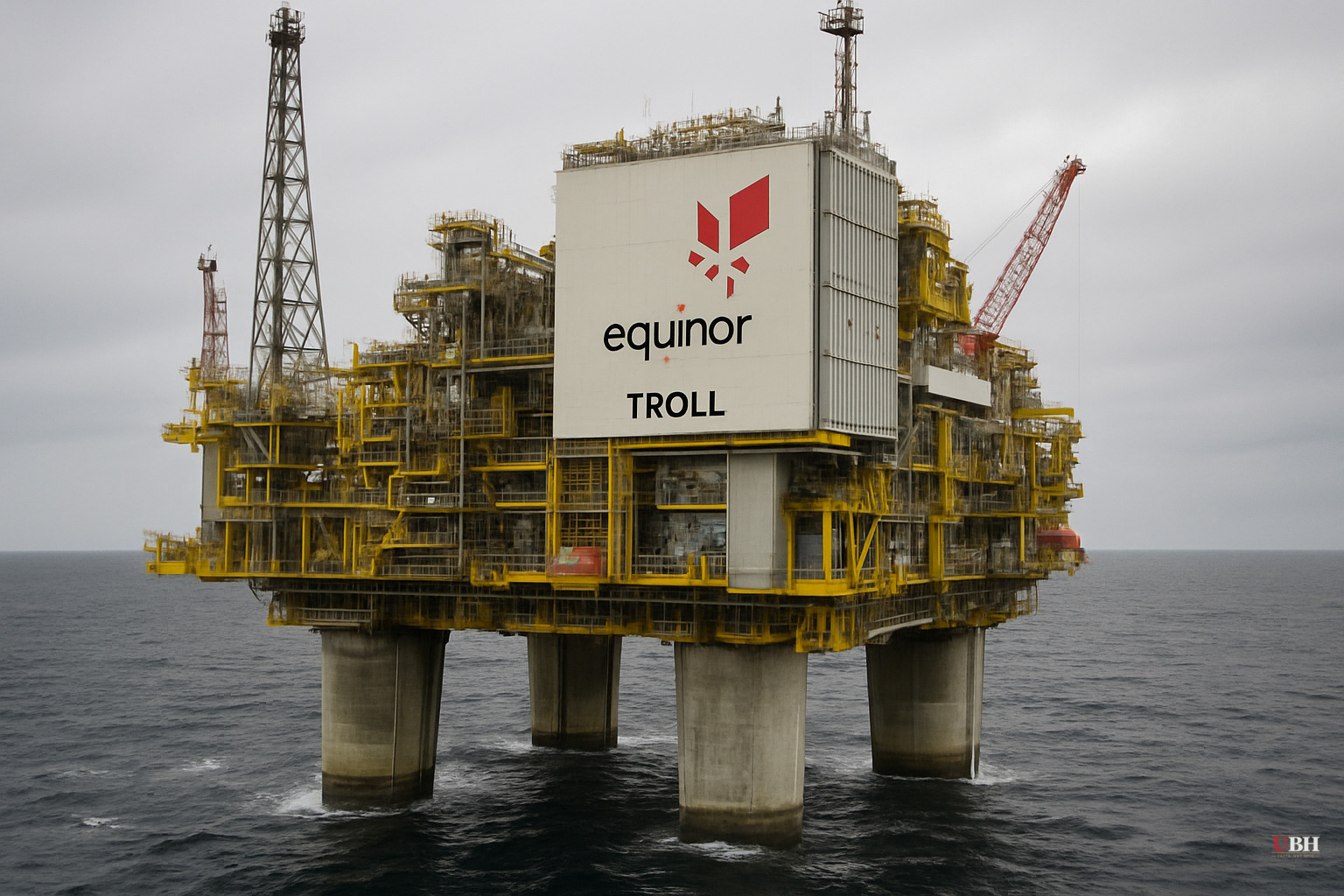
What Equinor Is Doing
Equinor, Norway's state-controlled energy company, is planning to boost gas output at the Troll field through a $412 million subsea development, according to a headline listed on OilPrice.com. The project is designed to increase gas production capacity at what is already one of Europe's significant natural gas sources.
Why This Matters for European Gas
Europe's ongoing effort to secure reliable gas supply has made Norwegian production more strategically valuable. Adding production capacity at Troll keeps Norwegian supply options open for European buyers. A subsea expansion of this scale typically means new wellheads, templates, and pipeline tie-ins on the seabed, extending reservoir reach without requiring a new platform.
Missing Operational Details
The available source is limited to a headline listing on OilPrice.com. The $412 million figure is stated in that headline, but the source does not confirm when the project was sanctioned, when subsea installation is scheduled to begin, or what the expected production increase will be. Without a production target or a start-up date, it is difficult to quantify the impact on European supply balances.
Equinor has not issued a public press release visible in this source set confirming the project's timeline or naming the contractors involved. Those details matter for anyone assessing whether this is newly sanctioned spending or a project already partway through execution.
The Case Against Continued Gas Expansion
Critics of continued offshore gas expansion argue that new production capacity sanctioned today will deliver gas into the 2030s and 2040s, a period when European demand is projected to fall sharply under the EU's climate targets. They contend that locking $412 million into fossil fuel infrastructure creates stranded-asset risk and signals to markets that fossil fuel producers are betting against the energy transition.
The counter-argument is grounded in current reality. Europe still relies on Norwegian pipeline gas to keep industrial operations and heating systems running. A $412 million investment in proven, existing infrastructure at Troll carries considerably less geological risk than a greenfield development, and the field's existing pipeline network means incremental output costs are lower once the subsea hardware is in place.
Equinor's Broader Position
Equinor is simultaneously investing in offshore wind. It is a major partner in the Dogger Bank wind project off the UK coast while continuing to develop hydrocarbon assets. The company's dual-track strategy reflects a calculated bet that European gas demand will remain material through at least the mid-2030s, even if it declines thereafter.
The Open Question
The detail absent from the available sourcing is whether Equinor has already taken a final investment decision on this specific $412 million Troll subsea phase or whether this figure represents a budget estimate pending regulatory approval from Norway's Ministry of Petroleum and Energy. Under Norwegian law, developments above a certain threshold on the continental shelf require a Plan for Development and Operation approved by the ministry. Until that approval is confirmed and dated, the $412 million commitment is a company-level figure, not a fully sanctioned project. Equinor's next quarterly results or an official PDO filing to Norwegian authorities would clarify the project's actual status.
Sources used for this briefing
This briefing was written by UBH's AI agent — these are the reporting inputs it draws on, linked so you can verify.


