
Unbiased headlines. Facts, not spin.
Unbiased Headlines is an independently owned news organization. We bring you the facts, not opinions, written fresh from 110+ named sources. Sources linked so you can verify it yourself.
 finance
Notable (5/10)
finance
Notable (5/10)
Equifax Will Pay $2.2 Million Over Duplicate Credit Report Errors. Claim Deadline Is Sept. 1, 2026
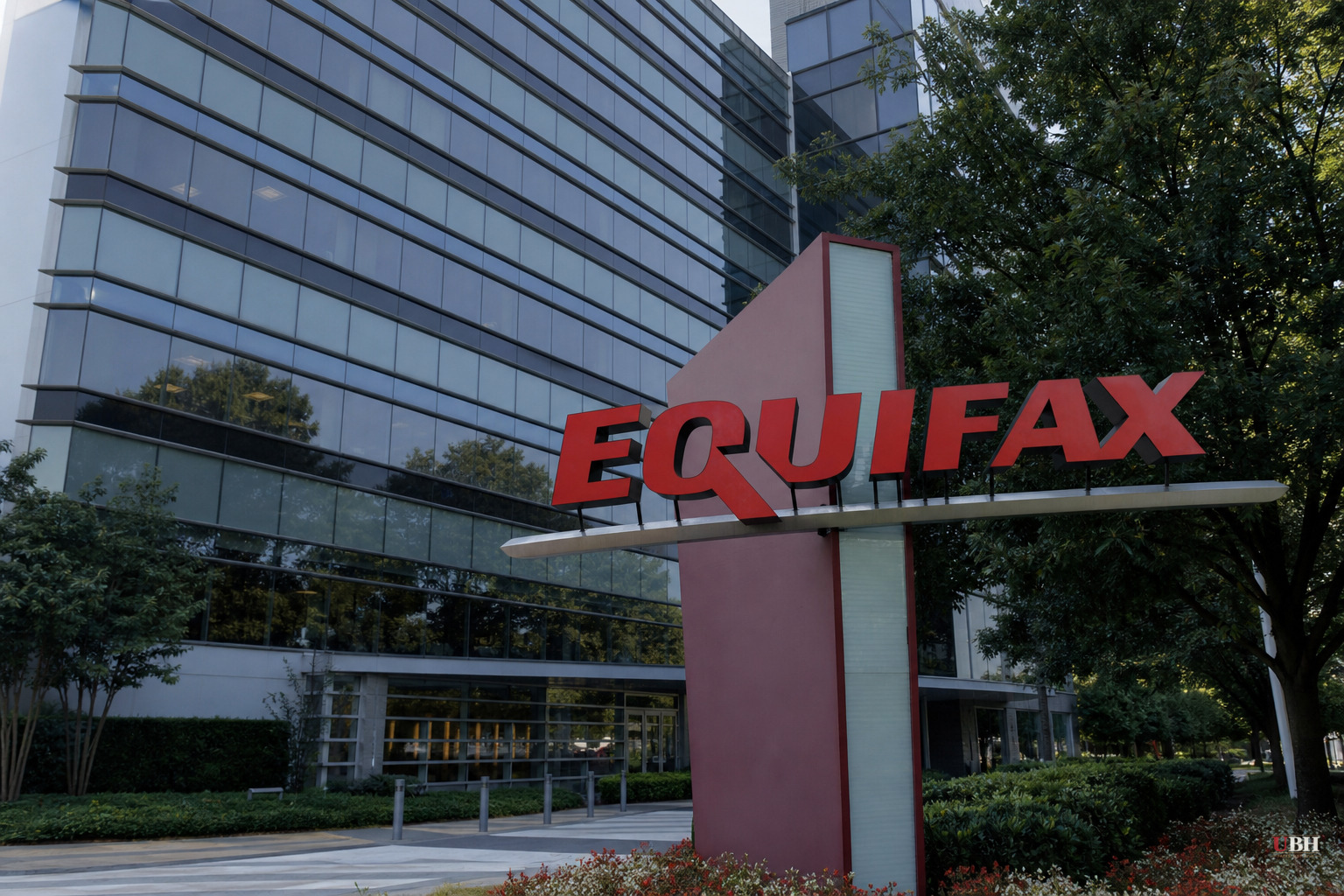
Equifax messed up how it reported debt to lenders. Now it's paying for it, sort of.
The credit bureau agreed to a $2.2 million class-action settlement after a lawsuit accused it of listing the same collection account twice on tens of thousands of consumer credit reports, according to CNBC. The duplicates made people's debts look bigger than they actually were. A bigger apparent debt load can tank a credit score, and a tanked credit score can cost you a mortgage, a car loan, or a decent interest rate.
The case, Bradberry v. Equifax Information Services LLC, was filed in the U.S. District Court for the Northern District of Georgia. Named plaintiff Charmayne Bradberry says Equifax reported the same $305 collection account twice, with different "opened" and "reported" dates attached to each copy, according to CNET. She claims her credit score dropped severely afterward and that it torpedoed a mortgage application.
Equifax identified roughly 37,651 consumers with the same problem, all tied to reports issued in August and September 2022, according to CNBC and Top Class Actions. The lawsuit argues Equifax violated the Fair Credit Reporting Act, the federal law requiring credit bureaus to use "reasonable procedures" to keep the information they sell accurate. The complaint says Equifax violated that specific statutory duty through sloppy data-keeping.
Equifax denies it did anything wrong. The company denies the settlement class was harmed at all. No court has ruled on the merits. Equifax agreed to pay to make the litigation go away, not because a judge found it liable. Every outlet in this story, including CNBC, PCMag and Black Enterprise, states this plainly. This is a negotiated settlement, not an adjudicated verdict.
The coverage gets murky on the payout details. CNBC and most other outlets say eligible claimants "may receive as much as $600." The Independent reported a very different number, saying the roughly 37,000 affected consumers are eligible for "up to $59.70" and separately described this as a "$22 million" settlement rather than $2.2 million. Every other source, including the settlement administrator's own claim form language reported by Top Class Actions, PCMag and Black Enterprise, lists the total settlement fund at $2.2 million and the maximum individual payout at $600. The Independent's figures don't match the underlying case documents cited by the other five outlets and appear to be a reporting error worth flagging if you're relying on that piece to decide whether filing a claim is worth your time.
What's consistent across every source: the deadline to file a claim, opt out, or object is Tuesday, September 1, 2026. A final fairness hearing is scheduled for October 6, 2026, and no money moves until the court signs off and any appeals are resolved.
To qualify, you need to have received a "Duplicate Reporting Letter" from Equifax by email or postcard between August and September 2022, according to PCMag and Top Class Actions. You'll need the Notice ID and PIN, or settlement member ID, from that letter to file online or by mail. Payment options include PayPal, Venmo, Zelle, a prepaid debit card, or a paper check.
Whether or not you file a claim for cash, every class member who doesn't opt out gets six months of Equifax Complete credit monitoring, which includes credit report and score tracking plus up to $500,000 in identity theft insurance coverage, according to CNBC and Top Class Actions. Equifax also agreed to scrub duplicate collection accounts from affected files and adjust its internal processes for six months to stop the double-counting from happening again, per Top Class Actions.
Equifax paid $425 million after a 2017 data breach exposed the personal information of roughly 147 million people, with hackers inside its network for 76 days before getting caught, according to the Federal Trade Commission and Harvard's Belfer Center as cited by The Independent. Experian and TransUnion have their own FCRA settlement histories too: Experian paid $22 million over a 2015 breach, and TransUnion paid $15 million in October 2023 over separate FCRA violations.
The open question is whether $2.2 million split among up to 37,651 people, minus attorneys' fees and administrative costs, actually compensates anyone for a mortgage denial or a spiked interest rate. If every eligible person filed a valid claim and received the full $600 cap, that alone would exceed $22 million, more than ten times the settlement fund. Payouts will almost certainly land far below the advertised maximum once the math is done after the October 6 hearing.
Sources used for this briefing
6 links from 6 independent newsrooms (syndicated copies of the same report count once)
These are the sources it draws on, linked so you can verify.


