
Unbiased headlines. Facts, not spin.
Unbiased Headlines is an independently owned news organization. We bring you the facts, not opinions, written fresh from 110+ named sources. Sources linked so you can verify it yourself.
 finance
Notable (6/10)
Indonesia Plans Panda Bond Sale of Up to 10 Billion Yuan as Prabowo Vows Not to Be 'Intimidated' by MSCI
Since MSCI said Oct. 15 it may cut Indonesia to "standalone" status, a move that hit Jakarta trading on Friday, Oct. 16, the government has shifted from damage control to open defiance, and is lining up fresh money from China.
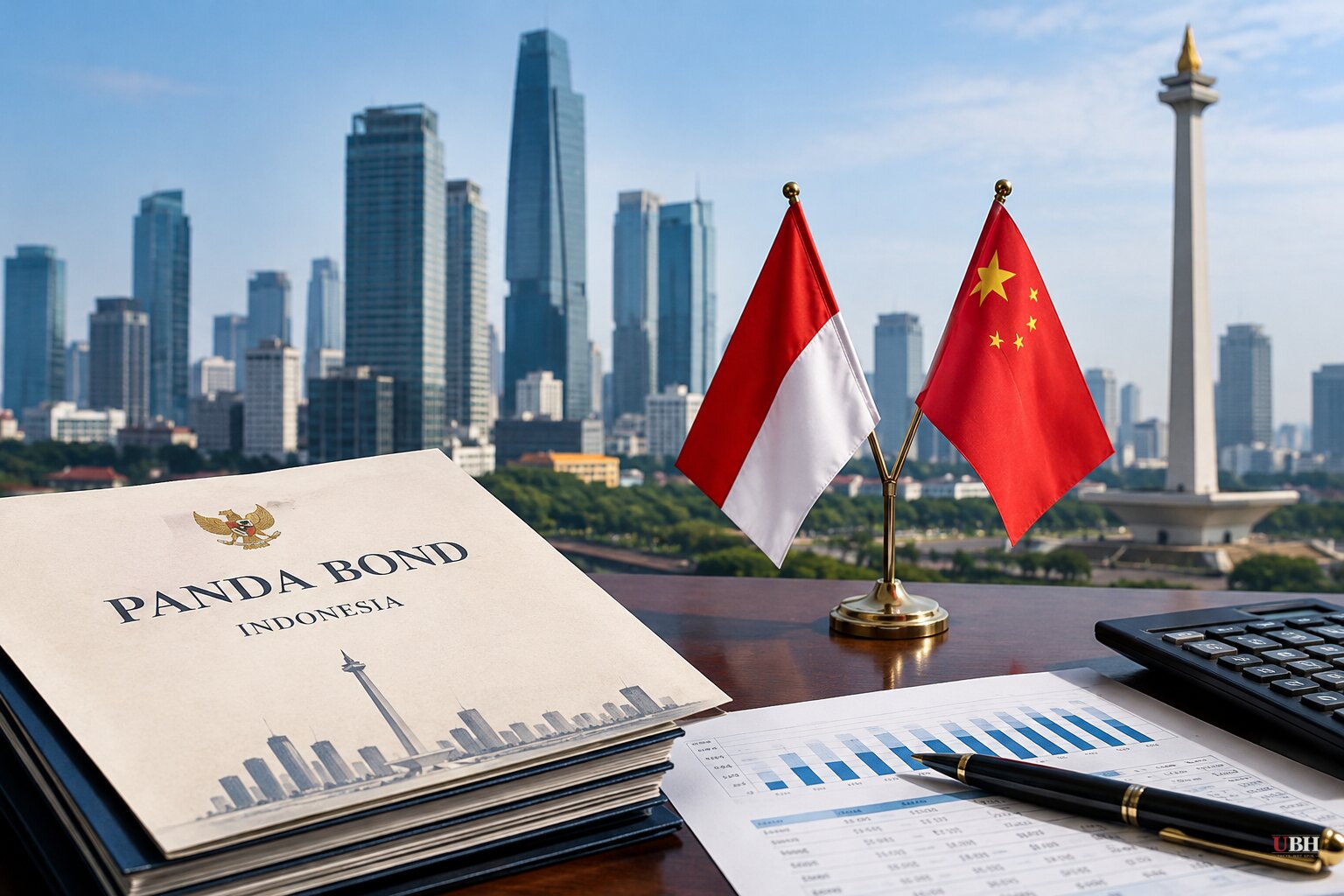
Indonesia is seeking to raise as much as 10 billion yuan (about RM6.11 billion) in a panda bond sale, according to people familiar with the matter who spoke to Bloomberg. Indonesian officials met investors in Shanghai on Thursday, Oct. 22.
Suminto, director general of budget financing and risk management at the Finance Ministry, confirmed the size and timing on the record. He put the indicative range at 7 billion to 10 billion yuan, with issuance planned for November through early December. The people familiar said maturities could be three, five and seven years.
"The cost of funds for panda bonds is relatively lower and China's financial markets remain fairly stable," Suminto said. He described the sale as part of an effort to diversify instruments and widen the investor base.
The financing
This would be Indonesia's second panda issuance. A debut in July raised 7 billion yuan, with three-year notes at 1.9% and five-year notes at 2.19%. A public filing shows Indonesia has Chinese regulatory clearance for up to 30 billion yuan of panda bonds from 2026 through 2028.
Bloomberg data show panda issuance across emerging markets at nearly 250 billion yuan this year, already above last year's total of about 184 billion yuan.
Indonesia has also tapped international debt markets in several currencies this year, including the euro, yen and offshore yuan.
Prabowo's response
At a cabinet meeting Wednesday, Oct. 21, Prabowo rejected MSCI's proposal in blunt terms. "They are trying to intimidate us," he said. "I simply want to tell MSCI: the Indonesian nation fears no one and will never back down."
"We have the strength, the courage and we are willing to make sacrifices, and we refuse to surrender," he added.
MSCI frames it differently. The index provider cited "continued suspected coordinated trading behavior and lack of evidence of meaningful enforcement." It also pointed to opaque shareholding structures. It said it expects to go ahead with its decision in June unless it sees clear evidence of material improvement in market governance.
Jakarta has announced reforms, including more ownership disclosure and higher minimum free-float requirements. MSCI said institutional investors want consistent implementation and proof the changes have an impact.
Felix Darmawan, an analyst at PT BCA Sekuritas, said MSCI was "basically calling out the Financial Services Authority on opaque structures and lack of real enforcement." He said June 2027 gives the regulator time to clean house, but that "the damage to foreign confidence starts right now."
The fight has also turned diplomatic. Former trade minister Muhammad Lutfi has accused Singapore's state investors Temasek and GIC of pressuring MSCI to trigger a sell-off so foreign investors could buy strategic Indonesian assets cheaply. Both entities denied the allegations, and a Temasek executive called them "patently untrue." Jeffrey Hendrik, president director of the Indonesia Stock Exchange, pushed back on the conspiracy claims on Oct. 20, saying the exchange believes global index providers are independent.
Markets and money at stake
The Jakarta Composite Index fell nearly 12% on Oct. 16, its biggest one-day drop since January 1998, triggering a 30-minute trading halt. It rose for a third straight day on Thursday, Oct. 22. It is still down more than 10% since MSCI's announcement and nearly 40% for the year, making it the world's worst-performing major market in 2026.
Estimates of the potential outflows vary. Mirae Asset Sekuritas Indonesia puts passive outflows from a standalone reclassification at about $3 billion, based on Indonesia's remaining MSCI weight of roughly 0.4%. Citigroup puts the figure at mid-single-digit billions. When MSCI floated a drop to "frontier" status in January, the threatened passive outflow was as much as $13 billion.
Standalone status would put Indonesia in a category with Argentina, Nigeria and Ukraine, and would remove it from MSCI's main global and regional indexes.
Pressure at home
Prabowo's political standing is eroding as he nears two years in office, a milestone that falls on Saturday, Oct. 24. A Saiful Mujani Research and Consulting poll puts his approval at 44.5%, down from 81% in November, driven mainly by dissatisfaction with the economy.
More than six in 10 Indonesians say they are unhappy with the free meal program. Seventy-one percent doubt the village cooperatives plan, which calls for hubs in roughly 80,000 communities, will succeed.
More than 9,000 police were deployed across Jakarta this week ahead of events marking the anniversary, amid more frequent protests. Commentator Gregory Copley, writing in the Epoch Times, has also flagged concern about a budget deficit that has ballooned since Prabowo began a sweeping military modernization.
Wildfire haze is adding to the strain. Singapore and Kuala Lumpur rank among the world's most polluted cities, and Singapore has threatened to prosecute companies responsible for the fires. Prabowo has said he is open to foreign help but also complained that Indonesia is "often insulted."
The next concrete test is the panda bond, slated for November through early December. MSCI's final decision comes by the end of June 2027, and the open question is whether regulators can show enforcement results by then.
Sources used for this briefing
7 links from 7 independent newsrooms (syndicated copies of the same report count once)
These are the sources it draws on, linked so you can verify.


