
Unbiased headlines. Facts, not spin.
Unbiased Headlines is an independently owned news organization. We bring you the facts, not opinions, written fresh from 110+ named sources. Sources linked so you can verify it yourself.
 finance
Major Story (7/10)
Event date: October 12, 2026 ·
US Interest Bill Hits Record $1.05 Trillion as Treasury's Yield Interventions Fail to Bring Rates Down
The federal government paid $1.05 trillion in net interest for the fiscal year that ended Sept. 30, Treasury Department data show. That is up more than 8% from $970 billion in fiscal 2025.
It is a record. The Peter G. Peterson Foundation projects the bill will reach 3.2% of GDP, topping the previous high set in 1991. Third-quarter GDP figures are due later this month.
The debt is bigger and costs more
Two things drove the number. One key measure of the debt now exceeds $32 trillion, about $10 trillion more than five years ago. And the average rate on marketable Treasuries was 3.52% at the end of September, more than double the 1.47% of five years earlier.
That five-year window covers both the Biden and Trump administrations. Fiscal 2026, though, ran entirely on the current administration's watch, from October 2025 through September 2026.
Bessent's two interventions
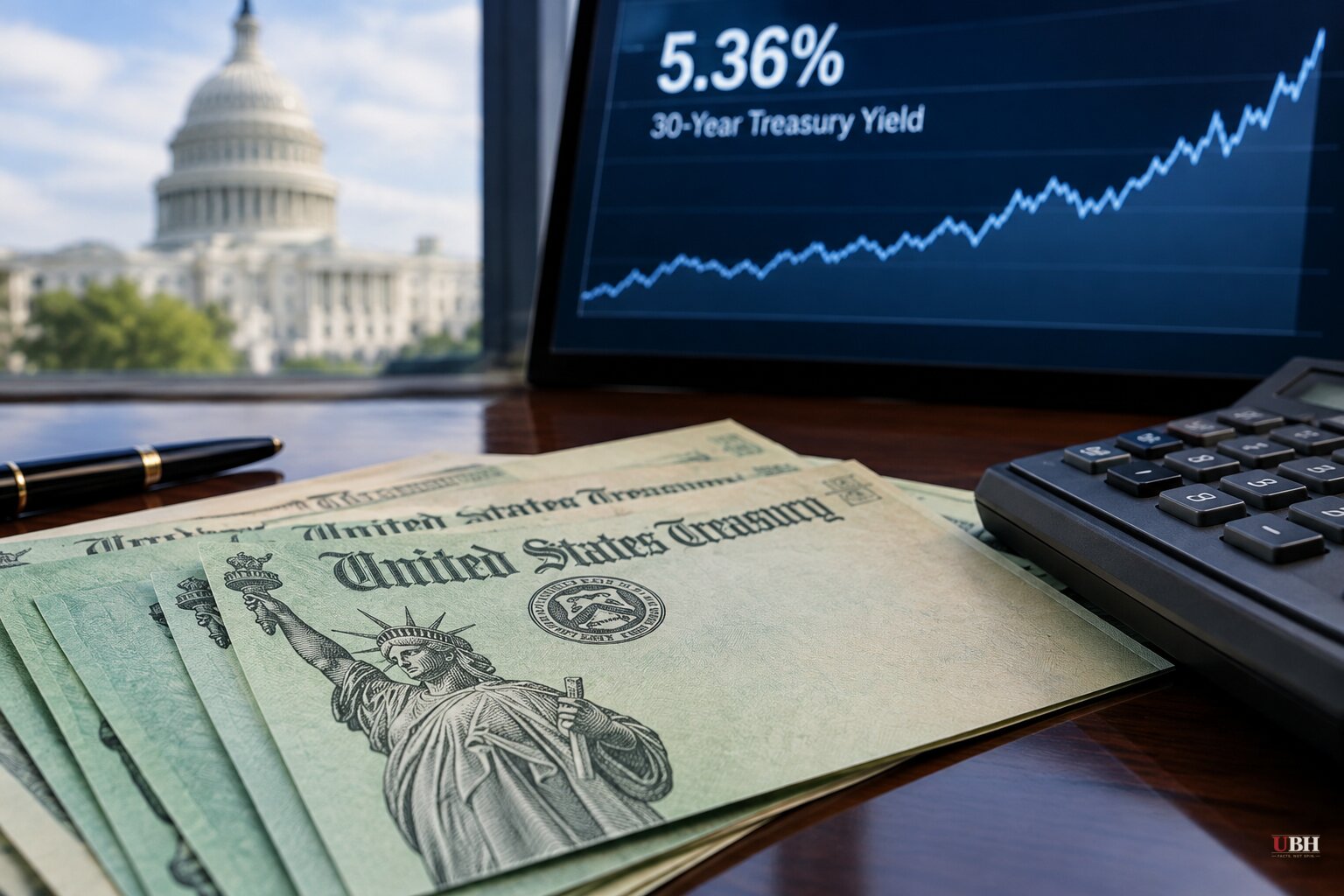
The 30-year Treasury yield recently climbed to 5.36%, a 19-year high, according to Benn Steil, senior fellow and director of international economics at the Council on Foreign Relations. Steil says that alarmed the administration and pushed Bessent into two unusual moves.
The first was an expanded buyback program for long-term debt. The second was a July 31 operation with Japan's Ministry of Finance to strengthen the yen without selling Treasuries. The New York Fed, acting for Treasury, bought yen with euros from the Exchange Stabilization Fund.
The yen did move, from ¥164 to the dollar to ¥155. But Japan later disclosed it spent roughly $99 billion on intervention between July 30 and Aug. 25. Its reported foreign-securities reserves fell by a comparable $88 billion.
Steil says that strongly suggests Japan paid for much of the intervention by selling Treasuries, the very thing the plan was meant to avoid. He notes the reserve figures do not identify which securities were sold and partly reflect valuation changes.
The CFR's four experts conclude that neither buybacks nor the yen operation has brought yields down. Because U.S. yields anchor bond markets worldwide, the pressure is being felt abroad. The group also points to AI-related spending and higher oil prices since the start of the Iran war as factors in the sell-off.
Bessent's answer
Bessent has a different read. In remarks late Monday, he said the administration inherited "a big stack of debt" and is "constraining spending and growing the economy." He also pointed to a return of higher tariff revenue after a one-time round of $180 billion in refund payments.
Market strategists were not convinced, citing the scale of current borrowing. The numbers back the point that the deficit is large. Whether growth and restraint can close it is the open dispute, and the interest bill is moving the wrong way while that plays out.
On Oct. 23 the Financial Times published a column headlined "Beware Bessent's tilt towards short-term debt." Shorter-dated debt has to be refinanced more often, which exposes the government to whatever rates prevail at each rollover.
Warsh and Bessent: aligned goals, possible friction
Political analyst Mark Halperin argues the Treasury secretary and the Fed chairman could end up pulling against each other. Warsh's Fed has raised rates to fight inflation. Bessent is trying to hold down the cost of financing the debt.
Halperin leans on an analysis by financial researcher Luke Gromen. Gromen's theory is that hedge funds, often using borrowed money, now hold a growing share of Treasuries. A rate hike that shakes markets could force some of them to sell. A stronger dollar could push foreign holders to sell too. More bonds for sale means lower prices and higher yields.
In that scenario, a hike meant to cool inflation would raise mortgage rates and the government's interest bill without calming the bond market. Slower growth would also cut tax receipts and require more borrowing.
Halperin concedes the theory is "far from universally accepted." The conventional view is the opposite: rate hikes build confidence that inflation will fall, investors buy longer-term bonds, and yields drop. The 30-year's climb to 5.36% runs against that script, though CFR's experts do not tie it to the rate hike.
What comes next
A Fed that believes inflation needs another hike and a Treasury watching yields climb would face an uncomfortable choice, Halperin writes. Neither Warsh nor Bessent has said publicly that such a conflict exists.
The next test arrives soon. The quarterly GDP figures due later this month will show how much growth there is to lean on, and Treasury will keep selling new debt to replace maturing bonds at whatever rates the market demands.
Sources used for this briefing
6 links from 5 independent newsrooms (syndicated copies of the same report count once)
These are the sources it draws on, linked so you can verify.


