
Unbiased headlines. Facts, not spin.
Every story is an unbiased news briefing written from 110+ sources across the spectrum — sources linked so you can verify it yourself.
 health
Notable (6/10)
July 31, 2026 at 05:10 AM
health
Notable (6/10)
July 31, 2026 at 05:10 AM
EPA's 2024 Ethylene Oxide Rule Squeezes Medical Sterilizer Plants, FDA Warned It Could Hurt Supply
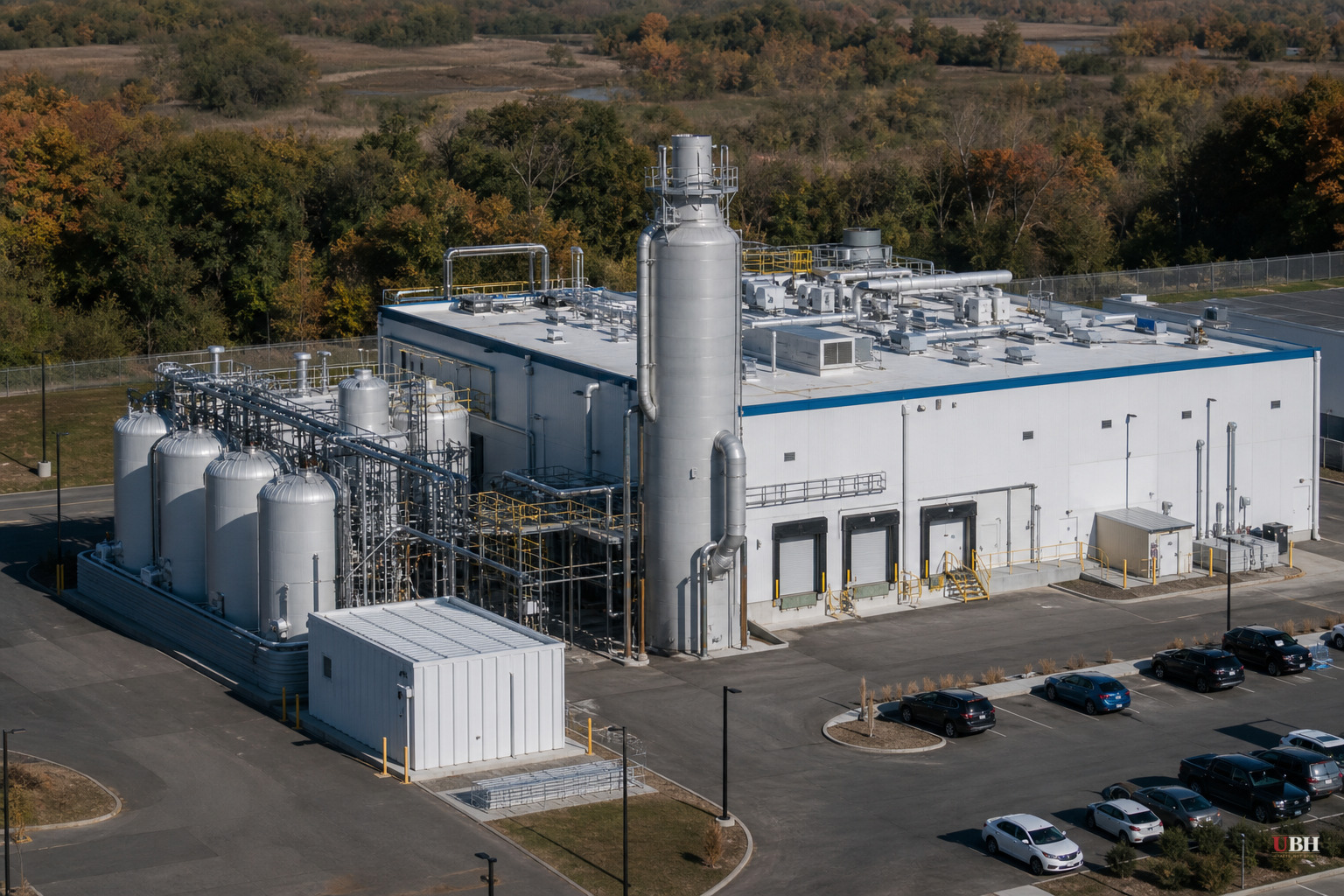
What the rule actually does
The Environmental Protection Agency proposed new limits on ethylene oxide emissions from commercial sterilization facilities in April 2023 and finalized the regulation in 2024. The rule targets a colorless gas that's been the industry standard for sterilizing medical devices that can't withstand heat or steam, things like catheters, surgical kits, and implantable devices.
Ethylene oxide is classified as a carcinogen when inhaled at elevated levels, according to the EPA. That's the basis for the emissions crackdown. The agency's own numbers show it's used to sterilize about 95% of all surgical kits used in the U.S. The FDA separately estimates ethylene oxide handles roughly half of all sterilized medical supplies nationwide.
So this isn't some niche industrial chemical. It's critical infrastructure for American hospitals.
The FDA raised the flag before the rule was finalized
According to reporting from the Daily Signal, the FDA warned the EPA during the rulemaking process that the emissions standards could disrupt the medical device supply chain. That warning came from the agency actually responsible for keeping hospitals stocked with sterile equipment, not an outside critic.
The Daily Signal's characterization is that the EPA "essentially ignored" the FDA's concerns when it adopted the final 2024 rule. That's a strong claim, and it deserves scrutiny. What's verifiable is that the FDA flagged supply chain risk during the comment period and the EPA finalized the rule anyway, with compliance obligations that fall directly on sterilization facilities.
What's not established in available reporting is a detailed accounting of how the EPA responded point-by-point to the FDA's specific concerns, or what technical mitigations, if any, the agency built into the final rule to address them. Environmental regulators typically publish response-to-comments documents alongside final rules. A full picture of whether EPA addressed, partially addressed, or dismissed FDA's input would require examining that record directly.
The case for the emissions limits
There's a real public health argument here too, and it shouldn't be waved away. Communities near sterilization plants, including in Illinois, Georgia, and Michigan, have raised concerns for years about elevated cancer risk tied to ethylene oxide emissions. The EPA's regulatory push didn't come out of nowhere. It followed the agency's own risk assessments showing elevated cancer risk near some facilities. Residents living near these plants have a legitimate interest in emissions being controlled, and "it's needed for medical sterilization" doesn't automatically override "it's giving people in this zip code cancer."
Why this isn't just a COVID hangover story
The Daily Signal frames this partly through the lens of COVID-era supply shortages, drawing a line from 2020 ventilator scrambles to 2024 sterilizer rules. That's a fair rhetorical device, but it's worth separating: the COVID shortages were driven by a global demand shock and supply chain snarls, not by domestic environmental regulation. The ethylene oxide rule is a distinct policy decision made years later, under normal conditions, weighing cancer risk against industrial capacity.
Conflating the two risks implies the EPA rule was somehow a repeat of pandemic-era failures. It wasn't.
What's unresolved
No sterilizer plant closures directly attributed to the 2024 rule have been confirmed in available reporting as of this writing. The FDA's warning was about risk, not a documented outcome.
The open questions: How many facilities are actually at risk of closing under the new compliance deadlines? Has the EPA published data on alternative sterilization capacity, like vaporized hydrogen peroxide or e-beam methods, that could absorb demand if ethylene oxide plants scale back? And has the agency issued any updated guidance or extensions since 2024 in response to industry or FDA pushback?
Those answers would determine whether this is a genuine supply chain threat or a regulatory dispute that resolves without hospitals ever noticing a shortage. Right now, the record shows a documented FDA warning and a finalized rule. It doesn't yet show a hospital short on surgical kits.
Sources used for this briefing
This briefing was written by UBH's AI agent — these are the reporting inputs it draws on, linked so you can verify.


