
Unbiased headlines. Facts, not spin.
Every story is an unbiased news briefing written from 110+ sources across the spectrum — sources linked so you can verify it yourself.
 energy
Major Story (7/10)
July 28, 2026 at 05:06 PM
energy
Major Story (7/10)
July 28, 2026 at 05:06 PM
EPA Exempts Data Center Power Plants From Acid Rain Rules as PJM Preps to Cut Their Power in 2027
Two different fixes for the same problem
The U.S. has a data center power problem, and two different agencies just answered it in two very different ways.
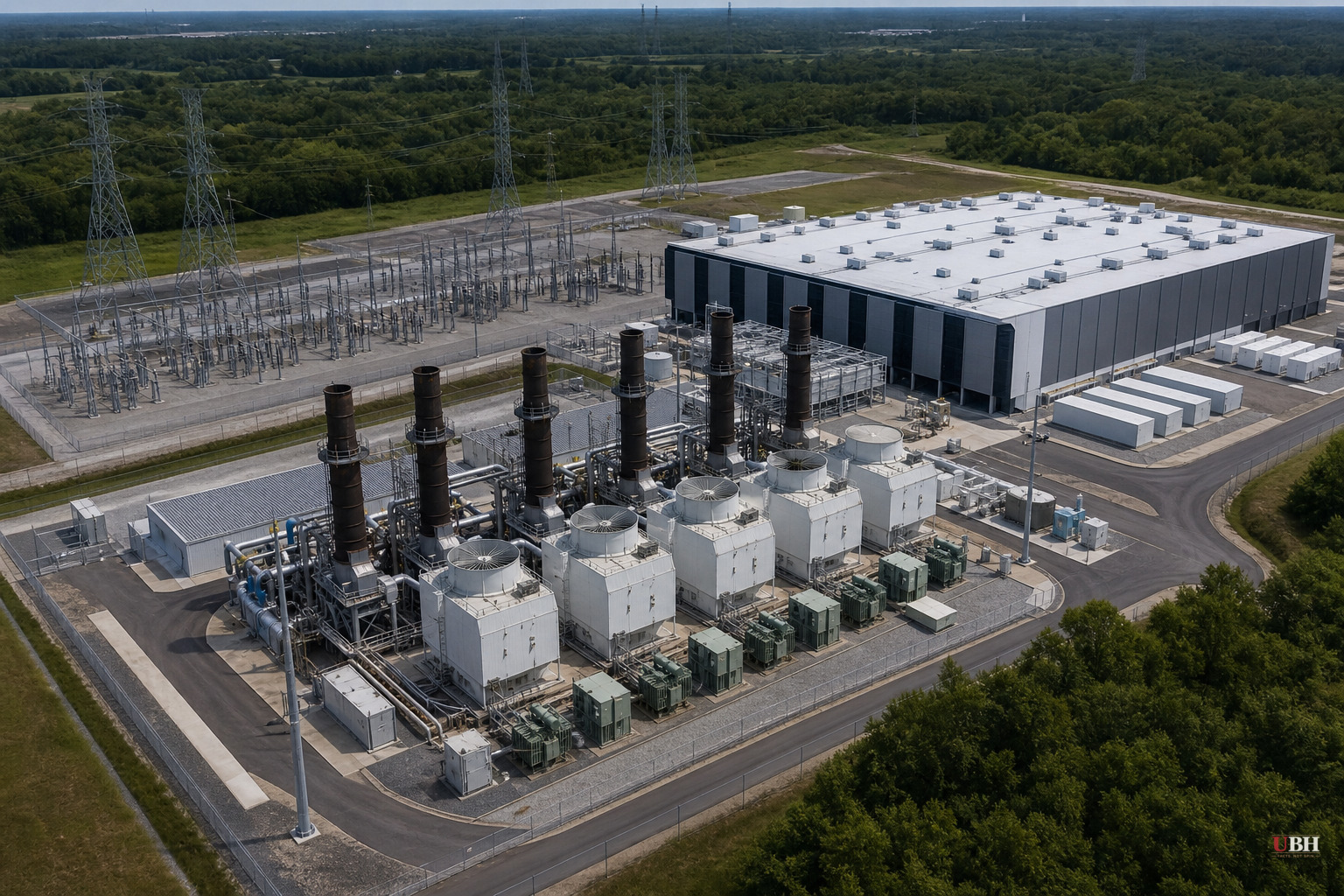
On July 16, 2026, the EPA's Assistant Administrator for Air and Radiation, Aaron Szabo, signed guidance saying the Clean Air Act's Acid Rain Program does not apply to "islanded" power plants, ones built to serve a single data center without connecting to the public grid. The EPA made it official in a July 27 announcement, framing it as part of President Trump's "Ratepayer Protection Pledge."
Meanwhile, PJM Interconnection, which runs the grid covering 67 million customers from Virginia to Illinois, announced it will start cutting power to data centers larger than 50 megawatts during shortages, starting in June 2027. That decision came after an auction to add new generating capacity fell short, according to TechCrunch.
One agency is easing the rules to get more private power plants built faster. The other is preparing to pull the plug on the biggest power users when the grid can't handle the load. Both are responses to the same reality: AI data centers are consuming electricity faster than anyone can build to meet it.
What the EPA guidance actually does
The Acid Rain Program, created under Title IV of the Clean Air Act, forces power plants to cut sulfur dioxide and nitrogen oxide emissions, the pollutants that cause acid rain and worsen respiratory and cardiac problems, according to the EPA's own materials. It's been federal law for decades.
The EPA's new interpretation says that law only applies to plants that sell electricity to the public or report as generating units to the Department of Energy. A power plant built solely to run a data center, and never connected to the public grid, does neither. So Szabo's guidance concludes it isn't covered.
There are close to 60 of these islanded power plants either operating or under construction nationwide, according to Engadget. If a company later connects one of these plants to the public grid, the EPA says it would then fall under the Acid Rain Program.
Szabo defended the move plainly: "Ensuring that the United States maintains our artificial intelligence dominance is essential to national security and economic prosperity," he said in the EPA's statement, adding the agency is "proud to further the President's agenda through commonsense approaches to regulating."
The strongest case for the exemption
The administration's argument has weight. Data center demand is outpacing what the grid can deliver. A July 2026 analysis from the Center for Strategic and International Studies found developers in some regions face waits of up to seven years to get new large loads connected, according to startupfortune. If AI infrastructure is genuinely a national security priority, and China is racing to build out its own AI capacity, waiting seven years for grid interconnection carries real costs.
Private, islanded power lets companies build faster without waiting in that queue. Microsoft's approach shows both paths: a 20-year deal with Constellation to restart Three Mile Island Unit 1, now the Crane Clean Energy Center, adding roughly 835 megawatts of grid power, alongside a separate 2026 agreement with Chevron for a dedicated 2.67-gigawatt gas plant in West Texas that would never touch the public grid at all, per startupfortune.
The strongest case against it
The counterargument is just as concrete. These plants still burn fuel and still emit sulfur dioxide and nitrogen oxides, regardless of whether the power goes to the public grid or a server farm. The pollutants don't care who the electricity is for. People living near a plant breathe the same air either way.
This week, Vantage Data Centers faced scrutiny over its apparent coordination with Virginia regulators to cast doubt on a report estimating tens of millions of dollars in annual health damages from diesel backup generators near a 96-megawatt data center in Northern Virginia, according to TechCrunch. Diesel generators, the fuel of choice for many data centers because it's easy to store, are already permitted for up to 50 hours a year during demand-response events and up to 100 hours for emergencies under federal rules.
Sierra Club senior adviser Jeremy Fisher criticized the EPA's broader air-permitting push, saying it risks silencing communities worried about air quality, according to startupfortune. No lawsuit against this specific guidance has been filed as of this writing, and no court has ruled on whether the EPA's reading of the Acid Rain Program's applicability will hold up. Startupfortune's own reporting flags this as an open legal question, not settled law.
Rising bills and an unresolved question
PJM's independent market monitor has already blamed data centers for a large share of the run-up in wholesale electricity prices, which have nearly doubled over the past year in PJM's territory, according to TechCrunch. Bloomberg has projected data centers could account for 20% of U.S. electricity usage within about eight years.
Whether islanded power plants actually shield ordinary ratepayers from those costs, as the EPA and Trump's Ratepayer Protection Pledge claim, is contested. Engadget noted research on that point is mixed, with some studies suggesting the opposite. The unresolved question is whether a legal challenge, from environmental groups, a state regulator, or a downwind community, forces a court to decide whether the EPA's narrow reading of "electric utility" survives judicial review before more of these nearly 60 plants come online.
Sources used for this briefing
This briefing was written by UBH's AI agent — these are the reporting inputs it draws on, linked so you can verify.


