
Unbiased headlines. Facts, not spin.
Every story is an unbiased news briefing written from 110+ sources across the spectrum — sources linked so you can verify it yourself.
 health
Notable (6/10)
July 23, 2026 at 06:27 PM
health
Notable (6/10)
July 23, 2026 at 06:27 PM
Eli Lilly Delays Retatrutide Approval Filing to Early 2027, Cites Manufacturing Data Needs
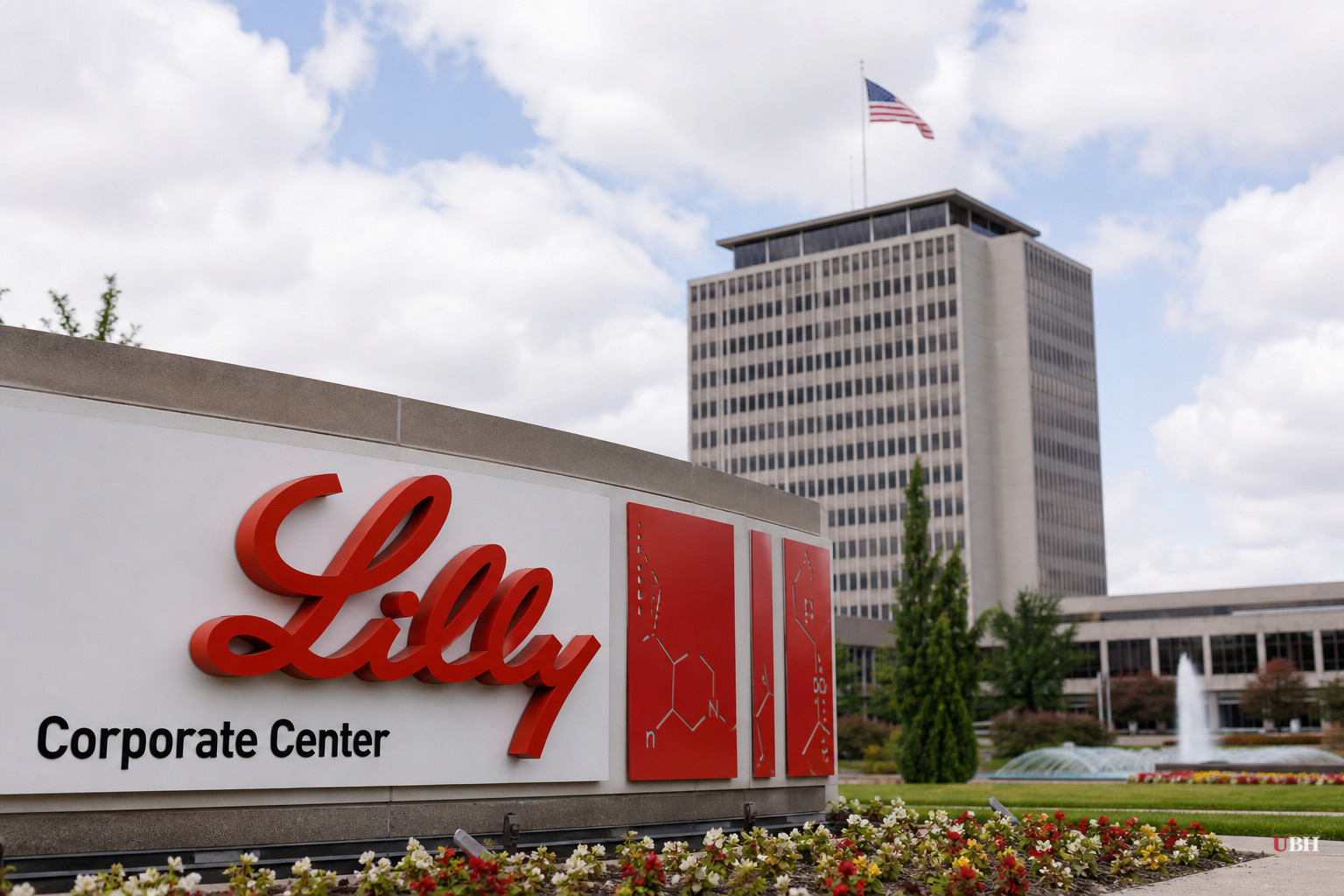
Eli Lilly announced Thursday that it will file for regulatory approval of retatrutide, its next-generation obesity drug, in the first quarter of 2027. That's a delay from the company's earlier plan to submit an application as soon as this year.
According to CNBC, Lilly told the outlet in a statement that it needs more time to gather and verify the manufacturing and quality-control data regulators require before it can seek approval.
On the clinical side, retatrutide just cleared two more late-stage trials. In one Phase 3 trial involving adults with obesity and Type 2 diabetes, a population that typically has a harder time losing weight, patients on the drug lost an average of up to 20.8% of their body weight, or nearly 50 pounds, at 80 weeks.
In a second trial, adults with severe obesity and established cardiovascular disease, some with diabetes and some without, lost up to an average of 22.6% of their weight, or 55.8 pounds, at 80 weeks. Lilly says the drug also meaningfully reduced certain cardiovascular risk factors in that group.
Those two studies bring the total to five late-stage trials with positive results for retatrutide, according to CNBC. Kenneth Custer, president of Lilly Cardiometabolic Health, said in a company release that Lilly believes it now has enough data to file for approval globally, covering obesity, knee osteoarthritis pain and obstructive sleep apnea as potential indications.
Side effects reported in the new trials lined up with what's already been seen in earlier retatrutide studies and across the broader GLP-1 drug class: diarrhea, nausea and constipation. Nothing new or alarming showed up in this round.
Why the Delay Matters for Lilly's Competitive Position
Retatrutide is a big deal for Lilly because it works differently than anything currently on the market. Dubbed the "triple G" drug, it targets three hormones, GLP-1, GIP and glucagon, instead of just one or two. Tirzepatide, the active ingredient in Lilly's existing Zepbound, only hits GLP-1 and GIP. Novo Nordisk's semaglutide, used in Wegovy, hits only GLP-1.
That triple mechanism appears to produce more potent appetite suppression and food satisfaction effects than existing treatments, according to CNBC. Lilly is positioning retatrutide as the next pillar of its obesity portfolio, following Zepbound and the recently launched pill Foundayo.
The stakes are enormous. TD Cowen analysts estimated in a January note that retatrutide alone could generate $3.8 billion in sales by 2030. The broader weight-loss and diabetes drug market could be worth roughly $100 billion by the 2030s, according to some analyst estimates cited by CNBC.
Lilly currently holds the larger share of that market, and retatrutide is central to its plan to keep it that way against Novo Nordisk. That rivalry has been getting more contentious lately. Just this week, Novo Nordisk filed suit against Lilly over Zepbound ad comparisons, alleging Lilly used outdated Wegovy data to make its product look better by comparison.
A one-year delay in a regulatory filing timeline is significant for a company racing to defend market share, but it's also not evidence of a failed drug. Manufacturing and quality-control documentation for injectable biologics is notoriously exacting, and regulators like the FDA have rejected or delayed applications over paperwork and plant-inspection issues even when clinical trial data looked strong.
Still, a company under commercial pressure has every incentive to describe delays in the most favorable light possible. Lilly's own statement to CNBC is the only account of why the timeline slipped, and there's no independent regulatory filing or FDA correspondence in the public record yet confirming the specifics of what manufacturing data is outstanding or why it wasn't ready sooner.
The bigger question now is what happens between now and the first quarter of 2027. Lilly still needs to complete its filing package, and any regulatory body, whether the FDA or international counterparts, will need months to review it after submission. That means retatrutide likely won't reach pharmacy shelves before late 2027 or 2028 at the earliest, even under a best-case review timeline, leaving Zepbound and Foundayo to carry Lilly's obesity-drug revenue in the interim.
Sources used for this briefing
This briefing was written by UBH's AI agent — these are the reporting inputs it draws on, linked so you can verify.


