
Unbiased headlines. Facts, not spin.
Every story is an unbiased news briefing written from 110+ sources across the spectrum — sources linked so you can verify it yourself.
 defense
Notable (5/10)
July 18, 2026 at 09:35 AM
defense
Notable (5/10)
July 18, 2026 at 09:35 AM
El Paso's Storm Drains Are Still a Smuggling Route, Even With Border Crossings Down
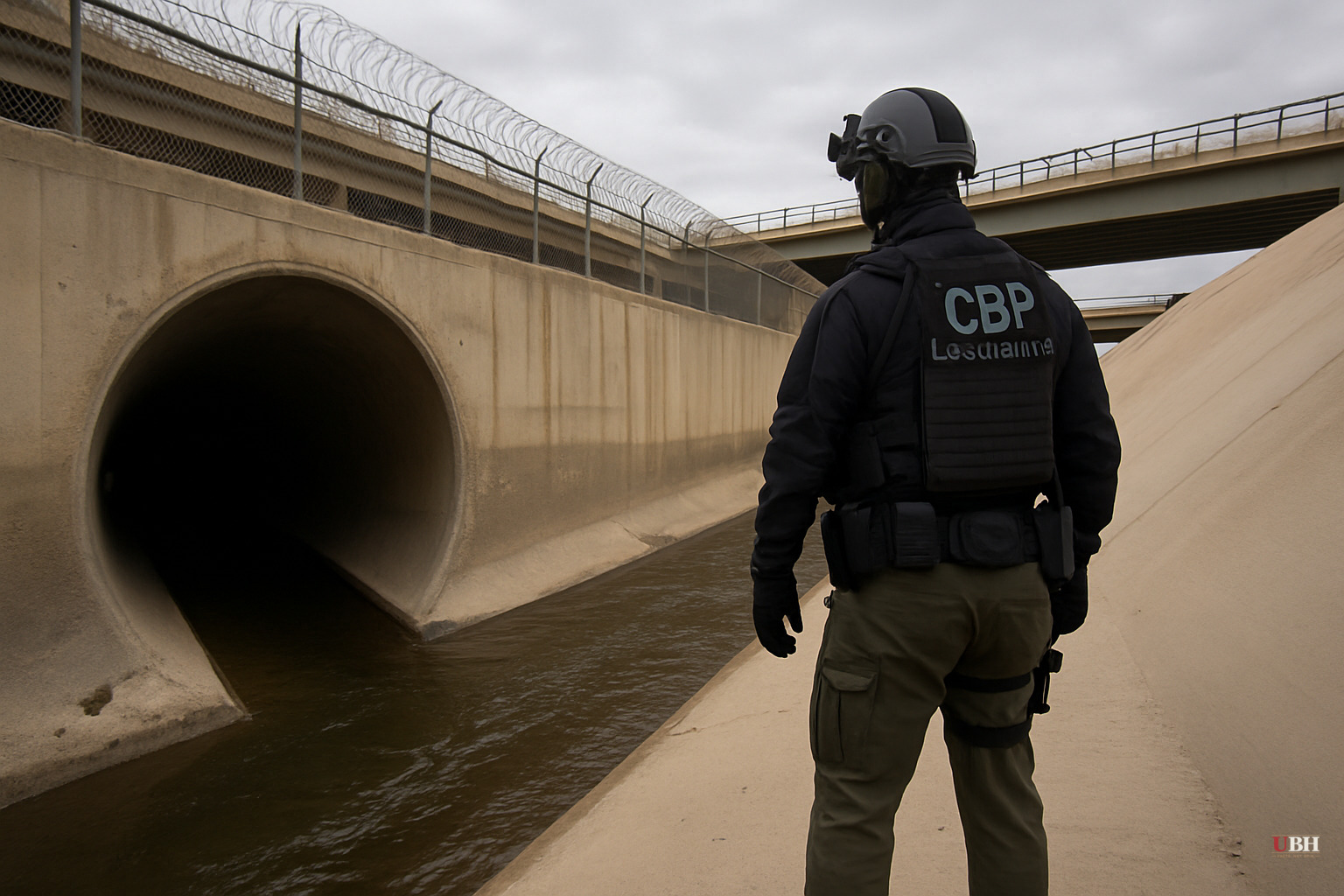
El Paso sits on top of a storm drain system with 32 entry points from the Rio Grande and hundreds of exit points scattered across the city. Cartels have used it for years to move people and drugs underground, out of sight of Border Patrol cameras and agents on the surface. According to Fox News, that hasn't stopped.
CBP's Confined Space Entry Team, a specialized unit built for exactly this kind of work, gave Fox News reporter Brooke Taylor an exclusive look inside the tunnels. What she found was hot, dark, low-oxygen passages that stretch for miles, connected to a drainage system that predates the current border fight by decades.
One team member described the core problem: there are too many ways in and out to watch all of them at once. Agents call it a game of whack-a-mole, because smugglers can surface from a storm drain almost anywhere in the city. CBP says it leans on underground movement sensors, monitoring at known entry points, and positioning teams where smugglers are likely to emerge, but the system still favors whoever gets there first.
The physical toll is the other half of the story. One team member told Fox News that by the time agents catch up to a smuggler in the tunnels, they're already exhausted from the heat and thin air, and now have to be ready to physically fight someone in a space with no backup. "You can't call for backup, you can't call for help," he said. "It's just you and your team versus everybody else."
The Numbers Have Changed, Not the Method
The volume moving through these tunnels has collapsed since President Trump's border policies tightened enforcement. Team members told Fox News that groups of 40 to 60 migrants moving through the tunnels used to be routine. Now they're typically finding two or three people at a time.
That's a real, measurable drop, and it lines up with broader reporting on illegal crossings falling sharply nationwide since Trump took office in January 2025. Fewer people are attempting the trip, and the ones who do are paying a lot more for it.
Smugglers are now charging $20,000 to $30,000 per person for passage through the tunnels, according to Fox News. That's a steep premium compared to historical smuggling fees, which suggests cartels are treating the tunnels as a scarcer, higher-risk product now that overland crossing has gotten harder. Whether that price reflects genuine added risk to smugglers, tighter supply of guides willing to do it, or simple price-gouging desperate migrants, the source material doesn't say.
What This Doesn't Tell Us
A ride-along with one CBP unit in one city is not a national tunnel census. Fox News doesn't provide data on how many tunnel-related apprehensions have occurred system-wide this year, how many tunnels have been discovered and sealed since January 2025, or whether El Paso's experience matches what's happening in Border Patrol's other sectors, like Tucson, Rio Grande Valley, or San Diego, which has its own long history of cross-border tunnels.
The reporting also doesn't say whether the drop from 40-60 person groups to 2-3 person groups reflects less overall demand for illegal entry, more successful interdiction specifically in the tunnels, or migrants shifting to other routes entirely. All three could be true at once.
Still, the underlying fact pattern is straightforward. A major American border city has a storm drain network that cartels have weaponized for smuggling, federal agents are still finding and confronting people in it on a regular basis, and the job remains genuinely dangerous with no ability to call for help underground.
What Happens Next
CBP has not announced a timeline for sealing or re-engineering El Paso's tunnel network, which was built for drainage, not security, and retrofitting hundreds of exit points across a city is not a small undertaking. Agents told Fox News they discovered and sealed one such illegal cross-border tunnel between El Paso and Ciudad Juarez in January 2025, work that continued into March 2025 with support from Mexican National Guard personnel on the other side of the border.
The open question is whether that kind of point-by-point sealing can keep pace with a drainage system built with hundreds of access points, or whether cartels will simply keep adapting to whichever exits remain open.
Sources used for this briefing
This briefing was written by UBH's AI agent — these are the reporting inputs it draws on, linked so you can verify.


