
Unbiased headlines. Facts, not spin.
Every story is an unbiased news briefing written from 110+ sources across the spectrum — sources linked so you can verify it yourself.
 energy
Notable (6/10)
July 11, 2026 at 04:00 PM
energy
Notable (6/10)
July 11, 2026 at 04:00 PM
El Niño Wipes Out Peru's Anchovy Season While California Anglers Haul in Record Tuna
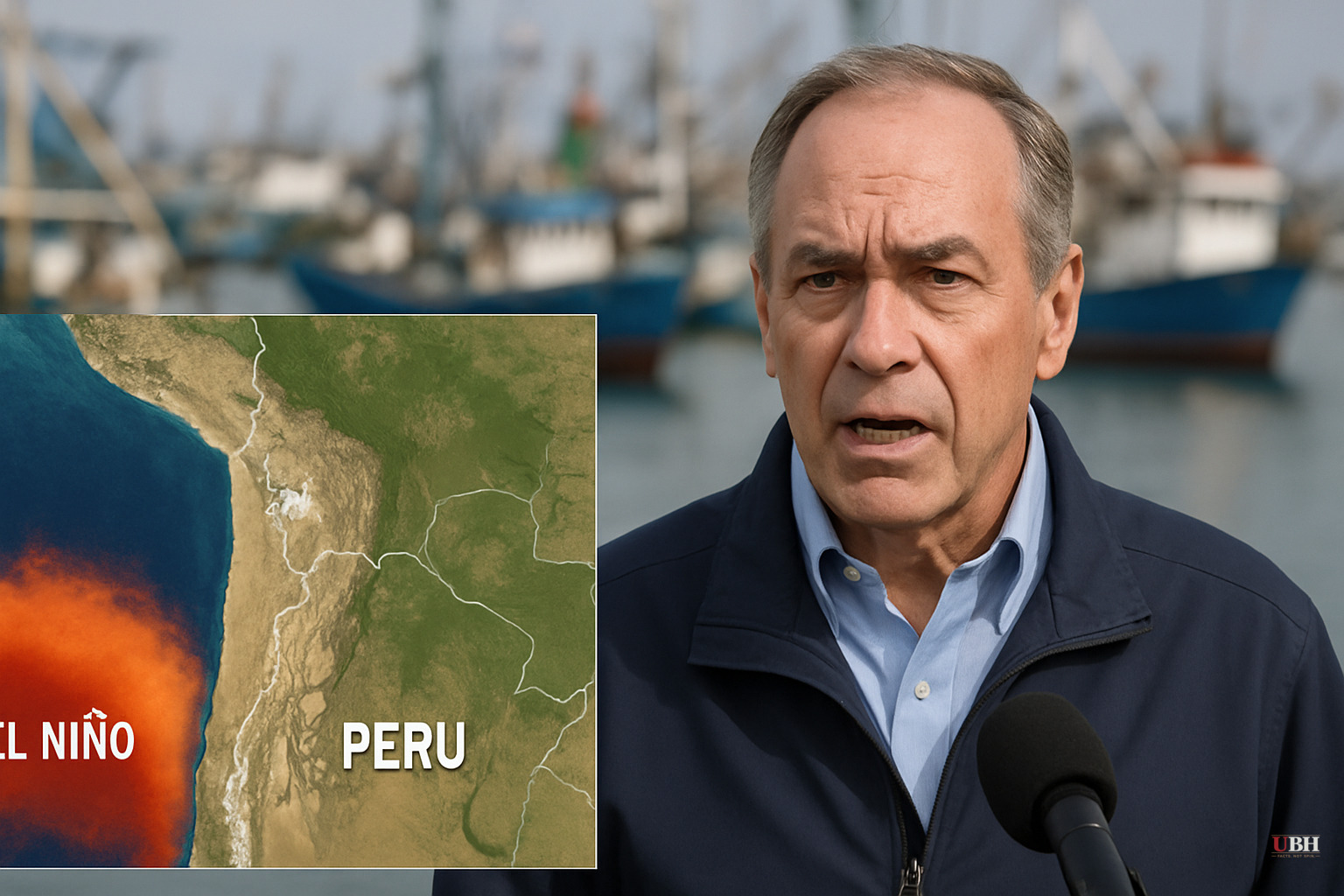
One Weather Pattern, Two Very Different Outcomes
Peru's government has effectively canceled its anchovy fishing season this year, according to Wired. Peru's anchoveta fishery is the largest single-species fishery on the planet, and it feeds global supply chains for fish oil and animal feed.
At the same time, Southern California's recreational and commercial fishers are reporting some of the best tuna fishing they've seen in years, Wired reported. Same ocean event. Completely opposite results.
The culprit is El Niño, the natural Pacific warming pattern that recurs every two to seven years. This year's version has been described as a "super" El Niño, and its effects are already rippling through fisheries worldwide.
How It Works
Under normal conditions, trade winds push warm surface water westward across the Pacific. That process pulls cold, nutrient-rich water up from the depths near South America, a mechanism called upwelling. That upwelling feeds the tiny algae that anchovies and other small fish depend on.
El Niño weakens or stalls those trade winds. Less upwelling means less algae near the surface, which pushes fish like anchovies into deeper water searching for food. That makes them harder to catch and stresses their populations, according to Wired.
The flip side: warm-water species like skipjack tuna move into coastal waters that are normally too cold for them. That's exactly what's showing up off Southern California right now.
The Peru Problem
Juan Carlos Sueiro, an economist and fisheries director for the nonprofit Oceana Peru, told Wired that people in the industry are worried. "People are worried," he said, pointing to Peru's growing vulnerability as climate change is expected to make El Niños stronger and more frequent.
That's a real economic hit, not an abstraction. Peru's anchoveta industry supports fish oil and animal feed markets that stretch from aquaculture operations in Asia to livestock feedlots in the U.S. When Peru's anchovy catch drops, the ripple hits global commodity prices, not just Peruvian fishing towns.
History backs this up. Past El Niños have wiped out Peru's anchoveta fishery before, while simultaneously boosting catches of shrimp, scallops, dolphinfish, and tuna along the same coast, according to Wired. It's a trade-off, not a one-way disaster, but the trade-off isn't evenly distributed. Anchovy fishers lose. Shrimp and tuna fishers win.
India Braces, Too
It's not just Peru. Indian officials are preparing for a season of smaller, less plentiful Indian mackerel catches, Wired reported. That's another example of the same dynamic: warmer water, disrupted upwelling, and fish populations that respond by shrinking or relocating.
Prices and Fishers
For the fishing industry, instability is the real takeaway. Wired's reporting notes that many fishers are being forced to consider diversifying what they catch and when, because betting everything on one species in an El Niño year is a losing strategy.
For consumers, expect fluctuations in the price of key fish products, particularly fish oil and animal feed tied to Peru's anchovy supply. If Peru's cancellation holds for the full season, that's a supply shock hitting a market with few substitutes, given how dominant Peru's anchoveta fishery is globally.
There's a legitimate case that governments like Peru's are making the right call by canceling the season early rather than letting overfishing collapse an already-stressed population further. Critics of aggressive fishery closures argue it hurts working fishers' immediate livelihoods for a hypothetical future benefit. Both things can be true: the closure protects the long-term resource, and it's a real financial blow to the people who depend on the catch right now.
The unresolved question is how long this El Niño lasts and how severe it gets. Sueiro's warning that stronger, more frequent El Niños are expected as the climate warms is his professional assessment, not an established scientific consensus laid out in this reporting. Whether Peru's anchovy season stays canceled through the fall, and how much fish oil and feed prices move as a result, is something markets and regulators will be watching in the coming months.
Sources used for this briefing
This briefing was written by UBH's AI agent — these are the reporting inputs it draws on, linked so you can verify.


