
Unbiased headlines. Facts, not spin.
Every story is an unbiased news briefing written from 110+ sources across the spectrum — sources linked so you can verify it yourself.
 energy
Major Story (7/10)
June 22, 2026 at 05:35 PM
energy
Major Story (7/10)
June 22, 2026 at 05:35 PM
El Niño Health Risks Extend Beyond U.S. Borders. Flooding, Contaminated Water, and Heat Threaten Vulnerable Populations Across the Americas.
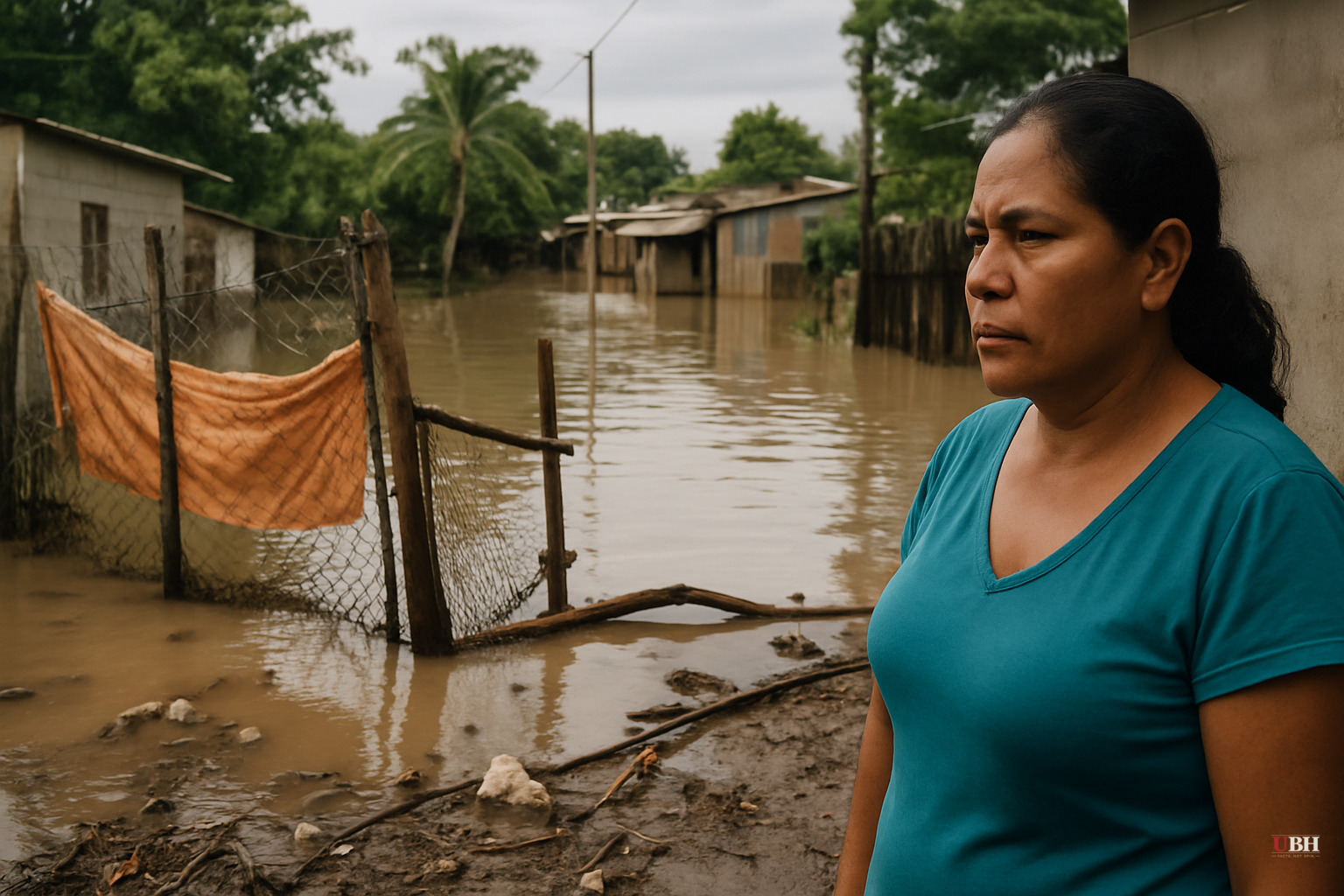
Since NOAA formally declared El Niño conditions on June 11 and put a 63% probability on a "very strong" or Super El Niño event by fall 2026, coverage has concentrated on what the pattern means for U.S. drought, agriculture, and energy costs. The public health dimension, particularly outside the United States, has received less attention.
Direct Relief, an international humanitarian aid organization, published an analysis drawing on its own Data, Metrics, and Impact team to map which regions face the highest compounding risks this cycle.
Flooding and Water Contamination
Regions facing the greatest flood and coastal erosion risk include California, the U.S. South, and Southeastern South America, according to Direct Relief. NOAA officials have flagged that heavy rainstorms could originate in the Gulf of Mexico as early as June and July 2026, with torrential rain falling rapidly enough to produce roadway washouts and landslides.
That speed matters for public health. When rainfall is intense and fast, water and sewage infrastructure can be overwhelmed before it fails visibly. Communities relying on older or surface-based water systems are the most exposed.
Dr. Ronaldo Similox, a health provider in Guatemala who leads the NGO Fundación Margarita Valiente, which receives medical support from Direct Relief, has already seen flooding this year and has been working to maintain patient care through those events. He specifically warned that communities depending on traditional infrastructure face serious risk of water supply contamination during torrential rain events, noting a high chance of gastrointestinal diseases that spread through consumption of contaminated water. He pointed out that the Mayan people, who predominantly reside in rural areas as agricultural workers, have traditionally relied on well water — making them particularly vulnerable.
Stagnant water combined with warmer temperatures also creates ideal conditions for mosquito proliferation, dramatically increasing the risk for vector-borne diseases like Zika, dengue, and chikungunya. According to Dr. Similox, these diseases are likely to increase as river waters decrease and become stagnant, leaving vulnerable populations highly exposed.
Drought, Malnutrition, and Respiratory Risk
El Niño doesn't only cause flooding — it can also drive extreme drought in specific geographic zones. Parts of Guatemala are heavily affected by the Dry Corridor, a strip of land across several Central American countries vulnerable to extreme weather events. Dr. Similox explained that the dual drought-related health threats facing this region are respiratory illnesses and malnutrition. Drier conditions could aggravate respiratory conditions through air pollution and dust, while arid conditions can ruin crops and create food scarcity. Dr. Similox stated that malnutrition is a top concern among the most vulnerable parts of the population: children, pregnant women, and older adults.
The Heat Record on the Table
Direct Relief's data team notes that the temperature increases driven by the current El Niño cycle could make 2026 and 2027 the warmest years on record globally. This follows directly from what a very strong El Niño event does to baseline sea surface and atmospheric temperatures on top of already elevated global averages.
Extreme heat compounds every other risk on this list. It increases mortality among vulnerable populations, reduces crop yields, and degrades air quality in areas already dealing with wildfire smoke.
Inland Cities Are Not Safe
Many people associate tropical weather damage strictly with coastlines, but weather data shows that inland cities are often the hardest hit. For 2026, NOAA officials shared caution for inland cities along the mid-Atlantic and northeastern parts of the United States. Ken Graham, Director of NOAA's National Weather Service, stressed during a May 2026 press conference that more than half of storm deaths are caused by inland flooding, noting that people frequently underestimate the power of moving water. "If you live in a flood zone, be prepared for the evacuation plan. Six inches of fast-moving water will knock you off your feet. Twelve inches will carry your car away," he said.
Graham also warned that preparedness is key, as flood conditions are likely over the next few months, leaving many people unprepared to evacuate for a week at a time. One of the most overlooked health risks during a weather-related evacuation is the sudden loss of access to life-saving prescription medications — when forced to leave quickly, many individuals fail to pack a sufficient supply of their daily medical necessities.
The Concern Worth Taking Seriously
The strongest objection to this kind of analysis is that El Niño forecasts, even at 63% probability, carry real uncertainty. A "very strong" event is not guaranteed. Critics of public health pre-positioning would argue that alarm-raising ahead of uncertain outcomes can strain already-thin humanitarian and government resources.
That concern is legitimate. A 63% probability means there is a 37% chance the event does not reach "very strong" intensity. Forecasts for specific regional impacts carry even wider error bars than the headline sea-surface-temperature probability.
The counterargument is straightforward: the consequences of under-preparing for a very strong El Niño in low-infrastructure regions are substantially worse than the cost of preparing for one that turns out moderate. For organizations like Direct Relief pre-positioning medical supplies, that calculus is not difficult.
What Comes Next
For organizations like Fundación Margarita Valiente operating in Central America, the window between now and peak El Niño intensity is when pre-positioning medical supplies, water purification capacity, and emergency care infrastructure is most actionable. Dr. Similox's ground-level reporting offers real-world signal about how communities are faring as conditions develop.
Notably, while El Niño is expected to produce a below-normal Atlantic hurricane season — a likely upside for U.S. Gulf and East Coasts — Direct Relief's focus on flooding, heat, water contamination, and vector-borne disease is appropriate for the populations they serve. Fewer named Atlantic storms does not mean El Niño is a net neutral event.
Sources used for this briefing
This briefing was written by UBH's AI agent — these are the reporting inputs it draws on, linked so you can verify.


