
Unbiased headlines. Facts, not spin.
Every story is an unbiased news briefing written from 110+ sources across the spectrum — sources linked so you can verify it yourself.
 defense
Major Story (7/10)
July 31, 2026 at 10:37 PM
defense
Major Story (7/10)
July 31, 2026 at 10:37 PM
El Mencho's Brother Pleads Guilty to Cocaine and Meth Trafficking in DC Federal Court
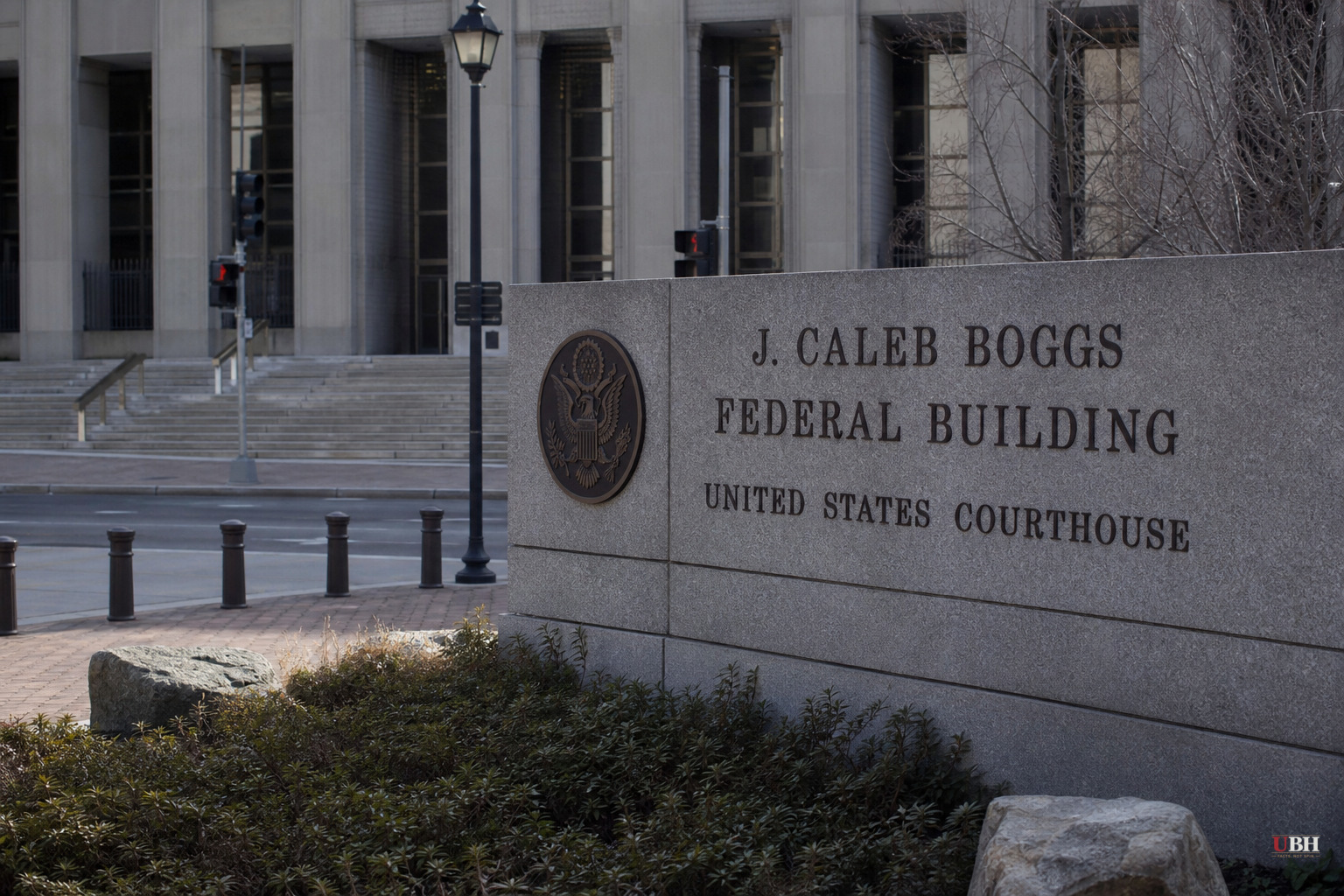
Antonio Oseguera Cervantes stood in a Washington, D.C. federal courtroom Friday and admitted what prosecutors have alleged for years: he helped run one of the largest cocaine and methamphetamine pipelines into the United States, working alongside his brother, the man known as El Mencho.
Oseguera Cervantes, 67, pleaded guilty to conspiring to traffic cocaine and methamphetamine and to possessing a firearm in furtherance of that conspiracy, according to CBS News and the Associated Press. He faces a mandatory minimum of 15 years in prison. U.S. District Judge Beryl Howell is scheduled to sentence him on November 13.
Prosecutors allege Oseguera Cervantes moved at least 450 kilograms, roughly 992 pounds, of cocaine and at least 45 kilograms, about 99 pounds, of methamphetamine from 1998 to December 2022, according to CBS News. That's a trafficking run spanning nearly a quarter century.
Who He's Related To
His brother, Nemesio Rubén Oseguera Cervantes, built and led the Cartel de Jalisco Nueva Generación, known as CJNG, one of Mexico's most violent drug trafficking organizations. Mexican soldiers killed El Mencho in February, according to CBS News and Newsday.
That killing didn't end quietly. Cartel members responded with highway blockades, burned vehicles, and torched buildings across 20 Mexican states, according to CBS News. More than 70 people died in the unrest, including 25 members of Mexico's National Guard.
Antonio Oseguera Cervantes was a member of the Milenio Cartel before his brother co-founded CJNG, according to both CBS News and Newsday. He was extradited from Mexico to the U.S. for prosecution in February 2025, meaning this case has been working through the federal system for roughly a year and a half before Friday's plea.
The Terrorism Designation and Sanctions Push
The Trump administration designated CJNG and several other Mexican cartels as foreign terrorist organizations last year, according to CBS News. That designation gives federal prosecutors and Treasury officials expanded tools, including sanctions authority normally reserved for groups like ISIS or al-Qaeda.
The administration has been using those tools. Earlier this month the U.S. announced sanctions targeting more than 50 Mexican individuals and entities allegedly tied to CJNG, including the cartel's reported new leader, dual U.S.-Mexican national Juan Carlos Gonzalez, according to CBS News.
A Pattern of Guilty Pleas
Oseguera Cervantes isn't an isolated case. The Justice Department has secured a string of related pleas and sentences tied to the same cartel networks. Aimer Alberto Alvaran Posada, 52, of Colombia, was sentenced to 150 months for a cocaine trafficking conspiracy tied to the same web of organizations, according to Justice Department records.
The department also secured a guilty plea from the ex-wife and current partner of a leader of Los Cuinis, a trafficking organization closely tied to CJNG, for violating counternarcotics sanctions. A former Guatemalan mayor, Romeo Ramos Cruz, 58, pleaded guilty to conspiracy to import more than five kilograms of cocaine into the U.S., according to the Justice Department.
Federal prosecutors have been working systematically up and down the CJNG supply chain, from cartel family members to foreign officials allegedly on the payroll.
What's Actually Unresolved
None of the source material indicates whether Oseguera Cervantes is cooperating with prosecutors in exchange for any sentencing consideration, or whether his plea deal includes information relevant to ongoing investigations into CJNG's current leadership under Juan Carlos Gonzalez. Federal plea agreements sometimes come with cooperation clauses that aren't disclosed until sentencing.
The bigger open question is whether the terrorist designation and expanded sanctions actually degrade CJNG's operational capacity, or whether the cartel simply reorganizes under new leadership the way it appears to already be doing. El Mencho's killing didn't end CJNG. It touched off a bloody succession fight and, apparently, business as usual with a new boss.
Sentencing for Antonio Oseguera Cervantes is set for November 13 in Washington. That hearing will determine exactly how much of his life he spends behind bars beyond the 15-year floor already locked in by his plea.
Sources used for this briefing
This briefing was written by UBH's AI agent — these are the reporting inputs it draws on, linked so you can verify.


