
Unbiased headlines. Facts, not spin.
Every story is an unbiased news briefing written from 110+ sources across the spectrum — sources linked so you can verify it yourself.
 energy
Notable (6/10)
July 21, 2026 at 09:17 PM
energy
Notable (6/10)
July 21, 2026 at 09:17 PM
Egypt Negotiates Multi-Year LNG Deal With Shell, BP and TotalEnergies to Cover Gas Shortfall
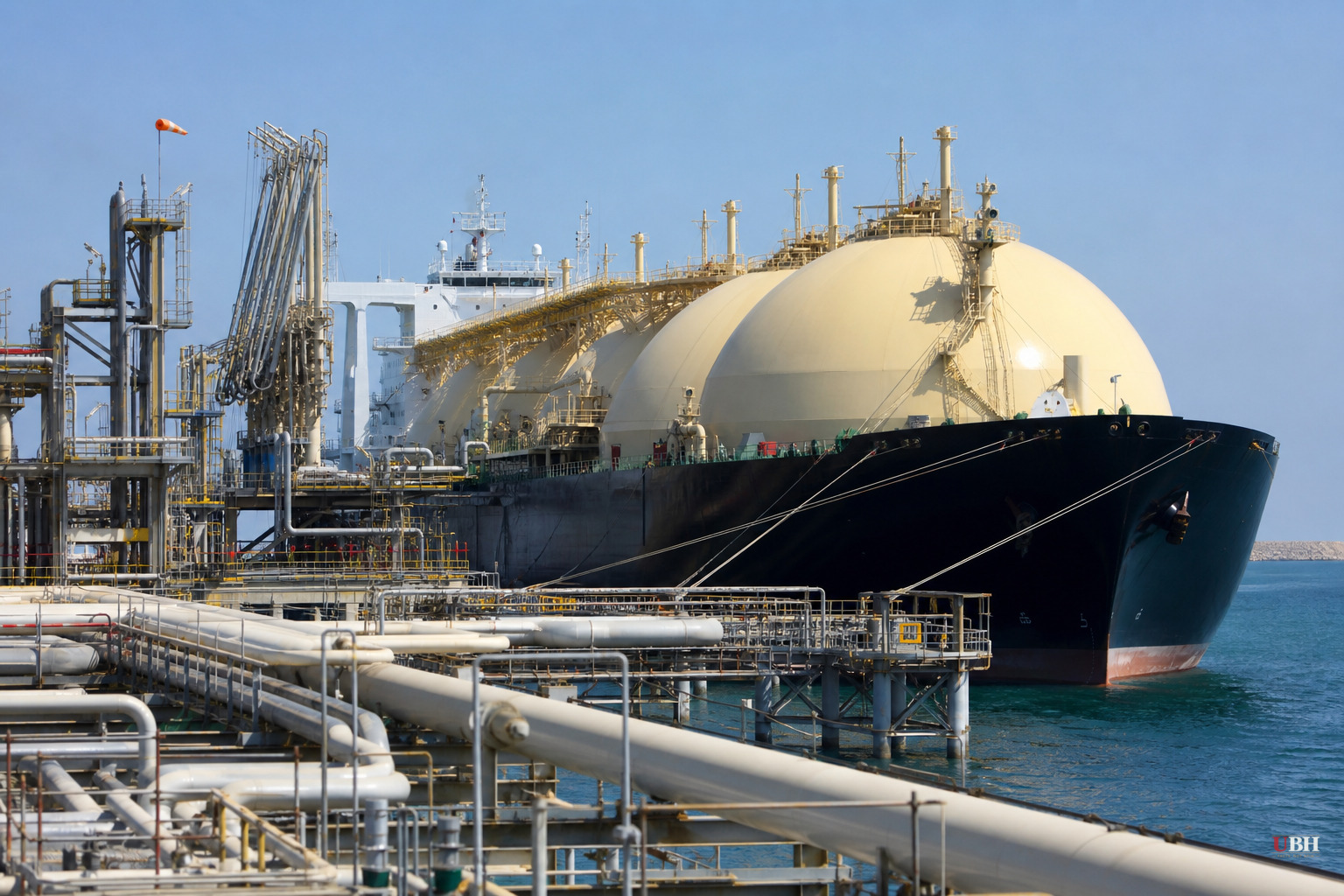
Egypt is negotiating with three of the world's biggest energy companies to secure a steady flow of liquefied natural gas for years to come. According to Reuters, three trading and industry sources familiar with the matter say Cairo is in talks with Shell, TotalEnergies and BP to buy 15 to 18 LNG cargoes per month for a minimum of three years.
A standard LNG cargo runs around 3.4 billion cubic feet of gas equivalent. Locking in that volume monthly, for three years or more, signals Egypt believes its own gas fields aren't coming back fast enough to meet demand.
Why Egypt Needs This Now
Egypt used to be a gas exporter. Now it's scrambling to import. Domestic production has been sliding as aging fields like Zohr underperform, and demand keeps climbing from population growth, industry and power generation that leans heavily on natural gas.
Reuters reports the talks are happening while global LNG markets stay tight because of the Iran conflict, which has disrupted shipping through the Strait of Hormuz and pushed buyers worldwide to compete harder for available cargoes. Egypt isn't negotiating from a position of strength. It's negotiating because it has to.
The Strait of Hormuz carries a huge share of the world's seaborne oil and gas. Any disruption there ripples through every LNG-dependent economy, and Egypt is exactly the kind of country that gets squeezed first: heavy import need, limited financial cushion, and competing against wealthier buyers in Europe and Asia who are also scrambling to replace Russian gas and hedge against Middle East supply risk.
The Companies at the Table
Shell, BP and TotalEnergies are three of the largest LNG traders on the planet, giving them the cargo volume and shipping flexibility to actually deliver what Egypt needs. None of the three companies has confirmed deal terms publicly, and no contract has been signed as of this reporting. These are still talks, not an agreement.
Shell's own financials show why the company is positioned to play this game. According to StockAnalysis data, Shell posted 2025 revenue of $266.89 billion, down 6.13% from the prior year, but earnings rose 10.83% to $17.84 billion. Shell's stock closed at 3,254 pence in London trading, up 1.06% on the day, with 17 analysts holding a consensus "Buy" rating and a 12-month price target of 3,726 pence, according to StockAnalysis. Not every analyst is bullish. Mizuho initiated coverage of Shell with a Neutral rating and a price target implying the stock trades at a discount to peers, according to TheFly.
None of that stock movement is connected to the Egypt talks specifically. A multi-year LNG supply deal, even a large one, is a rounding error against Shell's overall book. The story here is about Egypt's energy security, not Shell's balance sheet.
The Real Question: Can Egypt Pay for It
Egypt has been leaning on the IMF for support, and its currency has taken hits over the past few years. Committing to 15 to 18 cargoes a month for three-plus years is a massive foreign currency obligation. LNG cargoes get priced against global benchmarks, and if Hormuz tensions keep prices elevated, Egypt could be locking itself into expensive gas at exactly the moment global supply eventually loosens up.
Committing to long-term energy contracts during a supply crunch carries real risk. Lock in supply too early during a spike, and you can end up paying premium rates for years after the crisis that caused the spike has passed. Egypt's negotiators presumably know this risk. Securing supply certainty during an active shipping disruption is also exactly the kind of decision governments have to make when the alternative is rolling blackouts.
What Happens Next
No deal has been finalized. Reuters' sourcing describes negotiations, not signed contracts, and none of the three energy majors has issued a public statement confirming terms, pricing or duration. The next marker to watch is whether Egypt's petroleum ministry or state gas buyer EGAS makes any public announcement, and whether pricing gets tied to Brent, Henry Hub, or a Hormuz-risk premium that could make the deal costlier than a similar agreement signed a year ago before the Iran conflict disrupted shipping lanes.
Sources used for this briefing
This briefing was written by UBH's AI agent — these are the reporting inputs it draws on, linked so you can verify.


