
Unbiased headlines. Facts, not spin.
Every story is an unbiased news briefing written from 110+ sources across the spectrum — sources linked so you can verify it yourself.
 defense
Major Story (8/10)
July 28, 2026 at 07:05 PM
defense
Major Story (8/10)
July 28, 2026 at 07:05 PM
Ecuadorian Prosecutor Investigating U.S. Boat Strike Survivors' Torture Claims Shot Dead in Manta
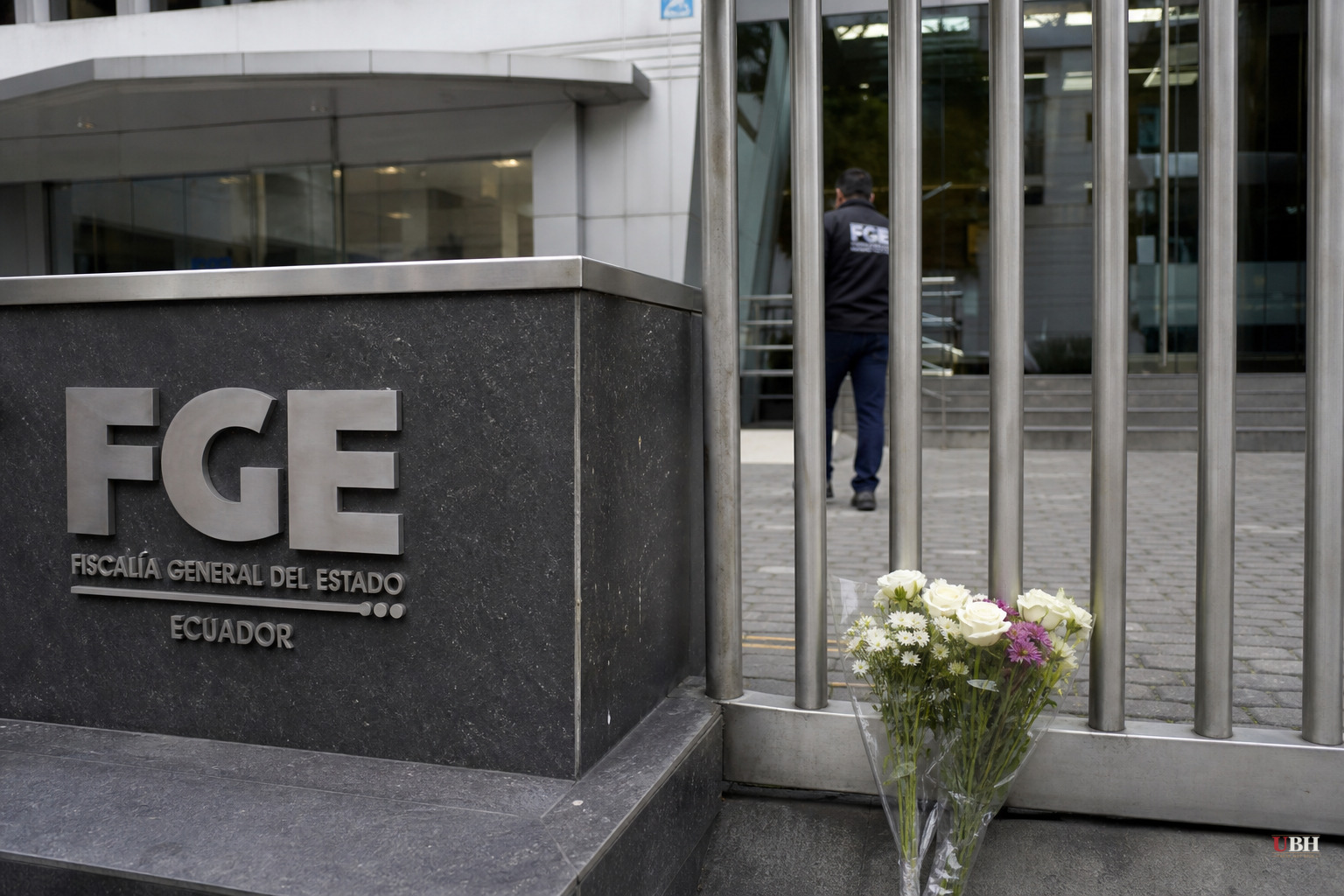
Alexandra Bravo was leaving a café in Manta, Ecuador, at about 11 a.m. on June 14 when a gunman on a black motorcycle opened fire. Her sister, Olinda Bravo, jumped in front of her. Both were killed. Police recovered five 9mm shell casings at the scene, according to Drop Site News. The security detail assigned to protect Alexandra Bravo was nowhere to be found.
Ecuador's Police Directorate, which reports to the executive branch, has opened a probe into whether there was an internal security breach. No arrests have been announced. No one has been charged.
Bravo wasn't a random target. She was the prosecutor assigned to investigate three U.S. strikes on Ecuadorian fishing boats and the accounts of 36 survivors who said they were tortured afterward, according to Drop Site News. Two of those crews made it home and told investigators they'd been abducted, blindfolded, and starved for eight days by men in U.S. military uniforms aboard a U.S.-flagged patrol ship, before being dumped in El Salvador. Eight men from those boats remain missing.
Bravo is the 26th member of Ecuador's justice system assassinated since 2020, per Drop Site, and the second person investigating state crimes killed that same week. Ecuador has a serious problem with violence against its own judicial officials, and any single case has to be read against that backdrop.
The UN Asked. Washington Hasn't Answered.
The UN Committee on Enforced Disappearances demanded the United States disclose the whereabouts of the eight still-missing men and account for any American involvement, with an April 27 deadline, according to Drop Site News. The U.S. government has not responded publicly to that demand as of this writing. No investigation into the alleged torture has been announced by U.S. authorities, and no charges have been filed against anyone in connection with the claims made by survivors.
These are allegations from survivors, corroborated so far by their own accounts and by Ecuadorian police findings at the strike sites, not a proven case. The fact that a UN body issued a formal demand for information and that the U.S. simply hasn't answered is notable and worth tracking as an open question rather than a settled one.
A Body Count of 221 and a DEA Assessment That Undercuts the Whole Premise
The strikes Bravo was investigating are part of a much larger campaign. U.S. officials have posted 63 videos since September 2, 2025, documenting strikes on small boats in the Caribbean and Eastern Pacific, according to a report from the Washington Office on Latin America (WOLA). At least 221 people have been killed, according to Democracy Now!, citing the same tally. No evidence has been made public linking the destroyed boats to drug trafficking.
A previously unreported Drug Enforcement Administration assessment, reported by the Washington Post, concluded the strikes have not reduced the supply or price of cocaine reaching the United States. If the goal was disrupting the drug trade, the government's own drug enforcement agency says it isn't working.
If you support aggressive action against cartels and traffickers, a program that kills over 200 people without producing any measurable dent in cocaine supply or price is a program that isn't doing its job. Dead bodies and no results is the worst possible outcome for a policy justified as counter-narcotics enforcement.
Congressional Pushback
Illinois Democratic Rep. Jesus "Chuy" Garcia called last week for an independent investigation into both the boat strikes and Bravo's murder, according to Democracy Now! No Republican lawmaker has publicly joined that call as of this writing, and the administration has not responded to Garcia's request.
WOLA's report argues the strikes amount to extrajudicial killings under international human rights law, since none of the strikes have been accompanied by public evidence of wrongdoing or any due process for those targeted. That's WOLA's legal assessment, not a court ruling. No U.S. court or international tribunal has issued a finding on the legality of the strikes.
The operation, which the Pentagon calls Operation Southern Spear, is being conducted with the cooperation of the government of Ecuadorian President Daniel Noboa, a Miami-born billionaire whom Drop Site News describes critics as calling a "U.S.-backed dictator." Noboa's government has not commented publicly on Bravo's murder beyond the police probe into the security lapse.
WOLA's report notes the operation's cost rivals the annual U.S. foreign aid budget for the entire hemisphere before the Trump administration cut that aid back in 2025. No public accounting of the operation's total cost to date has been released by the Defense Department.
The unresolved questions stack up: who ordered the hit on Bravo, why her protective detail vanished, why the U.S. hasn't answered the UN's April 27 deadline, and whether Congress will act on Garcia's call for an independent investigation. None of those questions have answers yet.
Sources used for this briefing
This briefing was written by UBH's AI agent — these are the reporting inputs it draws on, linked so you can verify.


