
Unbiased headlines. Facts, not spin.
Unbiased Headlines is an independently owned news organization. We bring you the facts, not opinions, written fresh from 110+ named sources. Sources linked so you can verify it yourself.
 economy
Major Story (8/10)
Event date: October 23, 2026 ·
Economists Say the Next Congress Can't Do Much About Prices as Diesel Tops $6.30 Ten Days Before Midterms
Since the Iran war pushed energy prices up this year, affordability has become the dominant issue of the 2026 midterms. Ten days before Election Day, Nov. 3, the newest argument is over what Congress can realistically do about it.
The answer from economists is: not much. "There is nothing the next Congress can do about the level of prices," Jason Furman, a top economic adviser in the Obama White House, told The Washington Post. "They will remain very high."
The numbers voters are feeling
Consumer prices are up 30 percent since the start of the pandemic, according to the Post's analysis. That is roughly three times the increase of the prior six years.
The Bureau of Labor Statistics said this week that consumer prices over the past year rose more than twice as much as the typical worker's earnings. Median earnings largely kept pace with inflation from 2022 through 2025. That is no longer true.
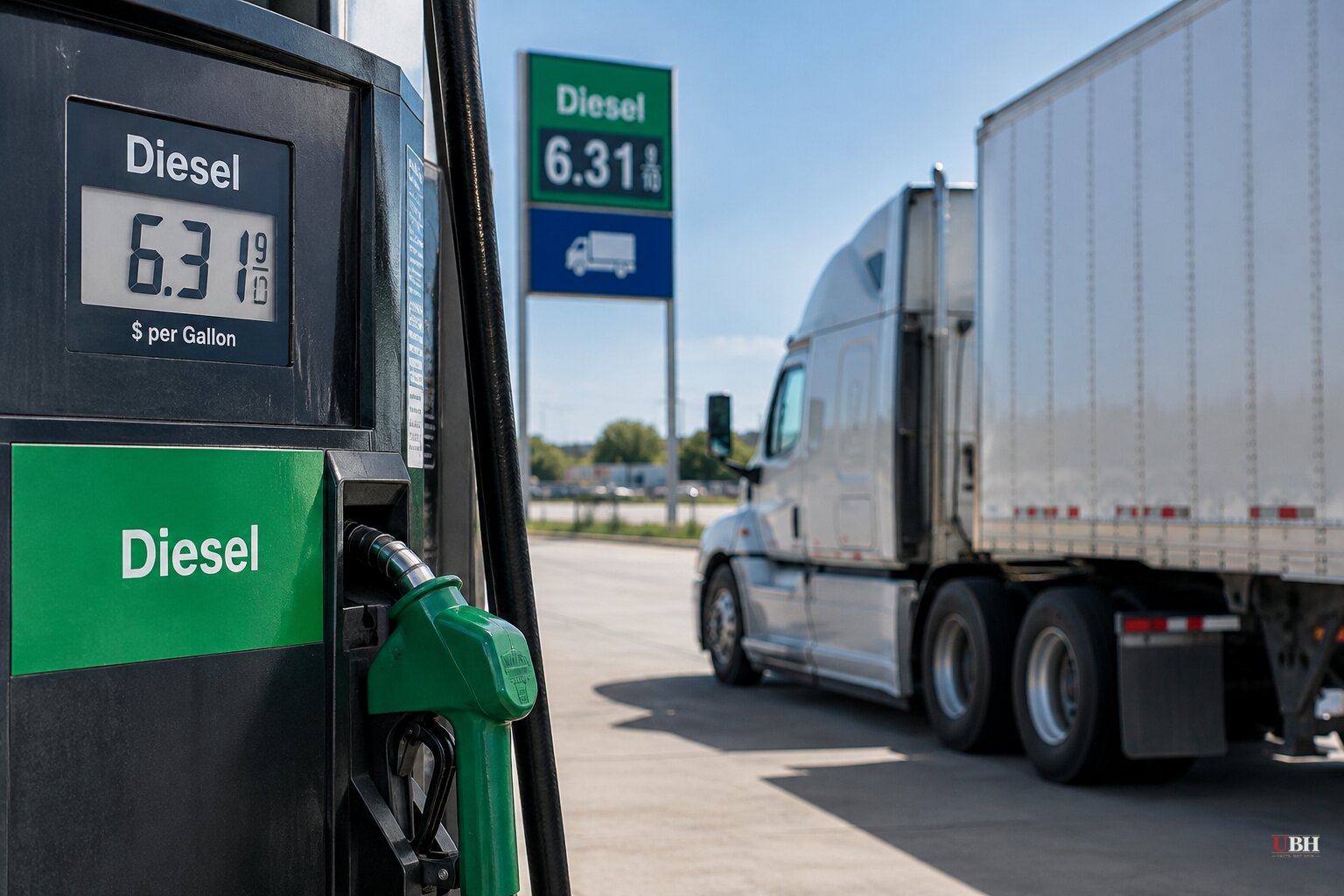
Fuel is the sharpest pain point. Diesel averages $6.31 a gallon nationally, up almost 75 percent in a year. Regular gasoline is above $4.29, according to AAA. On Oct. 14, AAA put regular at $4.33 and diesel at $6.29. A year earlier those figures were $3.07 and $3.65.
Brent crude is above $117 a barrel, up from roughly $70 on the eve of the war. Airline fares are up 22 percent over the past year.
Why Congress has limited tools
The Post's analysis names three main drivers of inflation: the war's effect on energy, spillover from the artificial intelligence boom, and President Trump's trade policies. Even with control of both chambers, Democrats could not end the war or the tariffs over Trump's opposition. The Post also notes they are unlikely to want to derail the AI boom.
The AI piece is easy to miss. Data center spending has driven up demand for chips, cooling systems, server racks and power gear. Software prices are up more than 28 percent over the past year and computer peripherals are up 10 percent.
Oil markets are not signaling relief. Oil fell back to the $70 range this summer after the U.S. and Iran reached a tentative settlement. That deal collapsed, and prices have climbed amid reports that Trump may resume strikes on Iran after the elections.
The International Energy Agency says global oil inventories are 509 million barrels below pre-war levels. Onshore reserves are at their lowest since at least 2016. Traders expect December 2027 Brent to trade near $90, up from about $70 at the end of June.
What the parties are promising
House Democratic Leader Hakeem Jeffries of New York says his party's "affordability agenda" will "drive down the high cost of living in every possible area." The Post's analysis says that promise runs into the same forces Congress cannot easily control.
Trump promised during his campaign to cut energy prices in half, the Post notes. Three-quarters of American adults disapprove of his handling of inflation, according to the figures in that analysis.
The president is pointing to targeted relief. At a Thursday rally in Sioux City, Iowa, he cited an Oct. 5 executive order directing the Treasury Department to consider temporarily deferring certain diesel excise tax payments. The order also directs the IRS to suspend certain penalties tied to dyed diesel on highways through Dec. 31, while the administration explores permanently forgiving the deferred taxes.
Trump also said he announced the Harvest Fuel Relief Program on Monday. In his words, it provides farmers $8 billion to offset harvest-season diesel costs, including an estimated $400 million for Iowa.
Fuel as a Senate swing issue
Pollster Robert Cahaly of the Trafalgar Group calls fuel and related costs "the only real factor that's having an impact." He said voters may agree with a Republican on issues but "want to punish somebody" over what they pay at the pump.
Trafalgar's September polling has Democrats leading Senate races in North Carolina, Texas and Ohio, all Republican-held. Democrats need a net gain of four seats for control. The firm also rates Republican seats in Alaska, Iowa, Kansas, Maine and South Carolina as very close.
A KFF/AP survey of more than 2,000 rural voters found 67 percent were very or somewhat concerned about paying for gasoline and transportation. That was higher than concern over health care, food, rent or utilities.
A Washington Post-Schar School poll of Texas's 34th and 35th districts found about half of voters in each say they are worse off financially since Trump returned to office. Cost of living was the top concern by a wide margin.
Election law scholar Rick Hasen, writing on the Election Law Blog, points to polls from Post-ABC-Ipsos, Fox News and CNBC showing voters also worried about corruption, including a rise among Republicans and independents.
What comes next
The new Congress will be sworn in on Jan. 3, 2027. The first test of any price promise will be the timing of the Iran decision. Oil prices have risen since the summer settlement collapsed, amid reports that Trump may resume strikes after Nov. 3.
Sources used for this briefing
6 links from 5 independent newsrooms (syndicated copies of the same report count once)
These are the sources it draws on, linked so you can verify.


