
Unbiased headlines. Facts, not spin.
Unbiased Headlines is an independently owned news organization. We bring you the facts, not opinions, written fresh from 110+ named sources. Sources linked so you can verify it yourself.
 economy
Major Story (7/10)
NYT Investigation: Trump Exempted 202 Facilities From Clean Air Rules, as Heritage Projects $1,465 Yearly Cost From Climate Suits
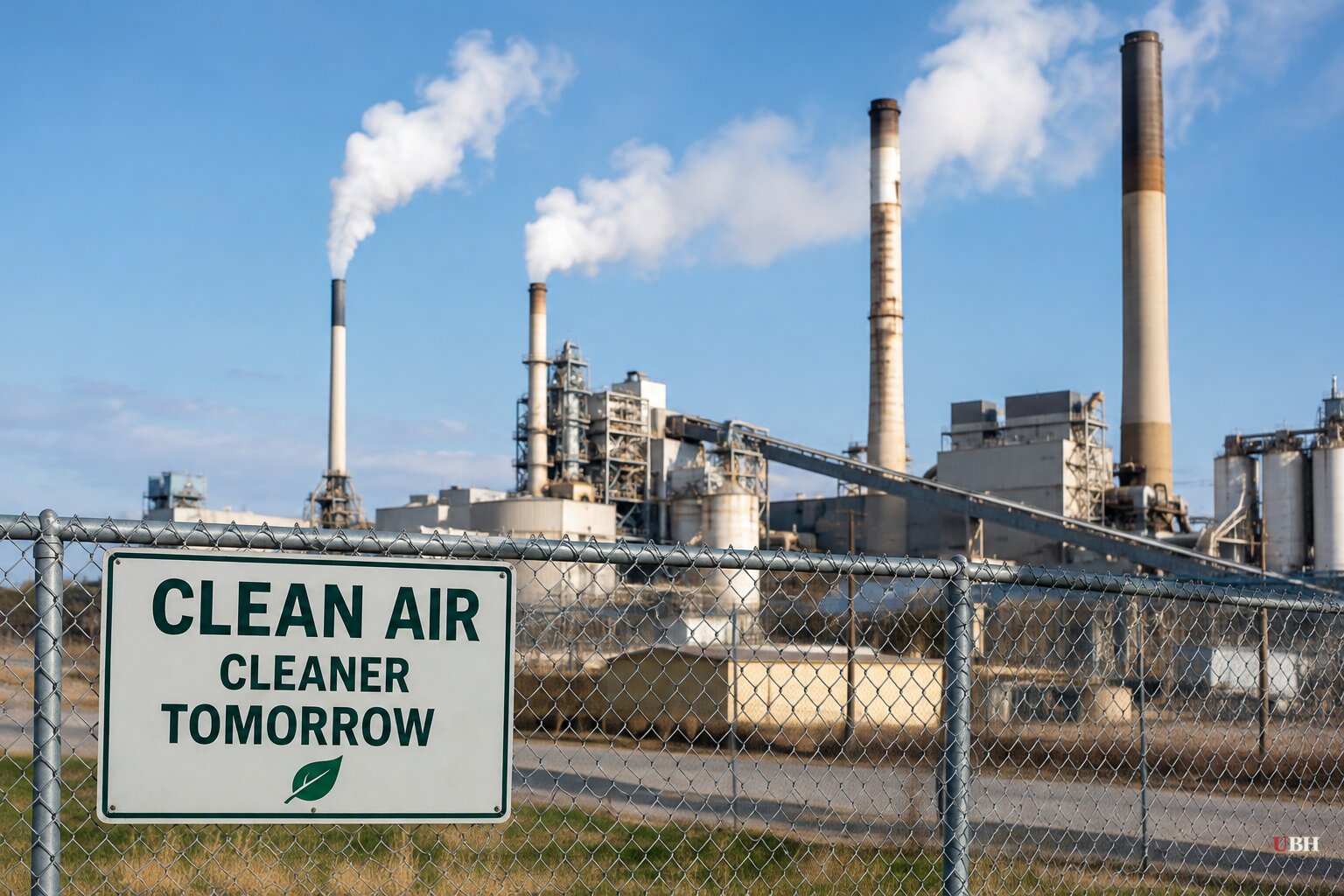
Two fights over who bears the cost of environmental policy are playing out at once: who gets relief from environmental rules, and who pays when the rules go the other way.
The exemptions
A New York Times investigation found that since taking office again, Trump has exempted 202 facilities in 39 states and Puerto Rico from clean-air regulations that were going into effect.
Some of the facilities are among the country's worst industrial polluters, including chemical manufacturers, copper smelters and coal-burning power plants. About 3.3 million people live within three miles of at least one affected facility, according to the Times.
The Times describes the exemptions as the biggest presidential intervention in enforcement of the Clean Air Act in the half-century since President Richard M. Nixon signed the bedrock environmental law. That characterization is the newspaper's own.
The chemical plants and other industrial facilities involved had been required to curb their toxic emissions. The Times investigation shows how they got out of it, and describes the exemptions as only one of the ways the Trump administration is dismantling a variety of federal environmental protections.
Conservatives who champion equal treatment under the law and government that does not pick winners have a reason to ask who made the list and on what criteria.
The other cost fight
On the opposite front, EJ Antoni, chief economist at the Heritage Foundation, and Daniel Turner, founder of Power The Future, released a report on what they call a nationwide campaign of climate "lawfare."
They estimate that if climate lawsuits and state climate "superfund" laws succeed, the average household's annual energy bill would rise by almost $1,500 a year, nearly $15,000 over a decade. That is a projection built on the assumption that the legal campaign wins. Their analysis puts the tab for all these lawsuits and legislative efforts at roughly $194 billion annually.
Antoni and Turner count over 30 lawsuits demanding that energy companies pay for climate impacts, with filings by 11 states, D.C. and dozens of cities. They identify three avenues: tort litigation, state superfund statutes and federal legislation.
New York and Vermont have already passed superfund laws. New York's is capped at $75 billion. Vermont's is uncapped. Antoni and Turner say a dozen other states have tried similar penalties. They also point to the Polluters Pay Climate Fund Act in Congress, which they say would collect $1 trillion over 10 years.
The Supreme Court is currently hearing one such case, Suncor Energy Inc. v. County Commissioners of Boulder County.
Who pays
Supporters of these laws insist they will not hit families' wallets. They say assessments target past production and that shareholders will bear the cost, according to Antoni and Turner.
The pair reject that. Businesses must pass costs to consumers, they argue, and firms will price in the risk of being punished retroactively for activity that was legal 30 years ago. They say that risk could keep long-payback power plants and energy projects from being built at all.
They add that even costs confined to shareholders would land on middle-class Americans, since energy stocks sit in pension funds and 401(k)s held by teachers, pipefitters, firefighters, electricians and police officers.
The $1,465 figure is the Heritage estimate, and the supporters' position is that the costs fall elsewhere.
What's next
Suncor is before the Supreme Court, and the outcome will bear on the municipal and state climate suits. On the exemptions, the open question is how the administration chose which of the 202 facilities received relief.
Both stories are about the same thing: government deciding who bears the cost of environmental policy.
Sources used for this briefing
3 links from 3 independent newsrooms (syndicated copies of the same report count once)
These are the sources it draws on, linked so you can verify.


