
Unbiased headlines. Facts, not spin.
Unbiased Headlines is an independently owned news organization. We bring you the facts, not opinions, written fresh from 110+ named sources. Sources linked so you can verify it yourself.
 health
Major Story (7/10)
ECDC: Resistant Klebsiella Bloodstream Infections Up 72% Since 2019 in EU/EEA, Against a Target of a 5% Cut
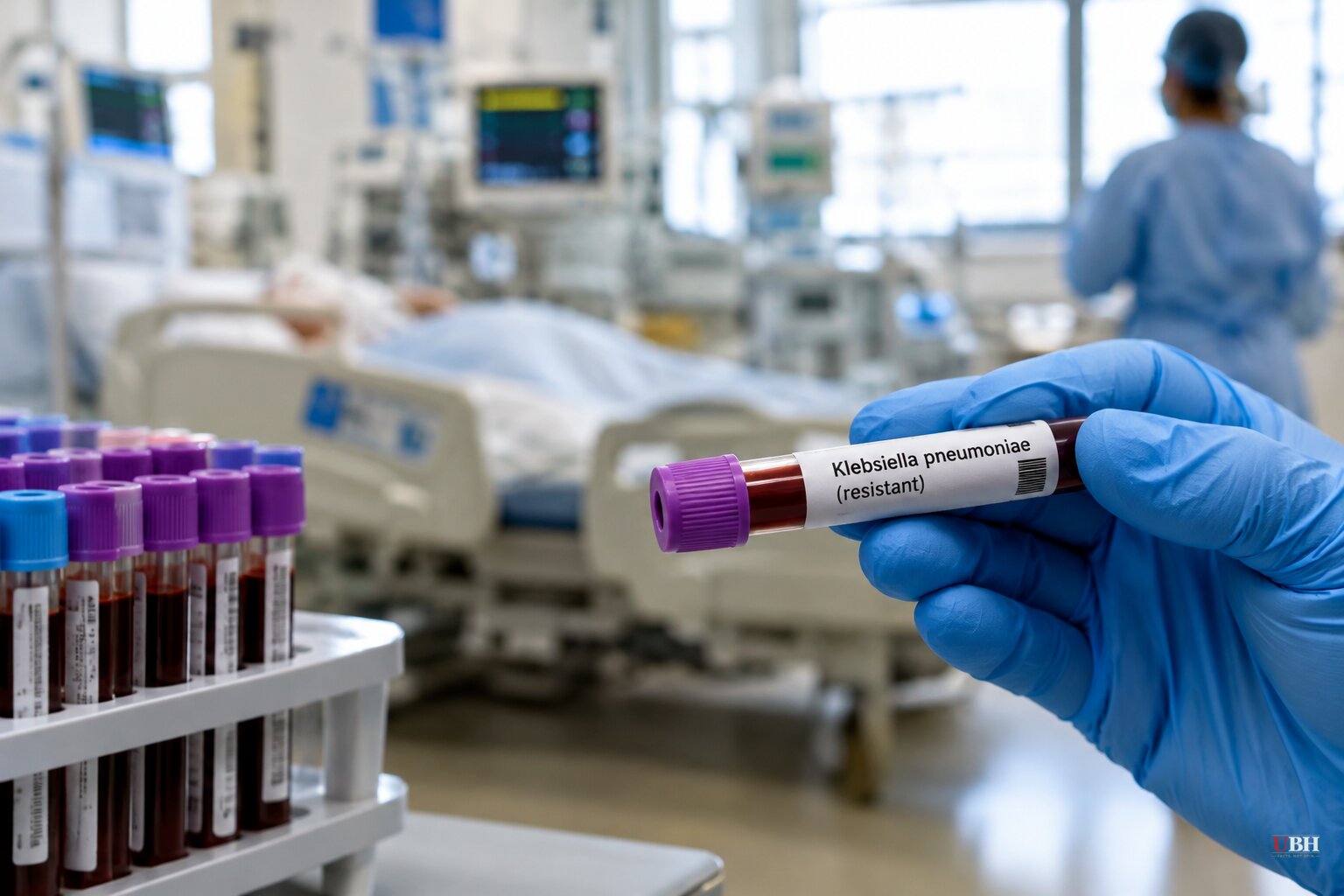
Six years after the 2019 baseline, Europe's drug-resistance numbers have moved the wrong way on the infections that matter most, according to the latest reports from the European Centre for Disease Prevention and Control (ECDC), released today, Nov. 18.
Bloodstream infections caused by treatment-resistant Klebsiella pneumoniae rose 72% between 2019 and 2025. The EU's target was a 5% reduction by 2030. In 2025 the incidence stood at 3.75 cases per 100,000 people.
Christian Giske, who heads the ECDC's antimicrobial resistance and healthcare-associated infections section, told a press briefing the Klebsiella findings were "the biggest concern" among all the superbug data gathered in Europe over the past year.
The numbers by bug
Klebsiella infections carry a mortality rate typically between 40% and 70%, according to the ECDC. Analyses show several strains are now resistant to nearly all antibiotics, including newer ones.
Resistant E. coli bloodstream infections grew an estimated 16.4% between 2019 and 2025. The target was a 10% cut from the 2019 baseline.
MRSA is the exception. Resistant MRSA bloodstream infections fell 19% over the same period, beating the EU's goal of a 15% reduction by 2030.
Overall, the ECDC says more than 35,000 people die each year from antimicrobial resistance in the EU, Iceland, Liechtenstein and Norway. The agency compares that toll to the combined deaths from influenza, tuberculosis and HIV.
Country gaps
The spread is uneven. Cyprus recorded a 716% surge in resistant K. pneumoniae infections, reaching 21.29 cases per 100,000 people last year. It also saw a 276% increase in resistant E. coli bloodstream infections.
Giske said many of the Klebsiella strains are related, which points to transmission between patients. He added that they are becoming harder to treat because of their resistance mechanisms.
Why MRSA playbook may not be enough
Hospital hygiene measures helped cut MRSA. Giske warned that the same approach may fall short against Klebsiella.
"Klebsiella is a gut bacterium, and it may have more powerful reservoirs in the body," he told reporters. "What works for MRSA might not be sufficient for Klebsiella."
The ECDC is calling for tighter infection prevention and control in hospitals: stronger hand hygiene, correct use of gloves and other protective equipment, and thorough environmental cleaning and disinfection. Missing even a small surface can let the bacteria spread. The agency also points to vaccination and genomic surveillance, which lets authorities track the spread of resistant bacteria faster.
The ECDC's report warns that without effective antibiotics, "we could return to the 'pre-antibiotic era'," making organ transplants, cancer chemotherapy and intensive care difficult, if not impossible, to perform safely.
England shows cutting prescriptions is not enough
Data from the UK Health Security Agency, published Nov. 12, points the same way. England recorded 21,129 cases of antibiotic-resistant bacteraemia in 2025, up 16.8% from 18,086 in 2019. That is more than 400 a week.
Antibiotic use over the same period fell 10.7%, from 17.8 to 15.9 defined daily doses per 1,000 inhabitants per day.
"We can't rely on reducing antibiotic use alone," said Shona Arora, interim chief medical adviser at UKHSA. She called for more work on infection prevention and new treatments.
The UKHSA data also show a gradient. People in England's most deprived areas had a 44.2% higher rate of resistant bacteraemia than those in the least deprived areas. Adults over 45 accounted for 89.3% of cases, and almost half were in people over 74.
Global picture and the money question
The World Health Organization warned on Nov. 16 that antimicrobial resistance could cause 39 million deaths over the next 25 years. WHO officials said progress on prevention, diagnosis and appropriate antibiotic use remains too slow to meet global targets.
In 2023, one in six laboratory-confirmed bacterial infections reported to the WHO was resistant to the antibiotics used to treat it. Jean-Pierre Nyemazi, acting director of the WHO's AMR department, said drug-resistant infections "have been taking people's lives for years without us noticing it."
The WHO's review of 183 countries found nearly nine in 10 now have a national action plan, up from about four in 10 in 2017. But WHO technical officer Pravasha Prakash said only 42 countries, fewer than one in five, have a plan that is financed, implemented and monitored.
The UK's plan runs from 2024 to 2029. Public health minister Diana Johnson urged people to take antibiotics only when advised by a healthcare professional and to finish the prescribed course.
What comes next
Few new drugs are available to treat resistant infections, a gap the ECDC lists among the main challenges. The EU's new pharmaceutical legislation is set to be signed into law in December. It includes a market exclusivity incentive for companies that develop new antibiotics, and a push for steady payment models for countries buying them.
Whether that package changes the Klebsiella trend before the 2030 deadline is unresolved. At the current pace, the EU is moving away from its 5% reduction target for Klebsiella, not toward it.
Sources used for this briefing
7 links from 6 independent newsrooms (syndicated copies of the same report count once)
These are the sources it draws on, linked so you can verify.


