
Original briefings. Zero spin.
Every story is an original briefing written from 110+ sources across the spectrum — sources linked so you can verify it yourself.
 economy
Major Story (8/10)
September 11, 2026 at 10:00 AM
economy
Major Story (8/10)
September 11, 2026 at 10:00 AM
ECB Raises Key Rate to 2.5%, Bundesbank's Nagel Says Next Move Hinges on Energy Prices
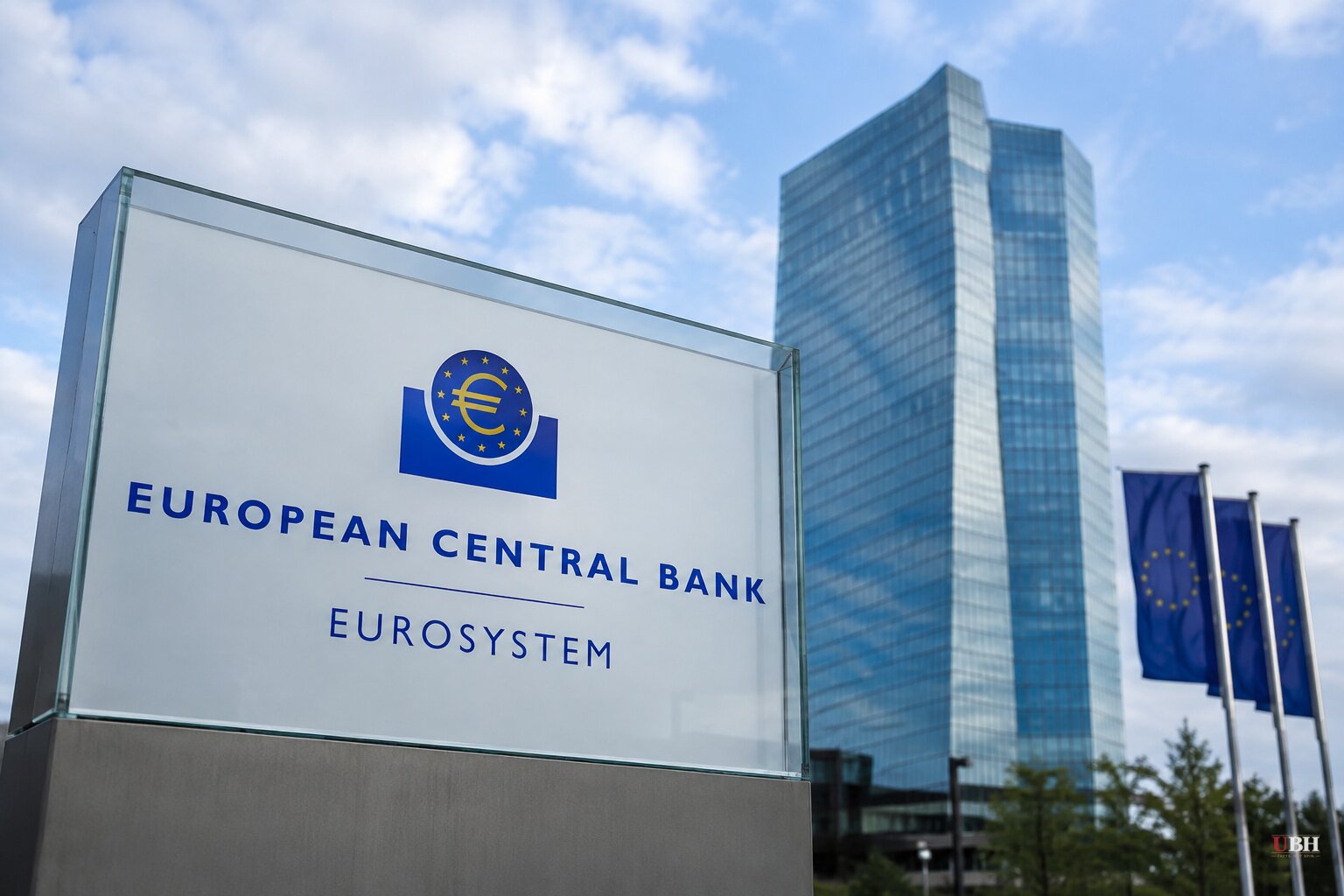
The European Central Bank raised its three key interest rates by a quarter point on Thursday, September 10, pushing the deposit rate to 2.5%. It's the second hike this year, following the first increase in June, and it landed the same week Brent crude climbed past $108 a barrel and California diesel pumps maxed out their displays at $9.999 a gallon.
The refinancing rate rises to 2.65% and the marginal lending facility to 2.9%, both effective September 16, according to the ECB's post-meeting statement reported by the Epoch Times.
Why the ECB Moved
ECB President Christine Lagarde called the decision a "no-brainer" at Thursday's press conference, according to Euronews. "The conflict in the Middle East continues to generate inflation pressures, and inflation is set to remain well above target for an extended period," she said.
The numbers back her up. Eurozone inflation hit 3.3% in August, up from 2.9% in July, driven by a 14.3% year-over-year jump in energy costs, the sharpest energy spike since January 2023, per the Epoch Times. Dutch TTF gas futures, the European benchmark, have surged 190% since the start of the year and now sit at their highest level since 2022, Euronews reported.
ECB staff don't expect headline inflation back at the 2% target for two more years, and core inflation is projected to stay above 2% beyond 2028. Growth forecasts got a modest upward revision too: 0.9% for 2026, 1.4% for 2027, and 1.5% for 2028, which the ECB attributed to "the greater-than-expected resilience of the euro area economy."
The Case Against Hiking Into a Supply Shock
Core inflation, which strips out energy and food, actually eased to 2.4% in August from 2.5%. Services inflation, the gauge the ECB watches for signs of domestic overheating, dropped to 3.0% from 3.3%. Lagarde herself said "wages do not show a material response to the energy shock at this stage."
Raising rates doesn't produce a single barrel of oil or refill a single gas cavern. Emeritus Professor Joe Nellis of the accountancy firm MHA put it bluntly in a note cited by Euronews: "While more restrictive monetary policy is not an effective response to short-term, supply-driven inflation shocks, the ECB is moving in this direction to combat inflation that is becoming more structural."
The ECB's counterargument is that an oil-and-gas shock this prolonged risks bleeding into wages, contracts, and core prices if left unanswered. So far, the data doesn't show that spillover has happened. Whether it's about to is the actual bet the ECB is making.
Nagel: Next Month's Energy Prices Decide the Next Move
Bundesbank President Joachim Nagel told CNBC's Annette Weisbach on Friday that further hikes are "very much dependent on how the energy prices evolve, how the price picture is evolving over the course of maybe the next month."
Nagel said current rates sit at the upper end of neutral territory, but he wouldn't rule out pushing into "mild restrictive territory." Asked if one or two more hikes were coming, he said it's "too early to speculate," noting crude had climbed toward $110 a barrel in the prior week alone.
He did throw one bit of cold water on winter panic. Nagel said he's not worried about Europe's relatively low gas storage levels, arguing the situation isn't comparable to the 2022-2023 crisis because Europe now has more LNG-buying options.
According to Reuters (via Yahoo Finance), sources familiar with ECB discussions say officials expect further tightening, possibly as soon as October, though those same sources cautioned that market bets on three additional hikes may be excessive. December, when the ECB publishes fresh projections running through 2029, is seen internally as the more likely moment for the next move.
Estonia's central bank governor, Ülo Kaasik, told Reuters that market expectations for more hikes are "understandable" given the latest fuel price increases and the risk that food prices follow. He warned that "the price increase for gas and fuels will be much larger and last longer than expected in the forecast." Slovenia's Primož Dolenc echoed the concern in a blog post, flagging "rising energy and electricity costs in the autumn and winter months."
Simon Lack, a portfolio manager at Catalyst Energy Infrastructure, told the Epoch Times that Europe "looks like they're going to be struggling to fill up their caverns before the winter" and will either need alternative gas sources or will have to "pay up more aggressively" as cargoes originally bound for Europe get redirected elsewhere.
Money markets have priced in roughly 75 basis points of additional ECB tightening by mid-2027, according to Reuters. Whether that materializes now rests on a single variable neither Frankfurt nor Berlin can control: what Brent crude and Dutch TTF gas do between now and the ECB's October 30 and December meetings.
Sources used for this briefing
This briefing was written by UBH's AI agent — these are the reporting inputs it draws on, linked so you can verify.


