
Unbiased headlines. Facts, not spin.
Unbiased Headlines is an independently owned news organization. We bring you the facts, not opinions, written fresh from 110+ named sources. Sources linked so you can verify it yourself.
 health
Low Interest (4/10)
health
Low Interest (4/10)
Drought Pushes Record Numbers of Bears Into Colorado, New Mexico and Utah Towns
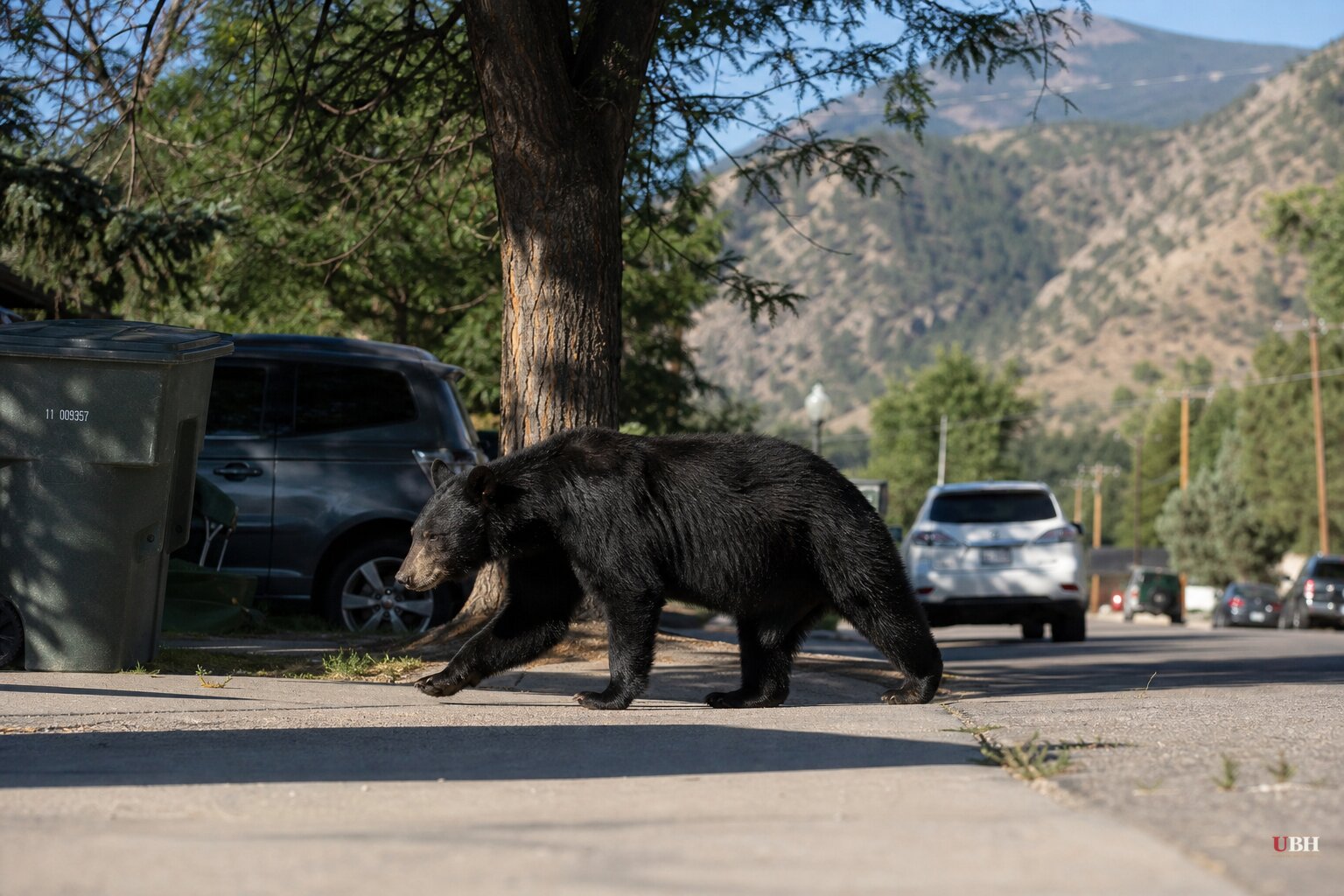
A black bear broke into a Toyota SUV in Gold Hill, Colorado, this summer and got trapped inside, honking the horn nonstop at 3 a.m. while it tore the interior apart trying to escape. Patrick Sullivan, who lives nearby, thought it was an angry neighbor until his brother-in-law found the real culprit and freed it, according to the Associated Press. The Toyota was totaled.
That's one story out of thousands this year. In Granby, Colorado, roofer Matt Errico came out of his bathroom to find two young bears standing in his hallway, according to Reuters. They bolted out the front door after a brief standoff. Bears from the same area have also been spotted wandering into a local vape shop.
The numbers behind the headlines
Colorado Parks and Wildlife has logged more than 7,000 bear sightings so far in 2026, already topping the state's previous full-year record set in 2019, according to Reuters. State officials report roughly twice the normal rate of bear sightings and conflicts with humans this year, according to the Associated Press. There have been at least six bear attacks in Colorado this year, Reuters reported.
Jonathan Livingston, a spokesman for Colorado Parks and Wildlife, told Reuters that 1.5% to 2% of bear sightings end with the animal euthanized, typically when a bear has attacked a person or broken into a home. Colorado is home to an estimated 17,000 to 20,000 black bears, according to state authorities cited by Reuters.
The cause is straightforward: the driest winter in memory wiped out the nuts, berries, grasses and plants that make up about 90% of a bear's diet, according to bear experts and state wildlife agencies cited by Reuters. Wildlife officer Travis Sauder, who covers southeastern Colorado, told the Associated Press that bears aren't behaving differently, they're just ranging farther because there's nothing to eat where they normally forage. Sauder said black bears have been spotted on the plains more than an hour east of Colorado Springs, territory with "zero natural food sources," no oaks or chokecherries, that bears would normally rely on.
New Mexico and Utah report similar patterns
New Mexico and Utah wildlife managers report record numbers of bears that have lost their normal wariness of people, according to the Associated Press. In Utah, authorities relocated four bears from Moab after they'd been raiding orchards. A bear was spotted near a school in Santa Fe, New Mexico, and another climbed a tree near a farmers market in Denver, according to Reuters. At Colorado State University in Fort Collins, wildlife officers had to trap and relocate a bear during fall move-in week.
Encounters can turn deadly for the bears themselves. One recently got stuck in a car in Colorado Springs and died from the heat. Wildlife officials have killed dozens more that posed a risk to people, according to the Associated Press.
Unsecured trash drives the problem
Unsecured trash is, according to Colorado Parks and Wildlife's own data cited by the Associated Press, the single biggest attractant behind this year's surge in bear activity. Not drought alone. Not development alone. Open garbage bins, pet food left in garages, bird feeders and grease traps under barbecue grills are the real culprits.
Wildlife officers' mantra is blunt: "a fed bear is a dead bear." Once a bear associates a neighborhood with an easy meal, it keeps coming back, and repeat offenders get put down. That's a matter of individual responsibility as much as it is a drought problem. Homeowners in Vail, Colorado Springs, and dozens of mountain towns have bear-proof trash ordinances on the books, and wildlife officers say compliance is the difference between a bear that gets tranquilized and relocated versus one that gets euthanized.
Black bear expert Jon Beckmann told Reuters the situation is "testing the bears in a way that they've never been tested before, and testing humans." Reuters also noted that Colorado's human population has more than doubled over the last 50 years, pushing homes deeper into bear habitat around cities like Colorado Springs and Vail, a genuine two-way encroachment problem that predates this year's drought.
Conservation groups like the Colorado Bear Coalition argue bears too often pay with their lives for human carelessness, according to Reuters. That criticism puts the accountability question back on residents rather than the animals or the agencies euthanizing them. With the West's aridification expected to continue, according to experts cited by Reuters, wildlife agencies face a harder question next year: whether warmer winters eventually stop some bears from hibernating altogether, and what that means for a state already setting sighting records.
Sources used for this briefing
7 links from 6 independent newsrooms (syndicated copies of the same report count once)
These are the sources it draws on, linked so you can verify.


